





What's Happening?
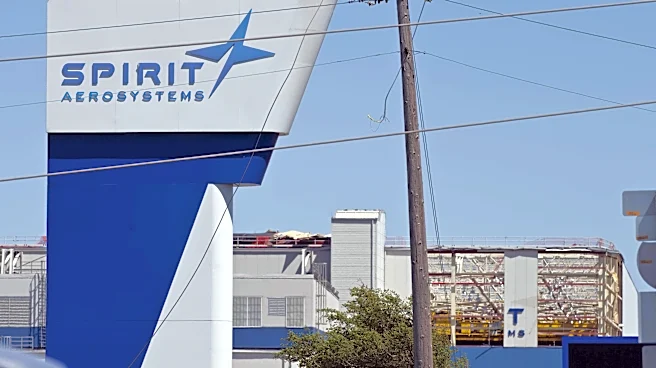
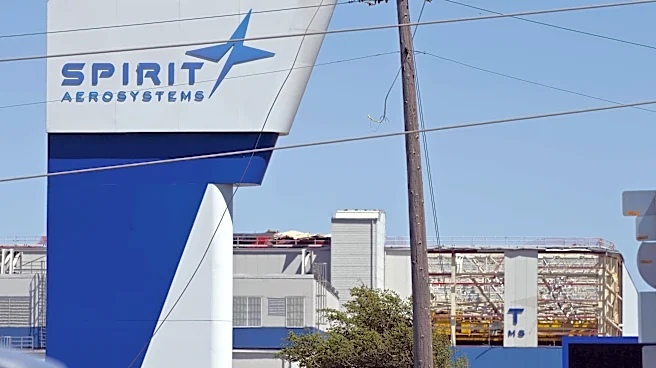
Spirit AeroSystems, a wholly owned subsidiary of The Boeing Company, is offering a $5,000 state of Kansas Aviation tax credit to eligible employees. This incentive is part of an effort to attract and retain talent within its Kansas operations. Spirit AeroSystems specializes
in manufacturing aerostructures for commercial airplanes, defense platforms, and business/regional jets, with core products including fuselages, integrated wings, pylons, and nacelles. The company, headquartered in Wichita, Kansas, plays a crucial role in the aerospace supply chain, particularly for Boeing Commercial Airplanes. The tax credit is available for up to five years for employees joining the Kansas team. This initiative comes as the company continues to focus on innovative composite and aluminum manufacturing solutions for its products.
Why It's Important?
This tax credit initiative by Spirit AeroSystems is significant for several reasons. Firstly, it aims to bolster the workforce in Kansas's aviation sector, a critical industry for the state's economy. By offering a substantial financial incentive, Spirit AeroSystems can attract skilled workers, which is vital for maintaining production levels and innovation in aerospace manufacturing. Secondly, it highlights the competitive landscape for talent within the U.S. aerospace industry, where companies are leveraging state-level incentives to gain an edge. For employees, the tax credit represents a tangible financial benefit, potentially increasing their net income and making employment at Spirit AeroSystems more attractive. This could also set a precedent for other aerospace companies in Kansas or other states to offer similar incentives to secure their talent pipelines.
What's Next?
The implementation of this tax credit is expected to enhance Spirit AeroSystems' recruitment efforts in Kansas, potentially leading to an increase in skilled labor within its facilities. The company will likely monitor the effectiveness of this incentive in attracting new hires and retaining existing employees. Other aerospace companies in the region may observe the impact of this program and consider similar strategies to compete for talent. For the state of Kansas, the success of this tax credit could reinforce its commitment to supporting the aviation industry through economic incentives. Future developments might include an expansion of such programs or the introduction of new benefits aimed at strengthening the aerospace workforce in the state.
Beyond the Headlines
Beyond the immediate financial benefits, this tax credit reflects a broader trend of states and industries collaborating to address workforce shortages and promote economic growth in key sectors. The aerospace industry, with its high-skill requirements and significant economic impact, often benefits from such targeted incentives. This initiative also underscores the strategic importance of localized manufacturing capabilities for national defense and commercial aviation. The long-term implications could include a more robust and stable aerospace workforce in Kansas, fostering further innovation and technological advancements. It also raises questions about the role of state governments in directly influencing labor markets within specific industries and the potential for such incentives to create regional hubs of specialized talent.