





What's Happening?
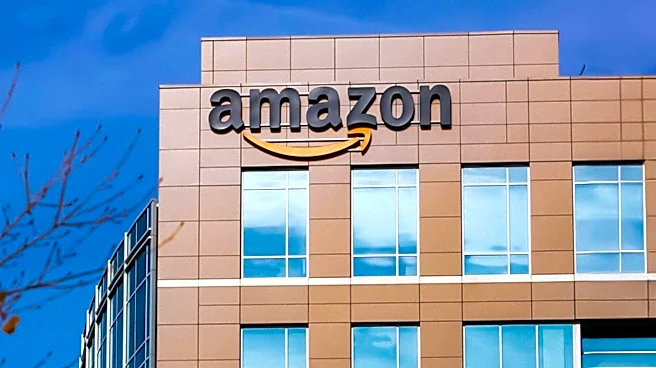
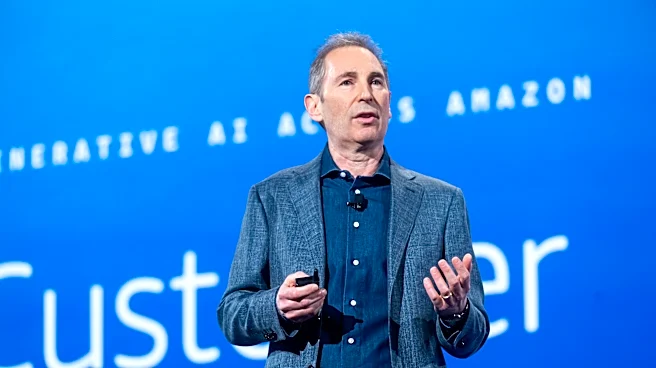
Amazon CEO Andy Jassy announced on October 29 that the company aims to establish two separate trillion-dollar revenue businesses within the next five to ten years. These ambitious targets are set for Amazon Web Services (AWS), its cloud computing division,
and its online retail operations, which encompass third-party seller services and physical stores. Jassy highlighted that AWS's sales increased by 39% last quarter, reaching $46 billion, with expectations of over 40% growth in both 2027 and 2028. The backlog for AWS, representing signed but unused contracts, has more than doubled to $578 billion. Furthermore, Amazon is rapidly expanding its AI chip infrastructure, installing a new AI chip approximately every 14 seconds, with customer demand quickly absorbing this increased capacity. The company's retail segment also shows significant growth, with units sold up nearly 15% year-to-date, building on over 30 billion items sold last year. Groceries and everyday essentials now constitute about half of all units sold and are growing three times faster than other retail categories, driving frequent customer engagement.
Why It's Important?
This projection by Amazon's CEO underscores a significant strategic shift and aggressive growth outlook for one of the largest U.S. corporations. Achieving two trillion-dollar revenue streams would solidify Amazon's dominance in both cloud computing and e-commerce, potentially reshaping competitive landscapes in these sectors. For the U.S. economy, this signifies continued investment in technology infrastructure, particularly in AI and cloud services, which are critical drivers of innovation and productivity. The rapid expansion of AWS and its AI chip deployment indicates a robust demand for advanced computing capabilities across various industries, benefiting technology providers and fostering digital transformation. In retail, Amazon's focus on groceries and everyday essentials, coupled with rapid delivery, intensifies competition for traditional brick-and-mortar retailers and other e-commerce platforms, potentially leading to further consolidation or innovation in the retail sector. The substantial capital expenditure required for this growth, however, could impact Amazon's free cash flow and debt levels, which some investors view with caution.
What's Next?
Amazon's immediate next steps involve continued heavy investment in AI and data centers, with Jassy indicating that 2027 spending will be "meaningfully more" than the estimated $220 billion for the current year. This capital expenditure is crucial for meeting the escalating demand for AWS and supporting the expansion of its retail and logistics networks. The company plans to sell its in-house Trainium AI chips outside AWS starting in late 2027, opening a new revenue stream and potentially challenging existing chip manufacturers. Amazon will also continue to leverage its growing advertising revenue, which management expects to increase in the high teens this quarter, to support its various initiatives. The ongoing expansion of services like Amazon Pharmacy, Amazon Leo internet satellites, and Zoox robotaxis indicates a diversified approach to future growth. Investors will closely monitor Amazon's financial reports for signs of sustained growth in AWS and retail, as well as the impact of its substantial investments on profitability and free cash flow.
Beyond the Headlines
The ambition to create two trillion-dollar businesses highlights Amazon's long-term vision to integrate and dominate multiple facets of the digital economy. This strategy extends beyond mere market share to establishing foundational infrastructure (AWS) and pervasive consumer touchpoints (retail, groceries, AI-powered services). The emphasis on in-house AI chip development signifies a move towards greater vertical integration, reducing reliance on external suppliers and potentially offering more cost-effective and customized solutions to customers. This could set a precedent for other tech giants to follow suit, fostering a more competitive and innovative environment in the semiconductor industry. Furthermore, Amazon's aggressive push into groceries and ultra-fast delivery services reflects a broader societal shift towards convenience and on-demand consumption, which has profound implications for urban planning, logistics, and labor markets. The ethical and regulatory implications of such vast market power, particularly concerning data privacy and anti-competitive practices, will likely remain a subject of scrutiny as Amazon continues its expansion.