





What's Happening?
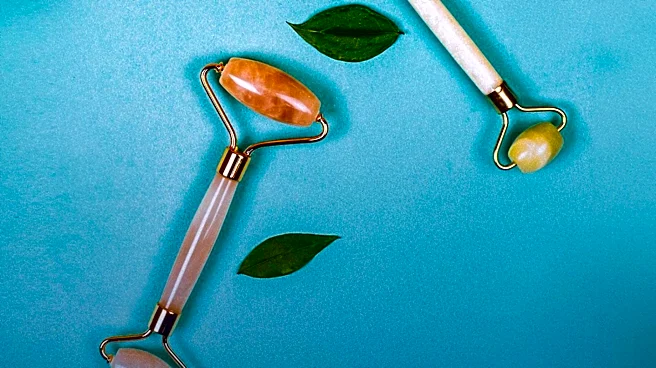
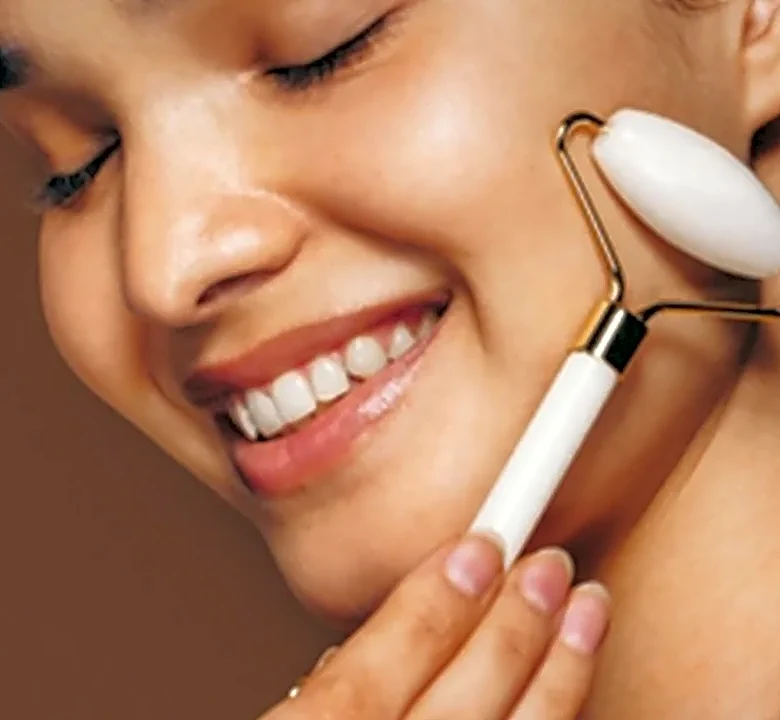
The K-beauty industry is advancing skincare application with innovative 2-in-1 products that integrate sculpting tools directly into formulas. These products, such as the ANUA Collagen Retinol Refining Gua Sha Cream and the Abib Retinal Eye Serum Lifting
Roller, combine localized massage with targeted active ingredients. The ANUA cream features a gua sha head applicator designed to smooth fine lines, rejuvenate sagging skin, and visibly sharpen the jawline by pressing collagen, retinol, and peptide-infused cream into the skin. Similarly, the Abib eye serum incorporates a cooling metal roller to massage retinal, ceramides, caffeine, and peptides into the delicate under-eye area, aiming to reduce dark circles, sagging, and fine lines. These integrated applicators are designed to improve absorption and provide a massaging effect, enhancing the efficacy of the skincare products by ensuring deeper penetration and reducing product waste often associated with traditional application methods. Other innovations include vibrating metal applicators and devices where serum clicks directly into a wand for seamless application.
Why It's Important?
This trend signifies a notable shift in the beauty industry, emphasizing not just the ingredients but also the method of application for maximizing product effectiveness. For consumers, these integrated tools offer convenience and potentially better results by combining multiple steps of a skincare routine into one product. The focus on enhanced absorption and physical sculpting addresses common skincare concerns like puffiness, fine lines, and skin firmness more directly. This innovation could lead to increased consumer spending on advanced skincare solutions and influence product development across the broader beauty market. Brands that successfully integrate such technologies may gain a competitive edge, while traditional skincare brands might need to adapt by incorporating similar application methods or risk being perceived as less effective. The emphasis on hygienic application, by preventing direct physical contact with the formula, also addresses a growing consumer demand for cleaner beauty practices.
What's Next?
The success of these integrated K-beauty tools is likely to inspire further innovation in the U.S. and global beauty markets. Consumers can expect to see more brands developing similar 2-in-1 products that combine active ingredients with specialized applicators, potentially expanding beyond facial care to other body parts. Research and development will likely focus on creating more ergonomic designs, exploring different massage techniques, and incorporating a wider range of active ingredients tailored for specific concerns. There may also be an increase in educational content from brands and beauty influencers demonstrating proper usage to ensure consumers maximize the benefits of these tools. As these products become more mainstream, regulatory bodies might also begin to scrutinize claims related to 'sculpting' and 'lifting,' requiring clearer scientific evidence to support marketing assertions.
Beyond the Headlines
Beyond the immediate benefits of enhanced skincare, this trend reflects a broader cultural shift towards self-care and at-home beauty rituals that mimic professional treatments. The integration of tools like gua sha, traditionally rooted in ancient practices, with modern skincare formulations highlights a fusion of traditional wisdom and scientific advancement. This could lead to a greater appreciation for the therapeutic aspects of skincare, where the act of application becomes a mindful ritual rather than just a routine step. However, it also raises questions about the accessibility and affordability of such advanced tools, potentially creating a divide between those who can invest in these innovations and those who cannot. Furthermore, the emphasis on physical sculpting could inadvertently contribute to societal pressures regarding appearance, reinforcing ideals of youth and firmness.