









What's Happening?
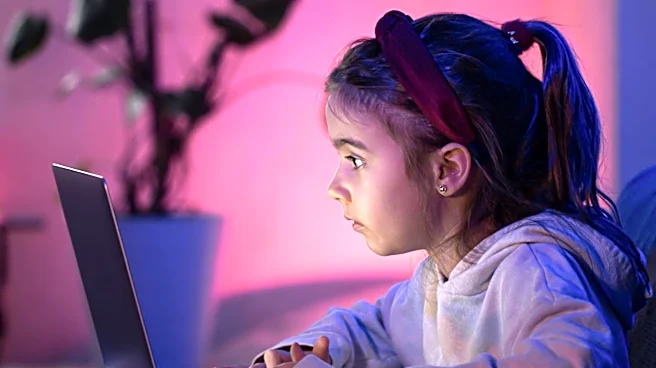
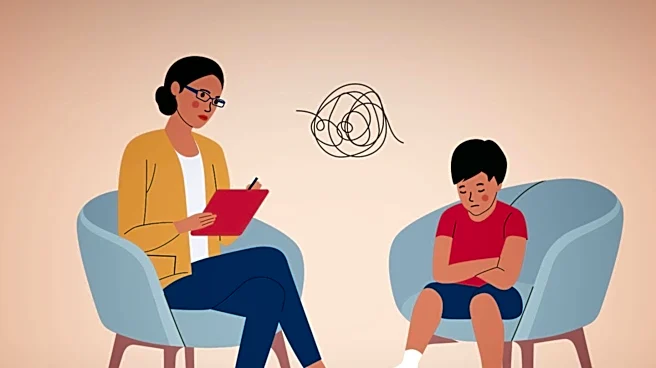
The digital age is impacting the development of social skills among children, with technology acting as a barrier to effective communication. Experts note a decline in social skills among Gen Z and Gen Alpha, attributed to the prevalence of digital devices
and social media. Licensed clinical psychologist JJ Kelly highlights that technology has reduced opportunities for real-life interactions, leading to a drop in essential skills like empathy, conflict resolution, and active listening. Parenting and life coach Randi Crawford emphasizes the importance of face-to-face interactions for developing communication skills.
Why It's Important?
The decline in social skills among younger generations has significant implications for their future personal and professional relationships. As technology continues to dominate communication, there is a risk of losing essential interpersonal skills that are crucial for success in various aspects of life. Addressing this issue requires a concerted effort from parents, educators, and society to create opportunities for children to engage in meaningful, real-world interactions. Fostering these skills is vital for building well-rounded, empathetic individuals who can navigate complex social environments.
What's Next?
Parents and educators are encouraged to set boundaries around technology use and create environments that promote face-to-face interactions. Engaging children in activities that require social skills, such as group projects and community involvement, can help counteract the effects of digital communication. Additionally, open conversations about the importance of social skills and providing opportunities for practice can empower children to develop these essential abilities. As society adapts to the digital age, finding a balance between technology use and real-world interactions will be key to nurturing the next generation's social competence.