

What's Happening?
Mortgage rates in the U.S. have reached their highest level in over a year, causing a decline in demand for home loans. The average interest rate for 30-year fixed-rate mortgages increased to 6.81%, leading to a 2.9% drop in total mortgage application
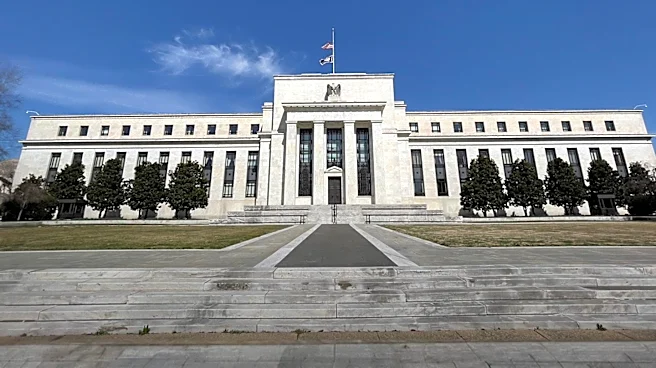
volume. Applications for refinancing and purchasing homes have decreased compared to the previous year. The rise in rates follows the Federal Open Market Committee's recent meeting, which influenced longer-term rates. The higher rates have weakened overall demand in the housing market, impacting both refinance and purchase loan applications.
Why It's Important?
The increase in mortgage rates has significant implications for the U.S. housing market and economy. Higher rates can deter potential homebuyers and reduce refinancing activity, affecting housing affordability and market dynamics. This trend may slow down the housing market's growth and impact related industries, such as construction and real estate services. Additionally, the decline in demand could influence economic indicators and consumer spending, as housing is a major component of the U.S. economy. Understanding these shifts is crucial for policymakers, industry stakeholders, and consumers navigating the housing market.