








What's Happening?
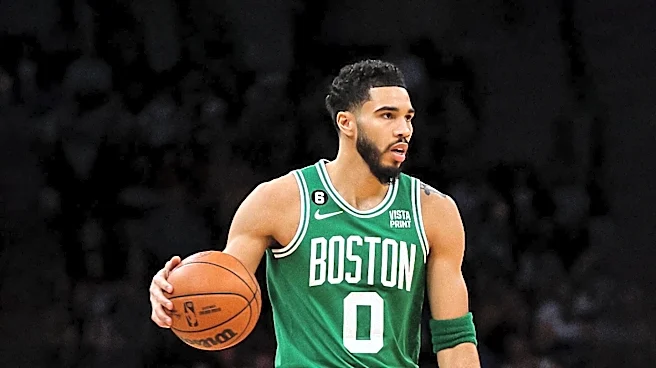
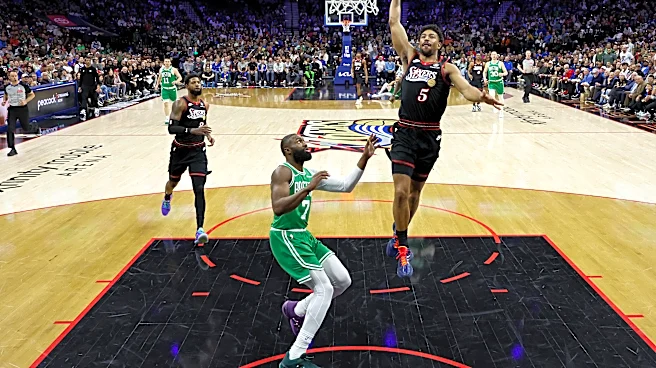
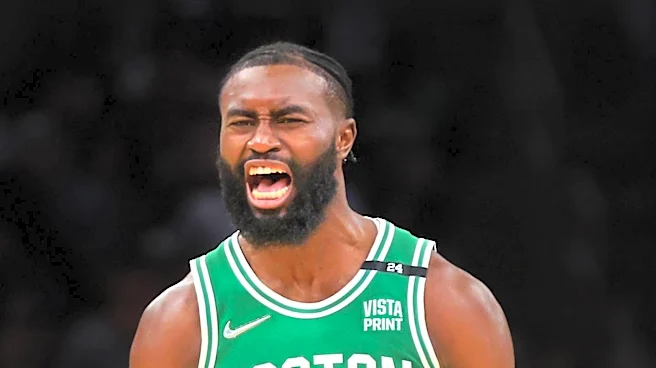
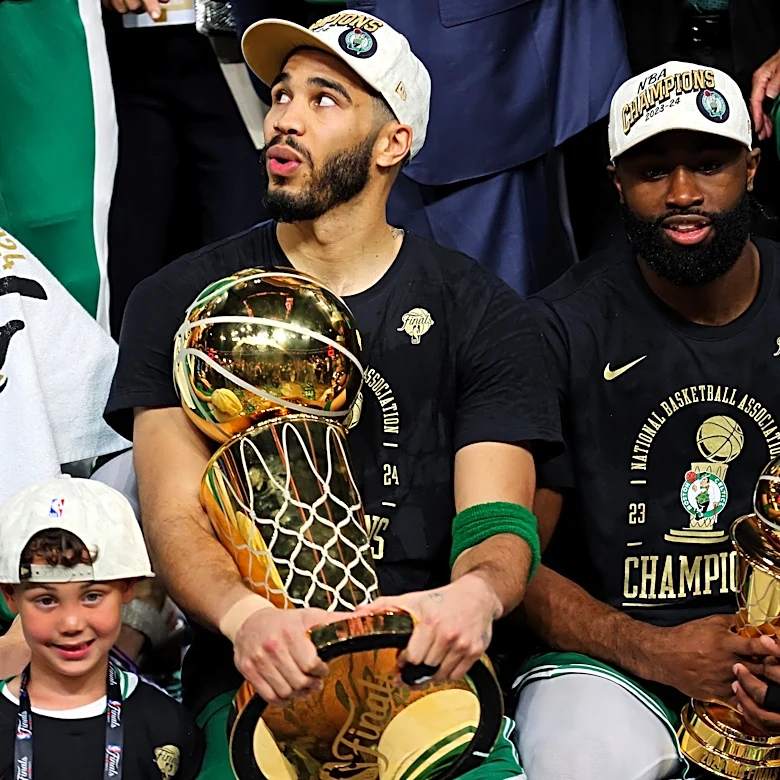
The Boston Celtics have traded Jaylen Brown, a five-time All-Star, to the Philadelphia 76ers. This decision was primarily driven by the Celtics' need to manage their salary cap, as Brown and Jayson Tatum were consuming a significant portion of it. In
exchange, the Celtics received Paul George and several draft picks. Brad Stevens, the Celtics' president of basketball operations, emphasized the need for 'optionality' in their roster management. Despite the strategic reasoning, Brown expressed dissatisfaction with the trade, questioning the decision to send him to a rival team. The trade has sparked discussions about its impact on both teams and the broader dynamics of the Eastern Conference.
Why It's Important?
This trade is significant as it highlights the financial and strategic challenges NBA teams face in managing star players under the salary cap. For the Celtics, the move aims to provide more flexibility in their roster, potentially allowing for future acquisitions or adjustments. However, the trade also raises questions about the team's immediate competitiveness, given Paul George's age and recent injury history. For the 76ers, acquiring Brown could strengthen their lineup, potentially altering the balance of power in the Eastern Conference. The trade's success will depend on how well George performs and how the draft picks are utilized.
What's Next?
The immediate focus will be on how both teams integrate their new players and adjust their strategies. The Celtics will need to assess George's performance and health, while the 76ers will look to maximize Brown's impact. Analysts and fans will closely watch the upcoming season to evaluate the trade's effectiveness. Additionally, the Celtics may explore further trades or signings to enhance their roster, using the flexibility gained from this deal. The long-term success of the trade will also depend on the development and utilization of the acquired draft picks.