





What's Happening?
A new luxury residential golf community, Bluejack Ranch, spearheaded by golf legend Tiger Woods, is set to open this fall outside of Fort Worth, Texas. This 914-acre development is the successor to Bluejack National, Woods' first U.S.-designed golf course
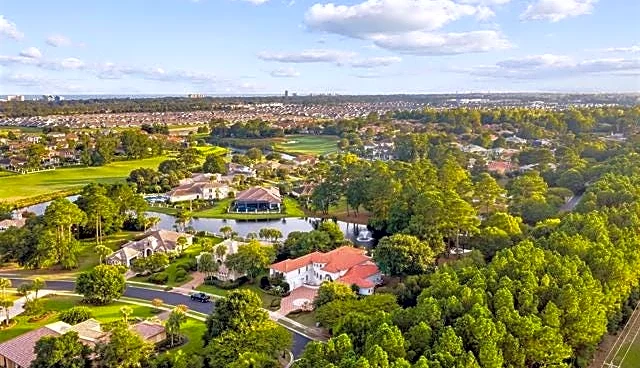
located three hours away in Montgomery. Bluejack Ranch will eventually feature 500 custom and semi-custom homes, ranging from 1,282-square-foot casitas to estate homes exceeding 4,000 square feet, with some sprawling mansions over 19,000 square feet. Prices for residential products start at $1 million, with an average home costing between $2 million and $4 million, and half-acre lots starting at $775,000. The community will include an 18-hole championship course and a 10-hole 'short course,' both designed by Woods' TGR Design firm and land planner Beau Welling. Located in Aledo, a 20-minute drive from downtown Fort Worth, Bluejack Ranch will also offer a private golf club, a working dude ranch, an entertainment hall, podcast studios, multiple pools, tennis and pickleball courts, a bowling alley, several restaurants, comfort stations, a spa and wellness center, an all-ages recreational center, and 24/7 gated security. Developer Andy Mitchell, co-chairman and co-owner of Bluejack Management Partners, emphasized the community's focus on a multigenerational family experience, with amenities catering to both golfers and non-golfers.
Why It's Important?
The development of Bluejack Ranch signifies a growing trend in the luxury real estate market, where high-profile figures like Tiger Woods are leveraging their brand to create exclusive, amenity-rich communities. This project caters to an affluent demographic seeking not just a home, but a comprehensive lifestyle experience that combines luxury living with extensive recreational and social opportunities. The significant investment in diverse amenities, from golf courses to a working dude ranch and wellness centers, reflects a demand for self-contained communities that offer a wide range of activities for all ages. The starting price points and ongoing HOA fees indicate a market for ultra-luxury properties, potentially driving up property values in the surrounding Fort Worth area and attracting further high-net-worth individuals to the region. This development also highlights the economic impact of such projects, creating jobs in construction, hospitality, and various service sectors. Furthermore, the emphasis on a 'multigenerational family club' suggests a strategic response to evolving consumer preferences, where families seek environments that can accommodate diverse interests and foster community engagement beyond just golf.
What's Next?
Bluejack Ranch is scheduled to open this fall, with the initial phase of home sales and club memberships commencing. The developer, Andy Mitchell, will likely continue to market the community to high-net-worth individuals, emphasizing the unique blend of luxury, recreation, and family-oriented amenities. The success of Bluejack Ranch could lead to further expansion of similar luxury golf and lifestyle communities across Texas and other desirable U.S. locations. Potential reactions from major stakeholders include increased interest from other developers in creating similar high-end, branded residential projects. Local businesses in Aledo and Fort Worth may see an economic boost from the influx of new residents and visitors to the community. The project's long-term success will depend on its ability to maintain exclusivity, deliver on its promise of a luxurious lifestyle, and adapt to the evolving demands of the luxury real estate market. The vetting process for club membership, which includes an invitation and approval, suggests a continued focus on maintaining a specific community culture and demographic.
Beyond the Headlines
Beyond its immediate economic and real estate implications, Bluejack Ranch represents a fascinating intersection of celebrity branding, luxury consumerism, and the evolving concept of community. The involvement of Tiger Woods elevates the project beyond a typical golf development, imbuing it with an aura of prestige and aspiration. This phenomenon reflects a broader societal trend where consumers are increasingly drawn to experiences and lifestyles curated by influential figures. The community's strict membership vetting process, where even homeowners are not guaranteed club access, highlights the desire for exclusivity and a carefully controlled social environment among the ultra-wealthy. This raises questions about social stratification and the creation of insular communities that may inadvertently reinforce economic divides. Furthermore, the emphasis on 'unplugging' and connecting with nature, despite the highly curated and luxurious setting, points to a paradox in modern affluent lifestyles: a yearning for simplicity and authenticity within a framework of extreme comfort and convenience. The project's success could influence future luxury developments to prioritize not just amenities, but also a carefully crafted brand narrative and a sense of belonging that extends beyond mere property ownership.