







What's Happening?
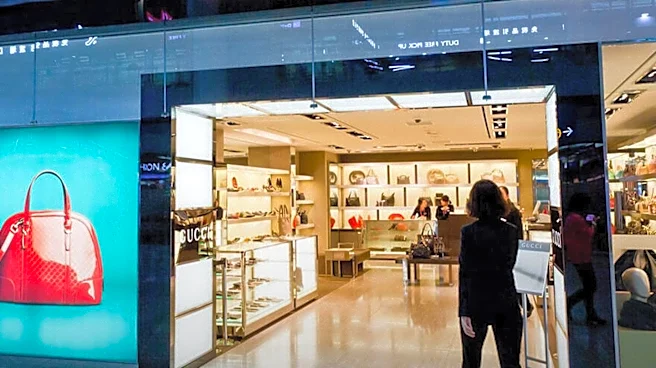
Burberry, a historic British fashion brand, has announced the closure of 21 stores globally as part of a strategic restructuring plan. This decision comes after a challenging period in the market, prompting the company to reassess its business model.
The closures are part of a broader effort to streamline operations and focus on high-performing locations. By reducing its physical footprint, Burberry aims to enhance the customer experience in its remaining stores, which are strategically located in areas with a strong demand for luxury goods. The company ended the fiscal year 2026 with 410 directly operated shops worldwide, having opened nine new locations. This move is part of a larger strategy to prioritize heritage and classic styles over fleeting fashion trends, which has already resulted in a significant increase in operating profit.
Why It's Important?
The restructuring of Burberry highlights a significant shift in the luxury retail sector, where brands are increasingly focusing on efficiency and strategic location choices. By closing underperforming stores, Burberry is able to allocate more resources to its premium locations, ensuring a high-quality shopping experience that aligns with its brand image. This approach not only protects the company's bottom line but also reinforces its exclusivity in the market. The decision to focus on classic styles rather than chasing trends is a strategic move to strengthen brand identity and appeal to consumers seeking timeless fashion. This restructuring could serve as a model for other luxury brands facing similar market challenges, emphasizing the importance of adaptability and strategic focus in maintaining relevance and profitability.
What's Next?
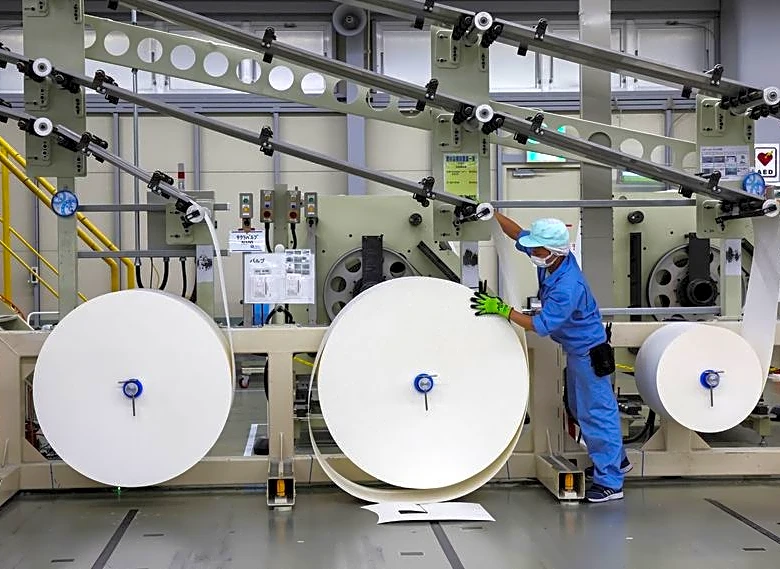
As Burberry continues its restructuring efforts, the company plans to cut approximately 1,700 jobs worldwide by 2027, affecting nearly a fifth of its global workforce. This includes the elimination of the night shift at its raincoat factory in Yorkshire. These job cuts are part of a broader cost-cutting initiative aimed at generating significant savings and stabilizing the business. Moving forward, Burberry will concentrate its marketing efforts on regions with a strong demand for luxury goods, tailoring its product offerings to local preferences. This targeted approach is expected to enhance the brand's presence in high-performing markets and ensure long-term sustainability. The company will also continue to emphasize its heritage and classic styles, reinforcing its position as a leader in the luxury fashion industry.