



What's Happening?
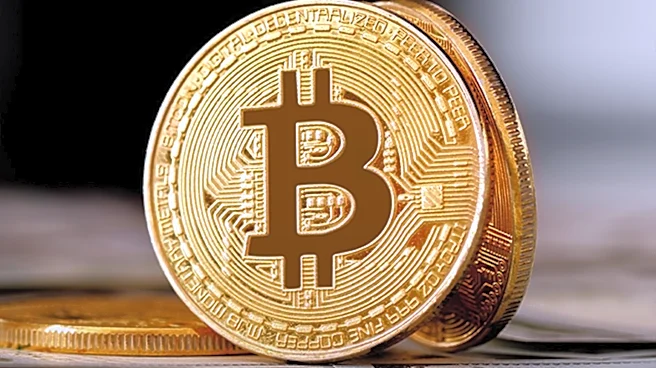
El Salvador's President Nayib Bukele has denied reports that the country transferred its strategic bitcoin reserves to a private operator as part of a loan agreement with the International Monetary Fund (IMF). President Bukele clarified via X that only
shares of Chivo, the government-backed bitcoin payment app, were transferred, not the nation's Strategic Bitcoin Reserve. This denial comes after the IMF announced a preliminary deal with El Salvador, unlocking $140 million in funding. The IMF's statement indicated that majority ownership and operational control of the Chivo wallet had been transferred to a private operator, with the government retaining a minority stake and custodial responsibilities for customer assets. El Salvador adopted bitcoin as legal tender in 2021 but removed this status in January as part of negotiations with the IMF. The IMF also noted that any recent bitcoin acquisitions by El Salvador were financed through private donations, not public funds, and no further public accumulation of bitcoin is expected.
Why It's Important?
This development is significant as it clarifies the status of El Salvador's bitcoin holdings, a key aspect of President Bukele's economic agenda and the country's relationship with international financial institutions. The distinction between transferring Chivo wallet shares and the national bitcoin reserves is crucial for understanding the government's financial strategy and its compliance with IMF conditions. For the U.S. and global financial markets, El Salvador's bitcoin experiment has been closely watched as a precedent for cryptocurrency adoption by sovereign nations. The IMF's stance on limiting public funding for bitcoin purchases reflects a cautious approach to the volatility and risks associated with cryptocurrencies, potentially influencing other countries considering similar policies. The transparency around these financial arrangements is vital for investor confidence and the stability of emerging markets engaging with digital assets.
What's Next?
Following President Bukele's clarification, the focus will likely shift to the implementation of the IMF's $140 million funding and the broader austerity and reform program in El Salvador. The government will need to demonstrate continued adherence to the IMF's conditions, particularly regarding fiscal prudence and the management of its bitcoin assets. The private operator now in control of the Chivo wallet will face the challenge of revitalizing public engagement with the platform, which has seen declining usage. International observers and cryptocurrency enthusiasts will continue to monitor El Salvador's unique economic model, especially how it balances its commitment to bitcoin with the demands of traditional financial institutions. Future reports from the IMF will provide further insights into the country's financial health and its ongoing relationship with digital currencies.
Beyond the Headlines
The situation in El Salvador highlights the complex interplay between national sovereignty, economic policy, and the evolving landscape of digital finance. President Bukele's initial bold move to adopt bitcoin as legal tender positioned El Salvador as a pioneer, but it also brought scrutiny and challenges from traditional financial bodies like the IMF. The current clarification underscores the pressure countries face to align with international financial norms while pursuing innovative economic strategies. This case also raises questions about the future role of cryptocurrencies in national economies, particularly in developing nations seeking alternative financial pathways. The ongoing dialogue between El Salvador and the IMF could set precedents for how other countries integrate digital assets into their financial systems, balancing potential benefits with regulatory and stability concerns.