






What's Happening?
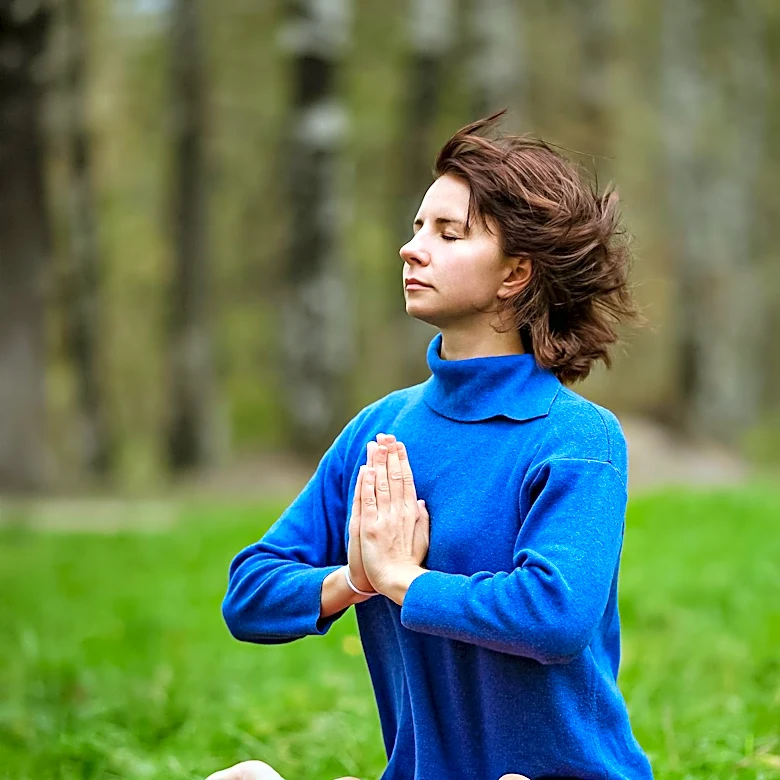
Yoga has long been recognized as a practice that connects individuals with nature, a concept now understood through the lens of biophilia. Biophilia, a term coined by biologist E. O. Wilson, describes the innate human tendency to connect with nature and
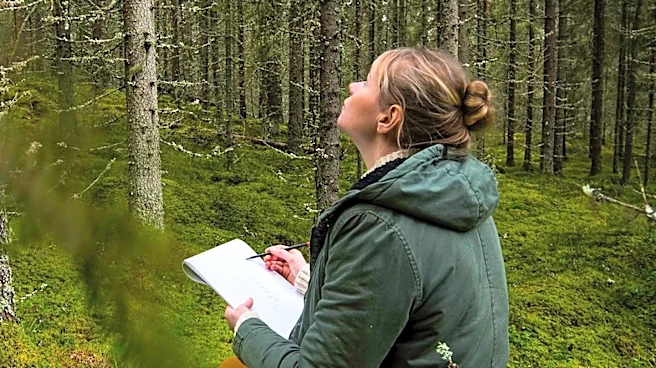
life-like processes. Yoga, with its poses named after natural elements and animals, embodies this connection by encouraging practitioners to physically and mentally align with nature. Historical practices like shinrin-yoku, or forest bathing, have shown that time spent in nature reduces stress and enhances well-being. Similarly, yoga's incorporation of natural forms and movements supports mental and physical health by fostering a sense of belonging to the natural world.
Why It's Important?
Understanding yoga as a biophilic practice underscores its potential to enhance mental health and well-being by reconnecting individuals with nature. This perspective aligns with growing evidence that nature exposure can reduce stress and improve cognitive function. As urbanization and digital lifestyles increase, practices like yoga offer a counterbalance, promoting mindfulness and a deeper connection to the environment. This understanding may influence how yoga is taught and practiced, emphasizing its role in holistic health and environmental awareness.
What's Next?
The recognition of yoga's biophilic aspects could lead to a broader integration of nature-based practices in wellness and healthcare settings. Yoga studios and instructors might increasingly incorporate outdoor sessions or nature-themed practices to enhance the biophilic experience. Additionally, this perspective could inspire further research into the health benefits of nature-connected practices, potentially influencing public health policies and wellness programs. As awareness grows, there may be a greater emphasis on preserving natural environments as essential components of public health infrastructure.