
What's Happening?
The growing popularity of head spa videos on social media has brought increased attention to scalp care, highlighting its importance for overall hair health. An at-home head spa ritual, as outlined by
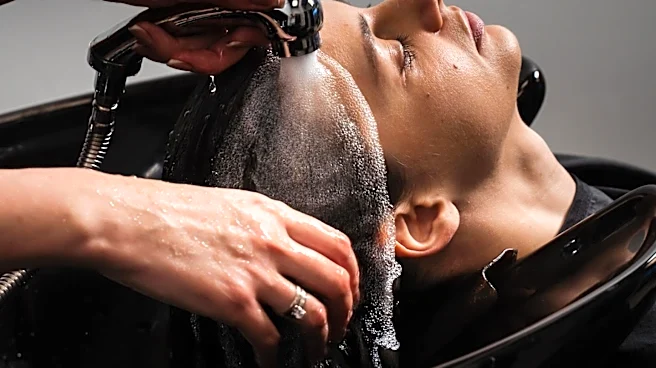
Wendy Iles of Iles Formula, involves several steps designed to reset and nourish the scalp. This routine begins with exfoliating the scalp to remove buildup from oil, dead skin, and styling products, particularly crucial for individuals with hair extensions. Following exfoliation, a gentle shampoo is used, with formulations often chosen for their mildness on sensitive scalps. The ritual then progresses to treating both the scalp and hair with a nourishing mask, which can be enhanced with botanical oils for added richness. The final steps include applying a leave-in scalp treatment, such as a rejuvenating booster, and then styling the hair, ensuring heat protection is used if blow-drying. This comprehensive approach aims to maintain scalp health between professional salon visits.
Why It's Important?
The emphasis on at-home head spa rituals signifies a shift in personal care routines, recognizing the scalp as a foundational element for healthy hair. This trend has significant implications for the beauty and wellness industry, driving demand for specialized scalp care products, from exfoliants and gentle shampoos to nourishing masks and leave-in treatments. Consumers are becoming more educated about the benefits of a healthy scalp, which can include improved hair growth, reduced irritation, and better overall hair quality. This focus also encourages a more holistic approach to beauty, where preventative care and long-term health are prioritized over quick fixes. For businesses, this translates into opportunities for product innovation and market expansion in the scalp care segment, potentially leading to increased sales and brand loyalty as consumers seek effective solutions for their hair and scalp concerns. The accessibility of at-home rituals also democratizes spa-like experiences, making advanced hair care more attainable for a broader audience.
What's Next?
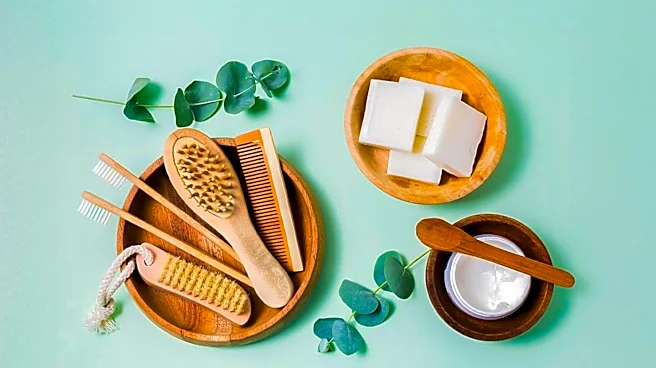
The continued visibility of head spa practices on social media is likely to further popularize at-home scalp care routines. This will probably lead to an influx of new products and tools designed to facilitate these rituals, such as specialized scalp massagers, applicators, and ingredient-focused treatments. Beauty brands are expected to invest more in research and development to create innovative formulations that address various scalp concerns, from dryness and oiliness to sensitivity and hair thinning. Educational content, including tutorials and expert advice on scalp health, will also likely proliferate across digital platforms, empowering consumers to adopt and customize their own at-home head spa experiences. Furthermore, the integration of technology, such as smart devices for scalp analysis, could emerge, offering personalized recommendations and enhancing the efficacy of these routines. This trend suggests a sustained growth in the scalp care market, with a focus on personalized, effective, and accessible solutions.
Beyond the Headlines
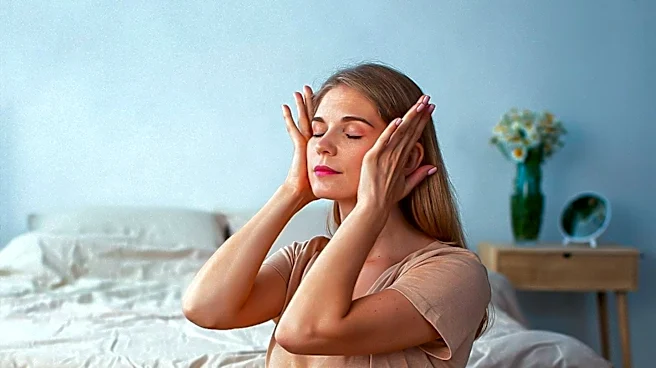
Beyond the immediate benefits of healthier hair and scalp, the rise of at-home head spa rituals reflects a broader cultural shift towards self-care and wellness. In an increasingly fast-paced world, these rituals offer a moment of mindfulness and relaxation, transforming a routine task into a therapeutic experience. This trend highlights the psychological benefits of self-care, where dedicated time for personal grooming can reduce stress and improve overall well-being. It also underscores a growing consumer desire for transparency and efficacy in beauty products, as individuals seek out ingredients and routines that deliver tangible results. The emphasis on natural ingredients and gentle formulations in many scalp care products aligns with a larger movement towards clean beauty and sustainable practices. Ultimately, the head spa phenomenon is not just about hair; it's about fostering a deeper connection with one's body and integrating wellness practices into daily life, reflecting a more conscious and holistic approach to personal health.