



What's Happening?
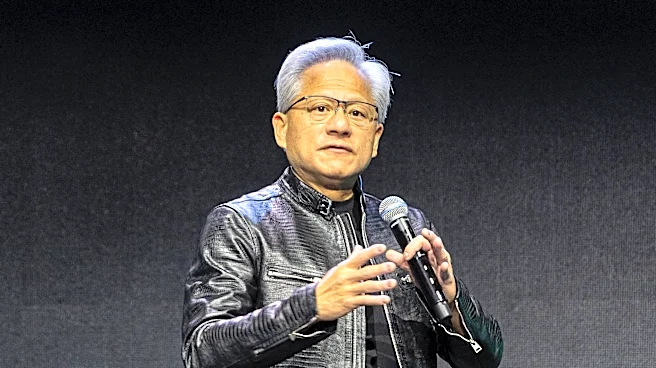
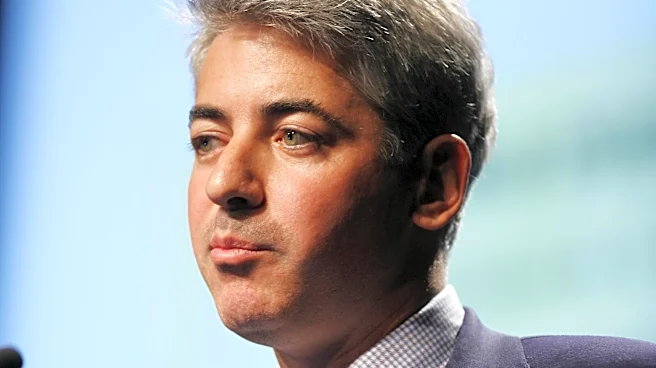
Bill Ackman, CEO of Pershing Square Capital Management, publicly criticized Nvidia's board of directors on November 18, alleging that they are not acting in the best interest of shareholders and have failed in their fiduciary duties. Ackman's concerns
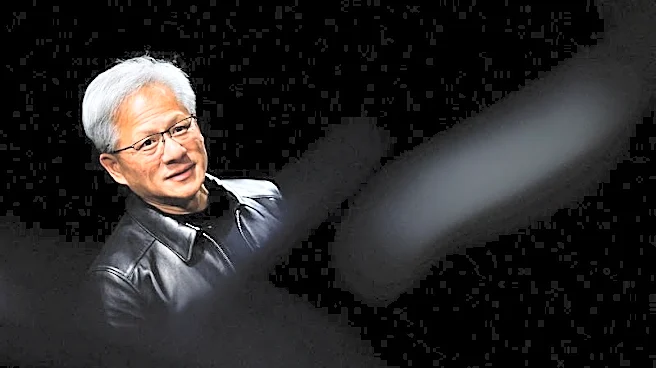
stem from the board's handling of CEO Jensen Huang's resignation and the subsequent investigation. According to Ackman, the board "rushed to judgment" and reacted to media coverage without conducting a proper investigation or adequate due diligence before making a decision of such magnitude. He specifically noted that the board ruled out Huang's return as CEO before the investigation was concluded. Nvidia's Chairman, Harvey Jones, responded by stating that Huang "voluntarily resigned" due to personal behavior inconsistent with the company's code of conduct, and the board unanimously accepted the resignation, with no intention of reinstating him. This governance dispute emerged as Nvidia reported strong third-quarter financial results, with revenue of $115.84 billion, exceeding analyst estimates, and data center revenue increasing by 110% year-over-year.
Why It's Important?
This public criticism from a prominent activist investor like Bill Ackman highlights significant corporate governance issues at Nvidia, a company with substantial market influence, particularly in the technology and artificial intelligence sectors. The dispute raises questions about board independence, due process, and the protection of shareholder interests. For investors, the controversy introduces an element of uncertainty regarding leadership stability and decision-making at a critical juncture for Nvidia, despite its strong financial performance. A perceived lack of proper governance can erode investor confidence, potentially impacting stock valuation and long-term growth prospects. The situation also underscores the importance of transparent and thorough internal investigations, especially when dealing with high-profile executive departures, to maintain trust among stakeholders and ensure adherence to fiduciary responsibilities.
What's Next?
The immediate future will likely involve continued scrutiny of Nvidia's board and its handling of the CEO transition. Ackman's call for shareholders to press for Huang's reinstatement, if he is cleared of any national security concerns, could galvanize other large investors to demand greater transparency or even initiate proxy battles. The ongoing formal board investigation and the search for a new CEO will be closely watched for any developments or timelines. The outcome of this governance challenge could set precedents for how boards manage executive conduct and departures in other major corporations. Nvidia's ability to navigate this leadership transition smoothly while maintaining its strong market position in the rapidly evolving AI landscape will be crucial for its future performance and investor relations.
Beyond the Headlines
The controversy at Nvidia extends beyond a simple executive departure, touching upon deeper themes of corporate ethics, board accountability, and the balance of power between management, the board, and shareholders. Ackman's intervention, framed as a matter of fiduciary duty, brings to light the potential for activist investors to influence corporate governance practices, even in companies with robust financial health. The incident also raises questions about the role of media coverage in corporate decision-making and the pressure boards face to respond swiftly to public perception. In an era where corporate social responsibility and ethical leadership are increasingly valued, the manner in which such high-stakes situations are managed can significantly impact a company's reputation and its ability to attract and retain talent and investment. The long-term implications could include a re-evaluation of board oversight mechanisms and executive conduct policies across the industry.