





What's Happening?
The U.S. has implemented a series of strategic trade measures aimed at revitalizing its agricultural sector and leveraging global trade dynamics. Recent agreements with China, including a commitment to purchase 25 million metric tons of U.S. soybeans
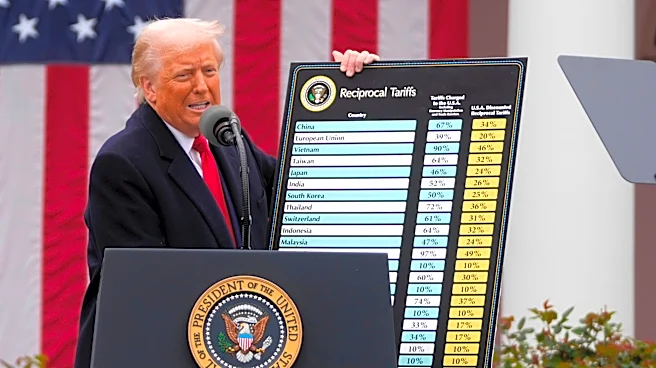
annually through 2028, are part of a broader strategy to boost U.S. farm exports. This comes after a significant downturn in trade, with U.S. agricultural exports to China dropping to $8.4 billion in 2025, the lowest since 2007. The U.S. has also imposed tariffs on Brazilian goods, aiming to pressure Brazil over its trade practices. Meanwhile, exemptions have been made for Canadian weaner pigs, crucial for U.S. Midwest finishing barns, despite new tariffs on other Canadian goods. These moves are part of a larger effort to rebuild the U.S. tariff wall, using various legal frameworks to sustain agricultural trade amidst global competition.
Why It's Important?
These trade strategies are critical for the U.S. agricultural sector, which has faced significant challenges due to global trade tensions and domestic policy shifts. By securing large-scale purchase commitments from China, the U.S. aims to stabilize and potentially increase its agricultural exports, providing a much-needed boost to American farmers. The tariffs on Brazilian goods, while controversial, are intended to create leverage in trade negotiations, potentially opening new markets or improving terms for U.S. exports. However, these measures also risk retaliation, which could impact U.S. exports adversely. The strategic exemptions, such as those for Canadian weaner pigs, highlight the delicate balance the U.S. is trying to maintain between protecting domestic industries and fostering international trade relationships.
What's Next?
The upcoming state visit by President Xi to Washington in September is expected to further solidify trade commitments between the U.S. and China. Additionally, the U.S. is likely to continue leveraging tariffs as a tool in its trade negotiations, potentially expanding or adjusting them based on the outcomes of ongoing discussions with trade partners like Brazil and Canada. The agricultural sector will be closely monitoring these developments, as they will significantly impact market dynamics and export opportunities. Furthermore, the U.S. may face legal challenges or need to navigate diplomatic tensions as it enforces these trade measures.