





What's Happening?
AST SpaceMobile has updated its mobile satellite launch timeline, pushing back its target for having approximately 45 satellites in orbit to mid-2027. Previously, the company aimed to achieve this by the end of the current year. Despite these delays,
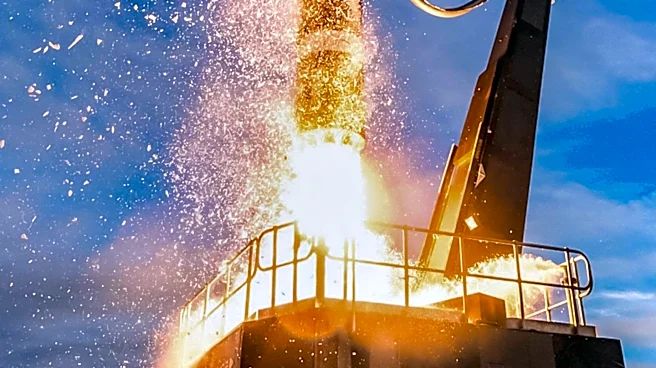
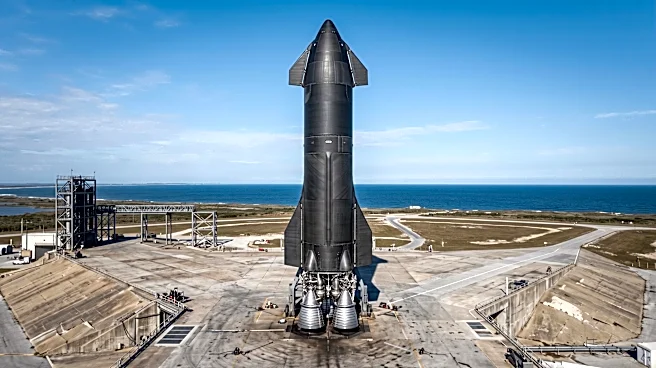
AST SpaceMobile remains committed to providing 'intermittent' coverage by the end of this year for strategic partners in the U.S., Canada, Japan, Saudi Arabia, and the UK. Mobile operator partners, including AT&T and Verizon in the U.S., can expect commercial mobile satellite direct-to-device (D2D) services to be pushed back. The company currently has 13 satellites in operation. To gain more control over launch availability, AST SpaceMobile announced plans to build its own reusable rocket, named 'Blacklift,' which is expected to start flights in late 2028 and carry up to five satellites at a time. This rocket will utilize engines from Firefly Aerospace.
Why It's Important?
The delay in AST SpaceMobile's satellite deployment schedule could impact its strategic partners, including major U.S. mobile operators like AT&T and Verizon, who are awaiting the launch of commercial D2D services. This setback might affect their plans for offering satellite-to-phone connectivity and could lead to a slower rollout of these advanced services to consumers. The decision to build its own 'Blacklift' rocket signifies a strategic shift for AST SpaceMobile, aiming to reduce reliance on external launch providers and mitigate future delays. While ambitious, this move could grant the company greater control over its deployment schedule and potentially reduce long-term launch costs. However, the 'aspirational' timeline for Blacklift's first flight in late 2028 introduces new complexities and risks associated with rocket development and manufacturing. The success of this in-house launch capability will be crucial for AST SpaceMobile's long-term growth and its ability to meet its ambitious coverage goals.
What's Next?
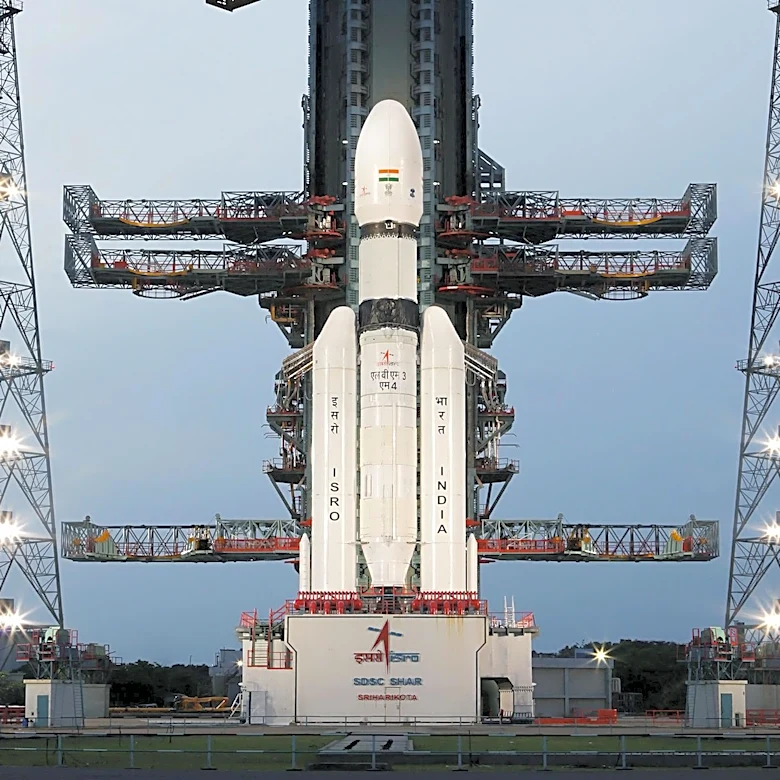
AST SpaceMobile expects mobile operator trials to begin in early 2027, with a target of approximately 25 satellites for optimal beta testing. The next batch of three satellites is awaiting a launch date from SpaceX, while another three are expected to ship in November for a Blue Origin launch early next year. A further five satellites are slated for launch in the first quarter of next year for a U.S. government mission. The company has agreements in place for 100 satellite launches through 2027 and 2028. Details about the 'Blacklift' rocket are expected to be shared at an upcoming event in New York. The success of these upcoming launches and the development of the Blacklift rocket will be critical milestones for AST SpaceMobile as it strives to achieve continuous nationwide coverage and deliver on its D2D service promises to its partners and customers.
Beyond the Headlines
AST SpaceMobile's decision to develop its own reusable rocket, 'Blacklift,' highlights a growing trend among space companies to vertically integrate their operations, from satellite manufacturing to launch capabilities. This strategy, while capital-intensive and technically challenging, aims to reduce dependencies and accelerate deployment schedules in a rapidly expanding space economy. The 'aspirational' nature of the Blacklift timeline underscores the inherent difficulties and risks in rocket development, which could impact investor confidence and market perception. Furthermore, the delays in satellite deployment for D2D services could intensify competition in the satellite connectivity market, as other players vie to capture market share. The long-term success of AST SpaceMobile will depend not only on its technological prowess but also on its ability to navigate the complexities of both satellite and rocket manufacturing, while maintaining strong partnerships with mobile operators and government entities.