




What's Happening?
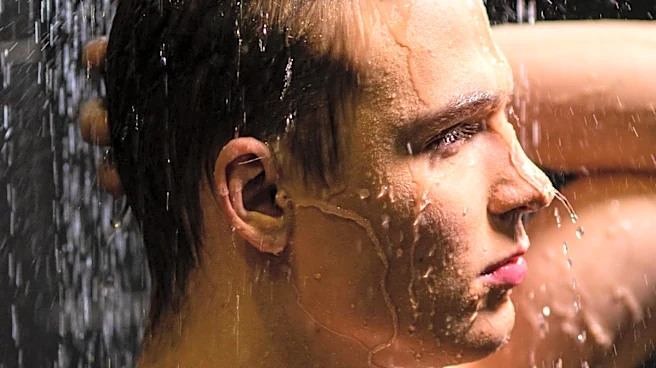
A social media trend dubbed 'pheromone maxxing' is gaining traction, primarily among men, who are intentionally reducing their hygiene routines. This involves skipping showers, avoiding deodorant and perfume, and even re-wearing unwashed clothes. The
proponents of this trend believe that by preserving their natural body odor, they can release pheromones that enhance their attractiveness to women. This practice is part of a broader 'maxxing' online movement focused on optimizing various aspects of appearance and the body. However, dermatologists, such as Dr. Marina Landau of Maccabi Healthcare Services, caution that while infrequent showering may not immediately cause illness in healthy individuals, it can lead to bacterial growth and a strong, unpleasant body odor, which is not scientifically linked to increased attraction. The scientific community largely dismisses the idea of a human sex pheromone with a direct and immediate effect on sexual attraction, despite the trend's reliance on this evolutionary myth.
Why It's Important?
The 'pheromone maxxing' trend highlights a significant disconnect between popular social media narratives and scientific understanding, particularly concerning human biology and attraction. While the trend itself might seem niche, it reflects a broader societal inclination to seek quick-fix solutions for personal enhancement, often without robust scientific backing. For the beauty and personal care industry, this trend could pose a challenge as it encourages consumers to forgo products like deodorants, perfumes, and even regular showering. Conversely, it could also spark innovation in products that claim to enhance natural scents or address the underlying scientific questions about human attraction. From a public health perspective, promoting reduced hygiene, even if not immediately dangerous, can lead to skin issues and social discomfort, potentially impacting personal well-being and social interactions. The trend also underscores the powerful influence of online communities in shaping behaviors and beliefs, even when those beliefs contradict established scientific consensus.
What's Next?
As the 'pheromone maxxing' trend continues to circulate on social media platforms like TikTok and Instagram, it is likely to face ongoing scrutiny from medical and scientific experts. Dermatologists and public health officials may increase efforts to debunk the scientific inaccuracies underpinning the trend and educate the public on healthy hygiene practices. The personal care industry might respond by emphasizing the benefits of their products in maintaining hygiene and promoting a pleasant scent, potentially launching campaigns that counter the 'pheromone maxxing' narrative. Further scientific research into human olfaction and attraction may be spurred by the public interest generated by such trends, aiming to provide clearer answers on the role of scent in human relationships. However, given the nature of online trends, 'pheromone maxxing' may eventually fade as new 'optimization' fads emerge, or it could evolve into different forms as its proponents adapt their practices.
Beyond the Headlines
Beyond the immediate health and social implications, the 'pheromone maxxing' trend touches upon deeper cultural and psychological aspects of human attraction and self-perception. It reflects a desire to tap into primal, evolutionary mechanisms for social advantage, even if those mechanisms are misunderstood or exaggerated. The trend also highlights the ongoing tension between naturalism and modern societal norms of cleanliness and grooming. It raises questions about how individuals define and pursue attractiveness in an increasingly digital and image-conscious world. The scientific debate surrounding human pheromones, though largely settled in the scientific community regarding a direct sexual attractant, continues to fascinate the public, demonstrating a persistent human curiosity about the subtle, unconscious signals that influence our interactions. This trend, therefore, serves as a cultural artifact, revealing contemporary anxieties and aspirations related to identity, social connection, and the pursuit of an 'optimized' self.