


What's Happening?
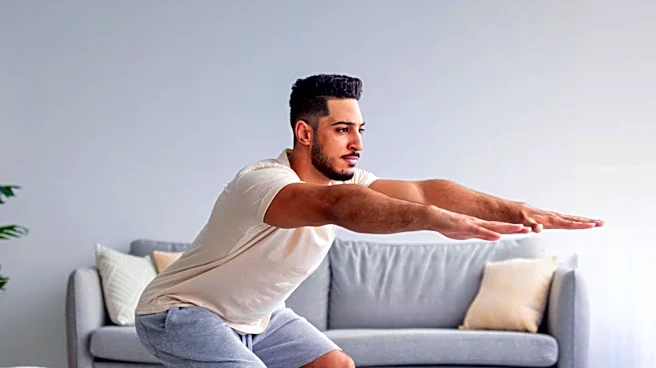
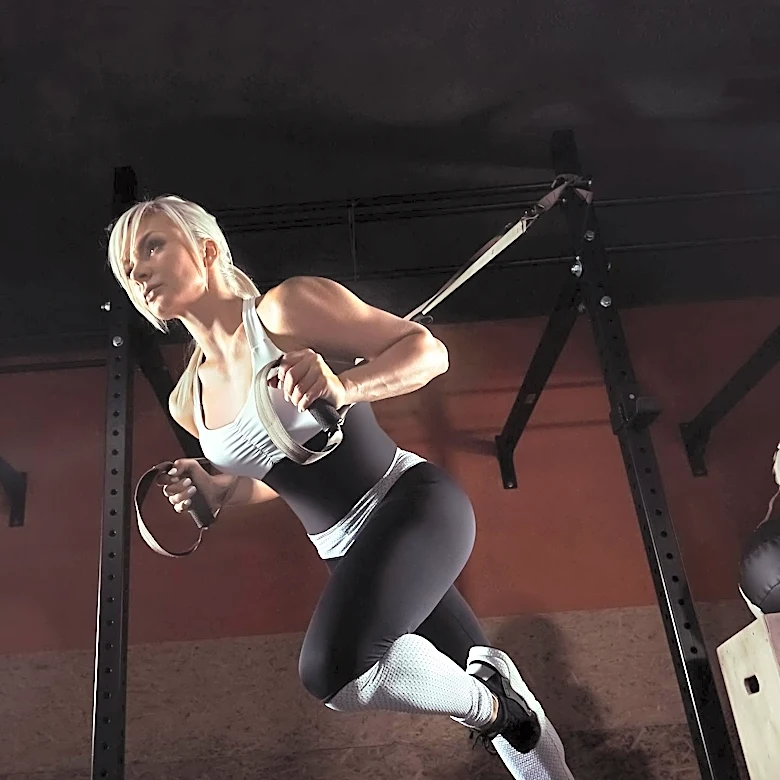
Bodyweight workouts provide a complete fitness solution without the need for gym equipment, focusing on exercises like squats, lunges, push-ups, and reverse lunges. A recommended full-body routine involves a squat or lunge, a push, a hip hinge or glute
movement, a back-focused alternative, and core work, performed two to three nonconsecutive days per week. Beginners are advised to use controlled variations, allow for recovery, and progress by improving rep quality, range of motion, tempo, or by adopting harder variations, rather than frequently changing routines. The American College of Sports Medicine's resistance training guidelines support progressive resistance training for healthy adults, noting that equipment type does not consistently alter training outcomes. The CDC also recommends muscle-strengthening activities for all major muscle groups at least twice weekly. This approach allows individuals to build strength and endurance using only their body weight, making fitness accessible anywhere.
Why It's Important?
This emphasis on bodyweight training is significant for several reasons. Firstly, it democratizes fitness, removing financial and logistical barriers associated with gym memberships or specialized equipment. This accessibility can lead to broader public health improvements, as more individuals can engage in regular physical activity. Secondly, bodyweight exercises often promote functional strength, which translates directly to improved performance in daily activities and reduced risk of injury. By focusing on fundamental movements, individuals develop better body awareness, balance, and coordination. For those with limited space or travel frequently, bodyweight workouts offer a consistent and effective way to maintain fitness. The flexibility of these routines also allows for personalized progression, catering to various fitness levels from beginners to advanced practitioners, ensuring sustained engagement and long-term health benefits.
What's Next?
The continued adoption and refinement of bodyweight workout methodologies are expected. As awareness grows regarding the effectiveness and convenience of these exercises, more structured programs and digital tools, such as fitness apps, are likely to emerge to guide users. These resources will likely offer personalized routines, progress tracking, and instructional content to help individuals master proper form and advance through variations. There may also be an increased focus on integrating bodyweight training into broader wellness initiatives, including corporate wellness programs and community health campaigns, to encourage widespread participation. Furthermore, research into the long-term benefits and optimal progression strategies for bodyweight training will likely continue, providing further scientific backing for its efficacy and helping to refine best practices for diverse populations.
Beyond the Headlines
Beyond the immediate fitness benefits, the rise of bodyweight training reflects a broader cultural shift towards self-sufficiency and minimalist living. It challenges the perception that effective fitness requires expensive gear or exclusive facilities, promoting a mindset where one's own body is the most valuable piece of equipment. This approach can foster greater self-reliance and empowerment, as individuals learn to take control of their physical health with minimal external dependencies. Ethically, it promotes inclusivity in fitness, making it accessible to people from all socioeconomic backgrounds. Legally, it may influence urban planning, with more public spaces designed to facilitate bodyweight exercises, such as outdoor fitness parks. Culturally, it could lead to a re-evaluation of traditional gym culture, emphasizing functional movement and holistic well-being over purely aesthetic goals.