


What's Happening?
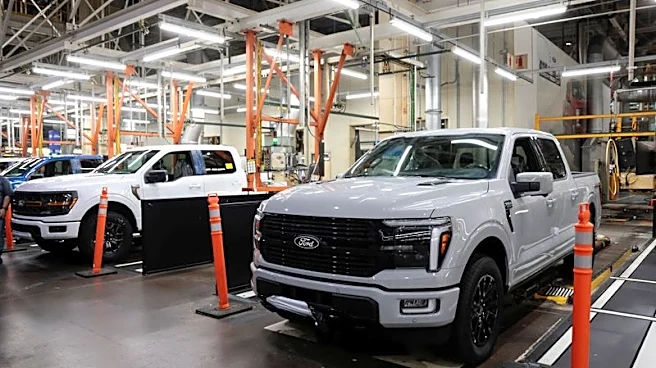
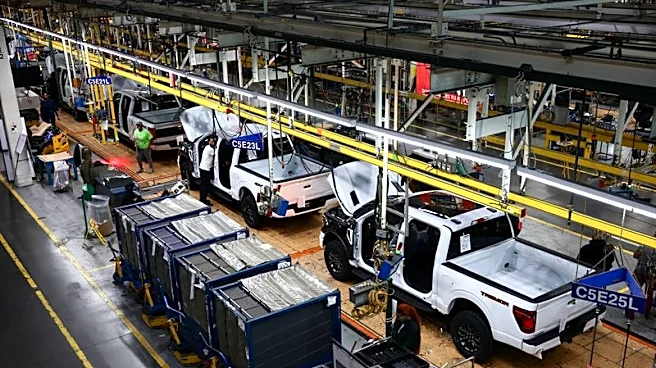
General Motors (GM) is launching redesigned Chevrolet Silverado and GMC Sierra pickups featuring larger gasoline and diesel engines, while simultaneously expanding its truck production capacity. This strategy involves increasing output at engine factories
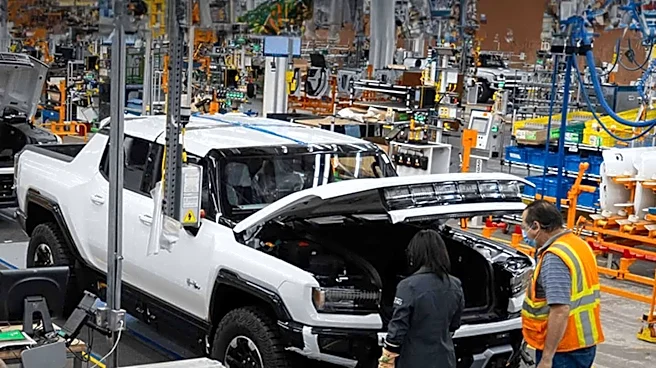
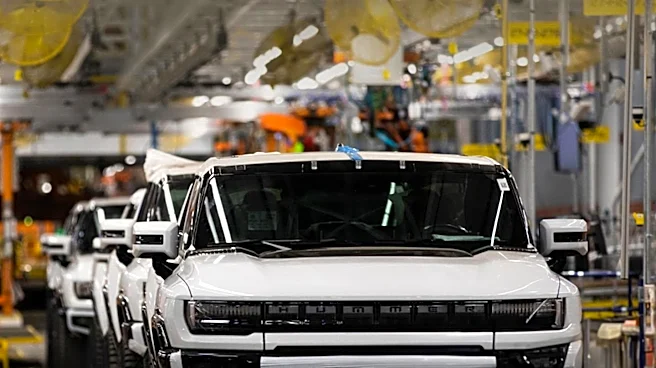
in Western New York and Ontario, Canada, and converting an idle plant in Orion, Michigan, to produce more gasoline pickups and Cadillac Escalade SUVs. This move comes despite rising fuel prices, which are nearing $5 a gallon, and a perceived lag in electric vehicle (EV) demand. GM's executive chief engineer, Mark Dickens, highlighted the introduction of an all-new 6.6-liter V-8 engine producing 481 horsepower and a new 555-horsepower diesel engine named 'Mongoose' for heavy-duty work trucks. The fuel economy ratings for these new trucks have not yet been released by the Department of Energy. This focus on large, internal combustion engine vehicles contrasts with the broader industry trend towards electrification and hybrid models, particularly as competitors like Toyota gain U.S. market share with their hybrid offerings.
Why It's Important?
GM's decision to prioritize large, fuel-intensive pickup trucks is a significant strategic gamble with broad implications for the U.S. automotive market and environmental policy. Historically, these trucks have been highly profitable for GM, and the company appears to be banking on their continued appeal to bolster its bottom line. However, this strategy carries risks, especially with fluctuating fuel prices and increasing consumer interest in more fuel-efficient and electric alternatives. If fuel prices remain high or continue to climb, the demand for these larger, less fuel-efficient vehicles could diminish, potentially impacting GM's sales and market share. Furthermore, this approach could put GM at odds with evolving environmental regulations and consumer preferences for sustainable transportation. The move also highlights a divergence in strategy compared to competitors like Toyota, which is seeing success with its hybrid lineup, suggesting a potential shift in market leadership if GM's bet on traditional trucks does not pay off in the long term.
What's Next?
GM's new Chevrolet Silverado and GMC Sierra pickups are slated to go on sale later this year. The market's reception to these larger, more powerful, and potentially less fuel-efficient trucks will be a critical indicator of the success of GM's strategy. The Department of Energy's upcoming fuel economy ratings for these vehicles will also be closely watched, as they could influence consumer purchasing decisions and public perception. Industry analysts, such as Sam Fiorani of AutoForecast Solutions, anticipate GM could add approximately 100,000 trucks worth of production, aiming for over 10% growth. However, Fiorani also notes the challenge of achieving such growth given the strong brand loyalty among truck owners. The performance of these new models will likely dictate GM's future investment decisions regarding its vehicle portfolio, particularly the balance between traditional internal combustion engine vehicles and electric or hybrid offerings. The ongoing competition with automakers like Toyota, which are gaining ground with hybrid sales, will also be a key factor to monitor.
Beyond the Headlines
GM's intensified focus on large pickup trucks, despite rising fuel costs and the push for electrification, reveals a deeper tension within the automotive industry regarding profitability versus sustainability. While GM has invested significantly in electric vehicles, its current strategy underscores the immediate financial reliance on its highly profitable truck segment. This approach could have long-term implications for GM's brand image and its ability to adapt to a rapidly changing automotive landscape driven by climate concerns and technological advancements. The decision to convert an EV-intended plant to produce gasoline trucks also signals a potential recalibration of its EV ambitions, at least in the short term. This could influence policy discussions around vehicle emissions standards and incentives for EV adoption, as a major U.S. automaker is doubling down on traditional, higher-emission vehicles. The success or failure of this strategy could serve as a case study for other manufacturers navigating the complex transition to a more sustainable automotive future.