





What's Happening?
Pump & Pantry, a convenience store chain owned by Bosselman Enterprises, is significantly expanding its foodservice offerings and enhancing operational standards. The company, ranked No. 142 on CSP’s 2026 Top 202 list of U.S. c-store chains, recently
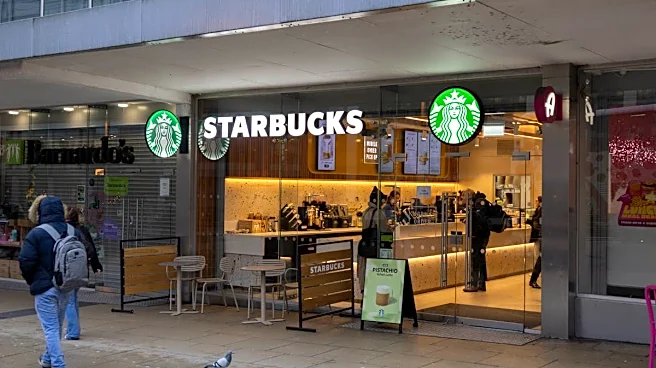
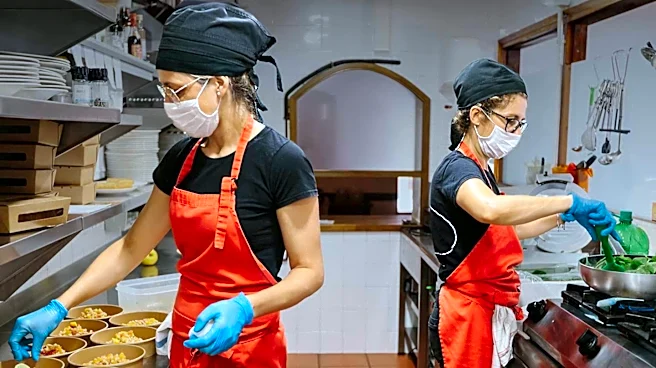
acquired 21 Hy-Vee Fast & Fresh stores, which included five Starbucks and seven Smokey Row specialty coffee shops. This expansion aims to introduce unique alternatives to the competitive Des Moines, Iowa market, such as a breakfast burrito line and lunchtime wraps, rather than replicating existing strong programs like pizza. Director of Foodservice Alex Dunn emphasizes store cleanliness and employee appearance, with many new stores featuring open kitchens to promote a tidy environment, including proper cleaning regimens, gloves, uniforms, and hair restraints. The company plans continuous menu expansion, incorporating limited-time offers, and actively seeks customer feedback to identify successful items, like their griddle-stack sandwich, which has become a core menu item.
Why It's Important?
This strategic move by Pump & Pantry highlights a growing trend in the U.S. convenience store sector: the increasing importance of foodservice as a key differentiator and revenue driver. By focusing on unique menu items and high operational standards, Pump & Pantry aims to capture a larger share of the prepared food market, which traditionally has been dominated by fast-food chains and quick-service restaurants. The emphasis on visual cues like open kitchens and employee appearance is crucial for building customer trust and perception of quality, especially in a segment where food safety and hygiene are paramount. This approach could set a new benchmark for convenience stores, pushing competitors to elevate their own foodservice programs and operational practices. The acquisition of established coffee shop brands also demonstrates a strategy to diversify offerings and appeal to a broader customer base, potentially impacting local food markets and consumer choices in the regions they operate.
What's Next?
Pump & Pantry is expected to continue its menu expansion, introducing additional limited-time offers and leveraging customer feedback to refine its product lineup. The company's focus on operational excellence, including store cleanliness and employee presentation, will likely be maintained and potentially serve as a model for future store developments and acquisitions. Competitors in the convenience store and quick-service restaurant sectors may observe Pump & Pantry's strategies, particularly its success with unique menu items and customer trust-building initiatives, potentially leading to similar adaptations across the industry. The integration of the newly acquired Starbucks and Smokey Row locations will also be a key area to watch, as their success could influence further brand partnerships or acquisitions within the convenience store landscape. The company's ongoing efforts to identify and capitalize on food trends will be critical for sustained growth and market relevance.
Beyond the Headlines
The evolution of Pump & Pantry's foodservice strategy reflects a broader shift in consumer expectations for convenience stores, moving beyond traditional grab-and-go items to demand higher quality, more diverse, and healthier food options. This trend is driven by changing lifestyles and a desire for convenience without compromising on taste or perceived freshness. The company's investment in open kitchens and stringent hygiene protocols also speaks to a deeper cultural shift towards transparency in food preparation and a heightened awareness of food safety among consumers. This could lead to increased pressure on all food service providers, regardless of format, to adopt similar practices. Furthermore, the strategic use of customer feedback loops for menu development signifies a data-driven approach to culinary innovation, allowing for rapid adaptation to consumer preferences and minimizing the risk of unsuccessful product launches. This agile approach could become a standard for food businesses seeking to remain competitive in a fast-evolving market.