






What's Happening?
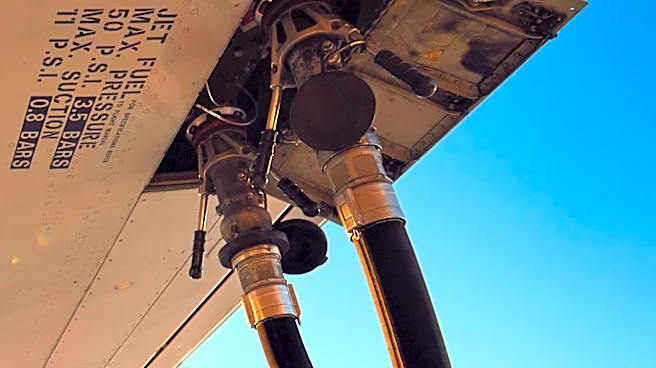
The United Arab Emirates (UAE) is actively pursuing the production of synthetic sustainable aviation fuel (e-SAF) in Abu Dhabi through a strategic collaboration agreement between the Abu Dhabi Department of Energy (DoE) and Evolve Fuels AG, a Smartenergy
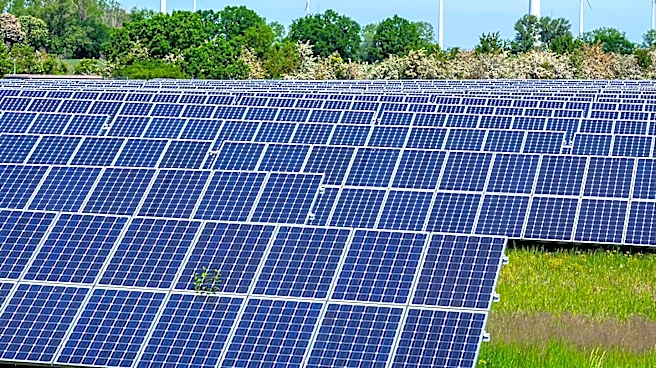
Group company. This agreement, signed on November 3, 2026, during ADIPEC 2026, aims to assess the technical and commercial viability of local e-SAF production, attract investment, and develop regulatory frameworks for this emerging fuel industry. The collaboration will focus on connecting Abu Dhabi investors with Evolve Fuels' international project pipeline, supporting policy development for synthetic aviation fuel, and exploring a roadmap for potential production in the emirate. E-SAF is produced using renewable electricity, hydrogen, and captured carbon dioxide, offering a pathway to reduce aviation's reliance on fossil fuels. This initiative is part of the UAE's broader goal to develop sustainable aviation fuel production and reduce aviation emissions, with a target of supplying 700 million liters of sustainable aviation fuel annually by 2030.
Why It's Important?
This development is significant for the global aviation industry's decarbonization efforts and positions the UAE as a potential leader in sustainable aviation fuel production. The growing international demand for cleaner aviation fuels, driven by regulations like the EU's ReFuelEU Aviation, creates a substantial market opportunity. For the UAE, this initiative could diversify its energy industry, attract foreign investment in advanced fuel technologies, and strengthen Abu Dhabi's role in the developing sustainable aviation fuel market. Successful implementation would provide a crucial alternative to conventional jet fuel, contributing to reduced carbon emissions from air travel. However, the production of e-SAF requires substantial renewable electricity, hydrogen production capacity, reliable carbon dioxide supplies, specialized industrial infrastructure, and significant investment, posing challenges in terms of production costs and renewable energy availability.
What's Next?
The immediate next steps involve a joint steering committee overseeing the assessment of potential initiatives and projects. This assessment will identify priority opportunities and evaluate the technical, commercial, and regulatory requirements for future e-SAF projects. It will also explore avenues for international investment, knowledge exchange, technology transfer, and the development of local industrial capabilities. While the agreement does not confirm a final investment decision or construction schedule, it lays the groundwork for future investments and production facilities, which will be subject to further evaluation and separate agreements. The UAE's broader efforts include other sustainable aviation fuel projects, such as a commercial-scale waste-to-sustainable aviation fuel project and a facility converting used cooking oil into SAF, demonstrating a multi-faceted approach to achieving its clean aviation fuel ambitions.
Beyond the Headlines
The push for e-SAF in the UAE highlights a broader global shift towards sustainable energy solutions in hard-to-decarbonize sectors like aviation. This initiative could trigger long-term shifts in energy infrastructure, emphasizing the integration of renewable energy, hydrogen production, and carbon capture technologies. The ethical and environmental implications hinge on the source of renewable electricity, the method of hydrogen production, and the origin and permanent storage of captured carbon dioxide. The development of clear regulatory standards will be crucial to ensure the environmental integrity and commercial viability of e-SAF. This move also underscores the increasing role of strategic international collaborations in accelerating the transition to a low-carbon economy, as countries leverage their resources and expertise to meet ambitious climate targets.