





What's Happening?
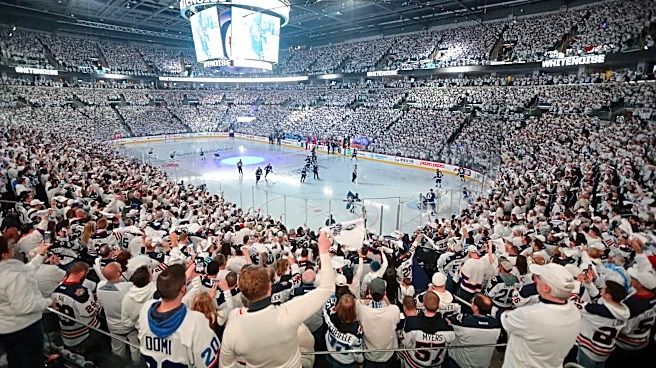
The National Hockey League (NHL) has observed a modest 0.2 percent increase in league-wide average attendance during the first quarter of the 2026-27 season. This figure represents tickets distributed rather than actual arena attendance. While many venues
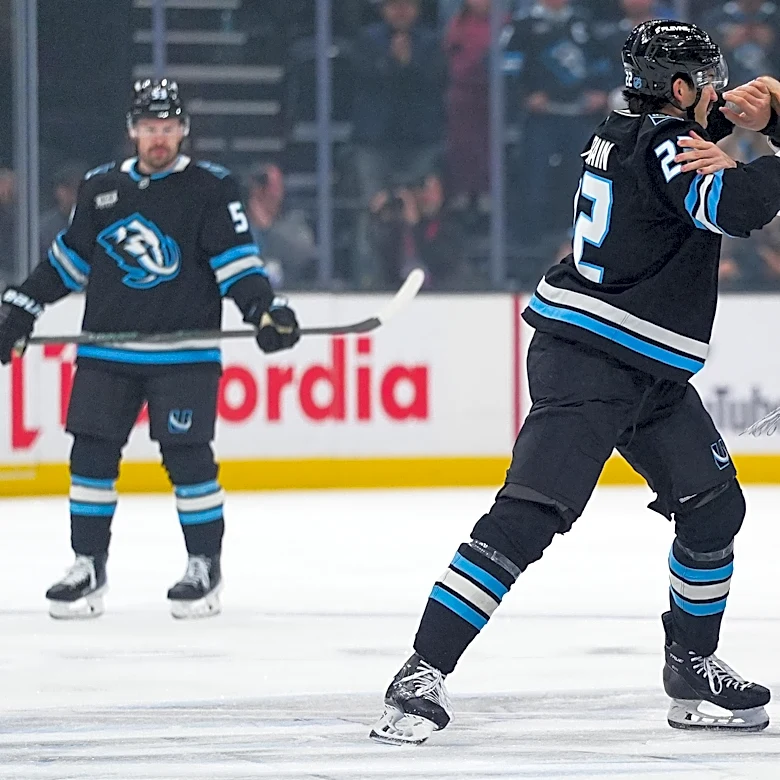
are operating at or near capacity, limiting significant growth in average attendance, the league continues to sell out over half of its games. However, the percentage of sellouts has slightly decreased to 57 percent compared to 59 percent at the same point last season, accounting for nine fewer sold-out games. Several teams, including the Blue Jackets, Flyers, and Penguins, are projected to experience attendance declines this season, largely attributed to their current low standings in the Eastern Conference. Conversely, Utah's attendance has seen a bump due to arena upgrades that added 1,633 seats, with the Mammoth selling out every game despite playing in the league's smallest building.
Why It's Important?
The slight increase in NHL attendance, despite a dip in sellout percentages, indicates a stable but not rapidly expanding market for professional hockey in the U.S. and Canada. For teams like the Blue Jackets, Flyers, and Penguins, anticipated attendance declines could impact local revenue streams, potentially affecting team valuations and future investment in player talent or arena improvements. The success of teams like the Utah Mammoth, driven by arena upgrades and consistent sellouts, highlights the importance of modern facilities and a strong fan experience in driving attendance. This trend suggests that teams with aging infrastructure or consistent on-ice struggles may face increasing pressure to innovate or risk falling behind in fan engagement and financial performance. The overall stability in attendance, even with minor fluctuations, underscores the enduring appeal of the sport to its dedicated fanbase.
What's Next?
The NHL will continue to monitor attendance figures throughout the 2026-27 season, with a more comprehensive review expected at the halfway point. Teams projected to see declines, such as the Blue Jackets, Flyers, and Penguins, will likely need to address on-ice performance or implement new fan engagement strategies to mitigate further drops. Discussions around a new arena for the Utah Mammoth and Jazz are anticipated, which could further boost attendance and revenue for the Utah franchise. The league and individual teams will likely analyze the factors contributing to the slight decrease in sellouts to identify potential areas for improvement in marketing and ticket sales strategies. The ongoing performance of teams and their playoff prospects will significantly influence attendance trends in the latter half of the season.
Beyond the Headlines
The nuanced attendance figures reveal a deeper dynamic within the NHL market. While overall attendance remains stable, the slight decline in sellouts suggests that even in a healthy league, maintaining peak fan engagement requires continuous effort. This could lead to increased investment in data analytics to understand fan behavior, personalized marketing campaigns, and enhanced in-arena experiences. The disparity between teams with strong attendance (like Utah) and those facing declines (like Columbus, Philadelphia, and Pittsburgh) highlights a growing divide in market strength, potentially influencing future league expansion considerations or revenue sharing models. The focus on 'tickets distributed' rather than 'actual attendance' also raises questions about the true engagement levels and the effectiveness of current reporting metrics, potentially prompting a re-evaluation of how fan presence is measured and valued.