







What's Happening?
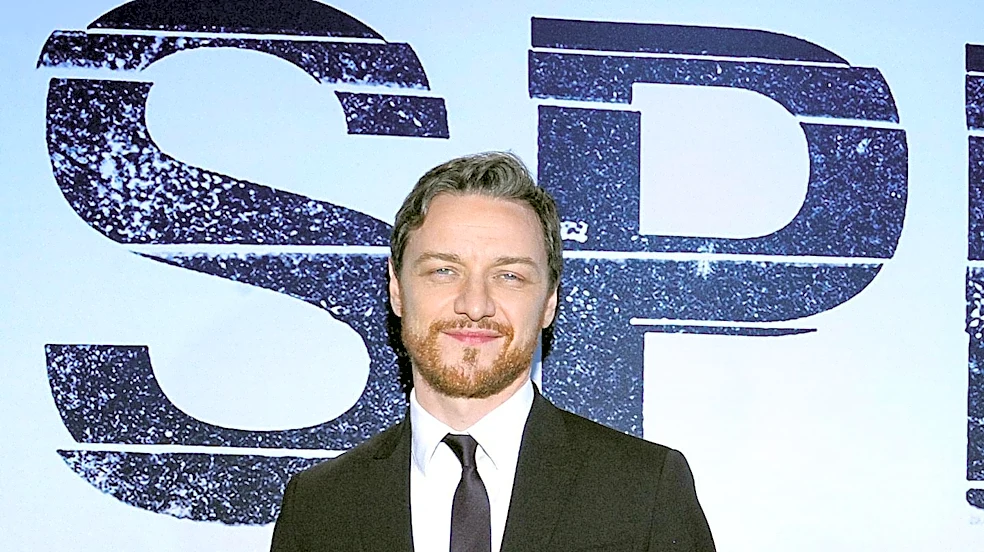
Actor James McAvoy has disclosed that M. Night Shyamalan’s 2016 psychological horror film, 'Split,' is the movie that consistently earns him the most significant residuals, even a decade after its release. During an appearance on the 'Happy Sad Confused'
podcast on October 15, McAvoy highlighted the film's low budget of approximately $6 million as a key factor in its profitability. 'Split' generated $40.2 million in its opening weekend and went on to achieve a worldwide box office total of $278.5 million. This substantial return on investment has translated into 'bonkers' residual checks for McAvoy, despite the film not receiving significant awards season recognition. He noted that while horror performances are beginning to gain more traction in awards discussions, it was not the case when 'Split' was released.
Why It's Important?
This revelation by James McAvoy underscores the often-unpredictable nature of film profitability and the long-term financial benefits of residuals for actors, particularly from films with high returns on low budgets. For the U.S. film industry, 'Split' serves as a case study demonstrating that critical acclaim and awards are not always directly correlated with financial success and sustained income for talent. It highlights how a film's initial production cost relative to its box office performance can significantly impact residual payouts over time. This scenario can influence how studios greenlight projects, potentially favoring lower-budget films with strong commercial appeal, and how actors prioritize roles, considering not just upfront fees but also potential long-term earnings from residuals. The discussion also touches upon the evolving recognition of horror genre performances within the broader awards landscape.
What's Next?
The ongoing discussion about film residuals, particularly from successful low-budget productions like 'Split,' could prompt further examination within the entertainment industry regarding compensation structures. Actors and their representatives may increasingly leverage such examples in negotiations, emphasizing the long-term value of participation in commercially successful projects, regardless of initial budget size. This trend might also encourage studios to invest more in genre films that offer high profit margins, potentially leading to a shift in production strategies. Furthermore, as horror performances gain more recognition, future awards seasons might see a more inclusive approach to genre films, potentially altering how such movies are marketed and perceived by both audiences and critics.
Beyond the Headlines
McAvoy's comments shed light on the complex economics of Hollywood, where a film's cultural impact or critical reception doesn't always align with its financial longevity for those involved. The 'bonkers' residuals from 'Split' highlight a deeper ethical consideration within the industry: the disparity in how different types of films generate long-term income for talent. It also subtly critiques the awards system, suggesting a historical bias against horror films, which are often commercially successful but less frequently celebrated for their artistic merit in mainstream awards. This situation could foster a re-evaluation of artistic value versus commercial viability, influencing future creative decisions and potentially leading to a more equitable recognition of diverse cinematic achievements.