






What's Happening?
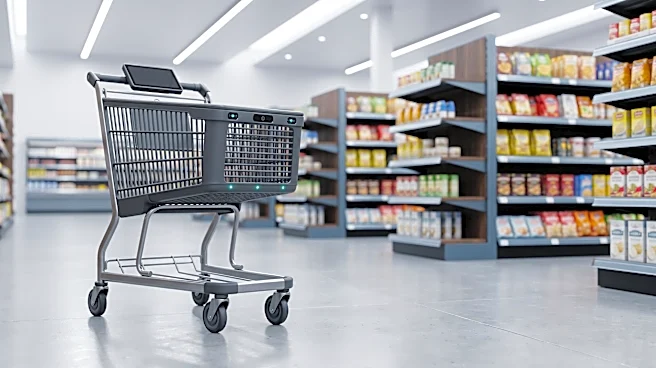
Amazon's Grocery, Retail & In-Store Experience (GRAISE) team, part of World Wide Grocery Store Tech (WWGST), is developing advanced AI and machine learning systems to enhance in-store grocery technologies. This initiative focuses on creating domain-specific
models to address complex challenges within the grocery sector, including smart shopping carts, inventory intelligence, personalization, and store operations. The GRAISE team's mission is to make grocery shopping more convenient, economical, personalized, and enjoyable for customers, while simultaneously improving operational efficiency for retailers. Applied Scientists on the team are responsible for designing, training, and evaluating computer vision and machine learning models for tasks such as product identification, shelf perception, and in-store scene understanding. They conduct extensive data analysis to identify domain-specific issues like image variability and label noise, translating these findings into actionable modeling decisions. The team manages the entire model development lifecycle, from initial experimentation to deployment, collaborating with software and ML engineers to ensure models meet production requirements for latency, throughput, and reliability. This work directly impacts the shopping experience for millions of customers in Amazon grocery stores.
Why It's Important?
The advancements by Amazon's GRAISE team are significant for the U.S. retail industry, particularly the grocery sector, as they aim to redefine the in-store shopping experience and operational efficiency. By leveraging AI and machine learning for smart shopping carts and inventory intelligence, Amazon is setting a new standard for convenience and personalization, which could pressure other retailers to adopt similar technologies to remain competitive. Improved inventory intelligence can lead to reduced waste and optimized stock levels, benefiting both retailers' bottom lines and consumers through better product availability. The focus on personalization could enhance customer loyalty and drive sales by offering tailored recommendations and experiences. This technological push also highlights a broader trend in retail where AI is becoming crucial for connecting disparate technology ecosystems, turning data into actionable insights, and streamlining operations. The integration of computer vision for product identification and shelf perception can automate tasks previously requiring manual labor, potentially leading to cost savings and more efficient store management. The success of these initiatives by a major player like Amazon could accelerate the adoption of AI-driven in-store technologies across the entire U.S. retail landscape.
What's Next?
The GRAISE team will continue to refine and deploy its AI and machine learning models, moving rapidly from prototype to production-quality solutions. This involves ongoing collaboration with engineering, product, and business teams to integrate these technologies into Amazon's grocery operations. Future developments will likely include further enhancements in computer vision and multimodal learning, potentially incorporating store video and sensor data to gain deeper insights into customer behavior and store environments. The team will also focus on designing and executing robust evaluation frameworks to measure both model performance and its impact on business outcomes, continuously diagnosing failure modes to prioritize improvements. As these technologies mature, they are expected to be scaled across more Amazon grocery stores, potentially influencing the broader retail sector to invest further in similar in-store AI solutions. The emphasis on making technology more connected, accessible, and useful suggests a future where AI plays an even more central role in decision-making throughout the retail business, from merchandising to customer engagement.
Beyond the Headlines
Beyond the immediate operational benefits, Amazon's investment in in-store AI technologies through the GRAISE team has deeper implications for the future of retail and consumer behavior. The drive towards hyper-personalization and frictionless shopping experiences raises questions about data privacy and the ethical use of AI in monitoring customer activities. As computer vision and sensor data become more prevalent, the balance between convenience and consumer surveillance will become a critical discussion point. Furthermore, the increased automation of tasks like inventory management and product identification could lead to shifts in the retail workforce, requiring new skill sets and potentially displacing certain roles. The integration of AI into physical stores blurs the lines between online and offline retail, creating a truly omnichannel experience where customer journeys are seamlessly connected. This evolution could also lead to new forms of in-store retail media and advertising, leveraging real-time audience targeting and personalized promotions. The long-term success of these technologies will depend not only on their technical capabilities but also on their ability to build consumer trust and adapt to evolving societal expectations regarding technology in everyday life.