






What's Happening?
Geopolitics is becoming an indispensable component of MBA education, as global power dynamics, geography, and state relations profoundly influence international affairs and business operations. Modern management problems frequently possess geopolitical
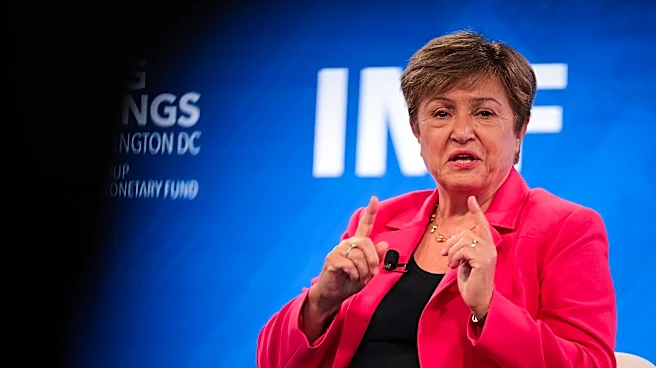
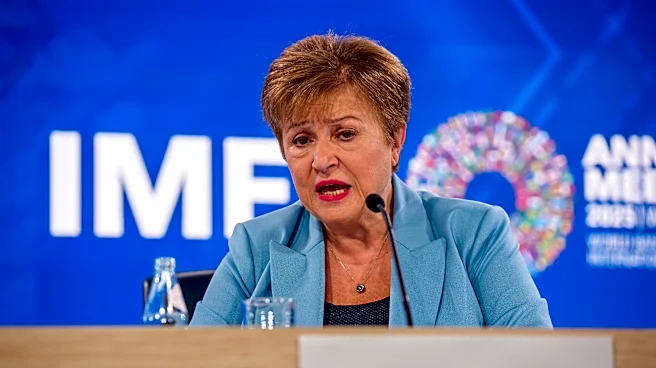
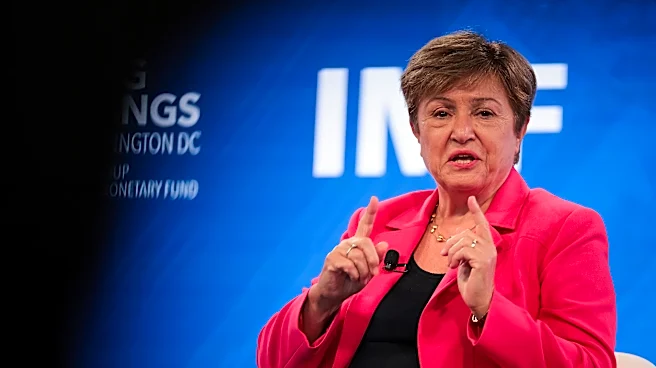
dimensions, requiring business leaders to connect political developments to practical aspects like cash flow, operations, customer relations, and human resources. The International Monetary Fund's 2026 discussions on trade and growth underscore how geopolitical tensions, evolving trade relationships, and supply chain disruptions are actively reshaping global commerce and investment. An MBA program's value now lies in its ability to equip students with the skills to translate geopolitical uncertainty into actionable business decisions, rather than merely offering discussions on world affairs. This includes understanding how trade restrictions, sanctions, supply chain resilience, and political uncertainty directly impact business models, operational compliance, costs, and investment strategies.
Why It's Important?
The integration of geopolitics into MBA curricula is critical for preparing future U.S. business leaders to navigate an increasingly complex global landscape. For U.S. industries, this means graduates will be better equipped to identify and mitigate risks associated with international trade, supply chain vulnerabilities, and foreign policy shifts. This enhanced understanding can lead to more resilient business models, better-informed investment decisions, and improved compliance with international regulations. Companies that employ leaders with a strong grasp of geopolitics will be better positioned to anticipate market changes, adapt to new trade policies, and strategically expand into or withdraw from international markets. This shift in education also impacts U.S. competitiveness on a global scale, as businesses led by geopolitically savvy executives can more effectively leverage international opportunities and manage cross-border challenges, ultimately contributing to economic stability and growth. Without this understanding, U.S. businesses risk being blindsided by global events, leading to significant financial losses and strategic missteps.
What's Next?
MBA programs are expected to further integrate geopolitical analysis into their core curricula, moving beyond elective courses to embed it within subjects like international economics, strategy, operations, and risk management. This will involve developing assignments that require students to make concrete decisions, such as investment recommendations or supply chain redesigns, based on geopolitical scenarios. Universities will also need to continuously update their teaching materials to reflect current events and evolving global dynamics, ensuring that students can apply analytical skills to unfolding situations. Furthermore, there will be an increased emphasis on fostering diverse perspectives in the classroom, encouraging evidence-based disagreement, and examining the assumptions behind students' recommendations. Prospective MBA students will increasingly seek programs that demonstrate a robust approach to geopolitical education, looking for evidence of practical application through scenario planning and crisis simulations, rather than just theoretical discussions.
Beyond the Headlines
The emphasis on geopolitics in business education reflects a deeper societal recognition of the interconnectedness between global politics and economic prosperity. Ethically, it prompts future leaders to consider the broader societal impacts of their business decisions in a politically charged world, moving beyond purely profit-driven motives. Legally, it underscores the growing complexity of international law and compliance, requiring businesses to navigate a labyrinth of sanctions, trade agreements, and regulatory frameworks. Culturally, it fosters a more globally aware and adaptable business leadership, capable of understanding diverse political systems and cultural nuances. In the long term, this educational shift could lead to a new generation of business leaders who are not only financially astute but also politically intelligent, capable of shaping more sustainable and responsible global enterprises. This could also influence public policy, as business leaders become more vocal and informed participants in discussions about international relations and trade.