
What's Happening?
Fitness retreats in Thailand, particularly in Phuket, are gaining popularity for their structured approach to wellness, combining physical activity with rest and recovery in serene environments. These
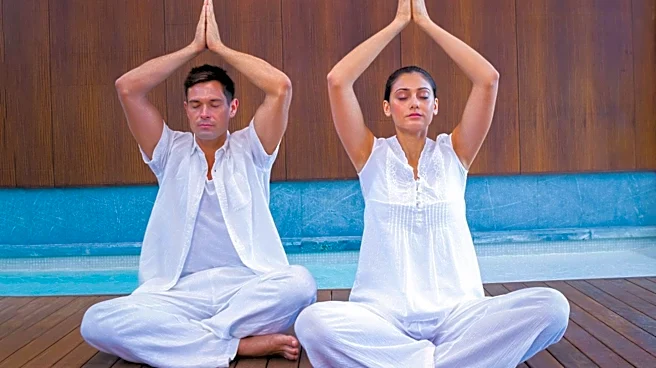
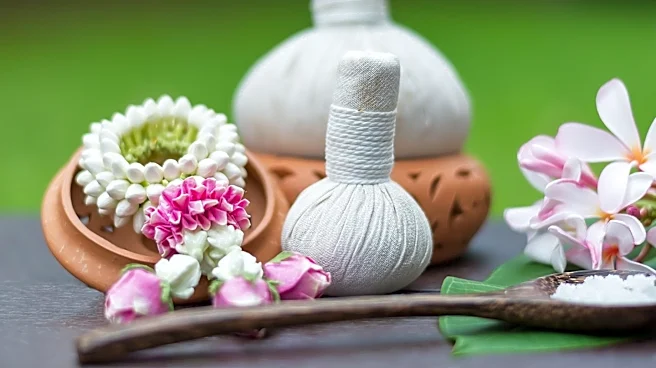
retreats typically feature a daily rhythm that includes early morning light exercise, a main workout session mid-morning, and gentler activities like yoga or mobility work in the late afternoon. The programs offer a wide range of workout options such as strength training, high-intensity interval training (HIIT), beginner-friendly Muay Thai, swimming, stand-up paddleboarding, kayaking, cycling, hiking, beach circuits, and Pilates. Recovery and relaxation are integral, with options like Thai massage, steam rooms, herbal compresses, and quiet time. The food provided is generally fresh, simple, and balanced, often including local Thai dishes. These retreats are designed to be accessible to various fitness levels, with trainers adjusting exercises to individual needs.
Why It's Important?
The rise of fitness retreats in destinations like Thailand reflects a growing global trend in wellness tourism, where individuals seek immersive experiences to improve their health and well-being away from daily distractions. For U.S. consumers, these retreats offer an opportunity to disconnect and focus on personal health goals in a supportive and exotic environment. This trend impacts the travel and hospitality industries, driving demand for specialized wellness packages and destinations. It also highlights a shift in consumer priorities towards holistic health, including physical fitness, mental calm, and nutritional awareness. The structured nature of these retreats can help participants establish healthier habits that they might struggle to maintain in their regular routines, potentially leading to long-term health benefits and a reduced burden on healthcare systems if these habits are sustained.
What's Next?
As the demand for wellness travel continues to grow, more specialized fitness retreats are likely to emerge, offering diverse programs tailored to specific interests and fitness levels. The industry may see an increase in collaborations between fitness professionals, nutritionists, and hospitality providers to create more comprehensive and personalized experiences. There could also be a greater emphasis on integrating local cultural practices, such as traditional Thai massage and mindful living, into retreat programs to enhance the overall wellness experience. Furthermore, as awareness of mental health grows, retreats might increasingly incorporate elements like meditation, breathwork, and stress reduction techniques, moving beyond purely physical fitness to address holistic well-being. The accessibility of these retreats, particularly in terms of travel and program flexibility, will be a key factor in their continued expansion.
Beyond the Headlines
Beyond the immediate health benefits, these fitness retreats tap into a deeper human desire for escape, self-improvement, and connection with nature. The 'digital detox' aspect, where participants step away from constant notifications and responsibilities, addresses a significant modern-day challenge of information overload and burnout. The emphasis on recovery and rest, often overlooked in daily life, underscores a cultural shift towards recognizing the importance of downtime for physical and mental rejuvenation. Ethically, the growth of such retreats raises questions about sustainable tourism and the impact on local communities, particularly in popular destinations like Phuket. Ensuring that these retreats benefit local economies and respect environmental and cultural sensitivities will be crucial for their long-term viability and positive impact. The experience can also foster a sense of community among participants, providing a supportive network for maintaining healthy habits post-retreat.