




What's Happening?
A therapist based in Silicon Valley, Nick Sanchez, is addressing a growing issue of burnout among tech workers, particularly those involved with artificial intelligence (AI). Sanchez, who sees a caseload of high-performing individuals such as business
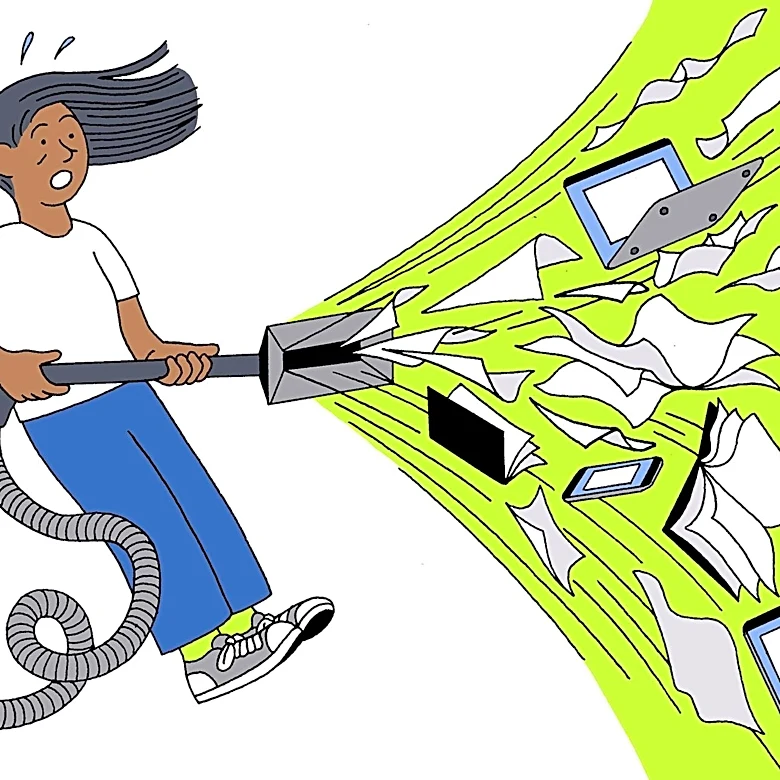
owners and executives, notes that AI burnout is a newer phenomenon. This type of burnout occurs as AI enables deep work on multiple projects simultaneously, leading to attention fragmentation and exhaustion. Sanchez employs exposure therapy techniques to help clients manage burnout, emphasizing the importance of taking breaks and building self-care routines. He highlights that burnout can manifest as a low-grade depression, affecting motivation and joy in activities. Sanchez's approach involves encouraging clients to work smarter rather than harder, and to manage their workload effectively.
Why It's Important?
The issue of burnout, particularly in the tech industry, has significant implications for productivity and mental health. As AI continues to integrate into various work processes, the potential for burnout increases, affecting not only individual well-being but also organizational efficiency. Addressing burnout is crucial for maintaining a healthy workforce capable of sustaining innovation and productivity. The strategies employed by therapists like Sanchez can serve as a model for other industries facing similar challenges. By promoting self-care and smarter work practices, companies can potentially reduce turnover rates and improve employee satisfaction.
What's Next?
As awareness of AI burnout grows, it is likely that more companies will implement strategies to mitigate its effects. This could include offering mental health resources, promoting work-life balance, and encouraging employees to take regular breaks. Additionally, there may be an increased demand for therapists specializing in tech-related burnout. Organizations might also explore technological solutions to help manage workload and prevent burnout, such as AI tools designed to optimize task management and reduce cognitive load.