

What's Happening?
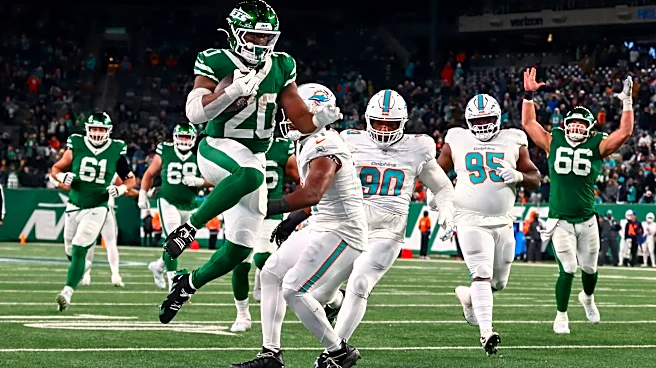
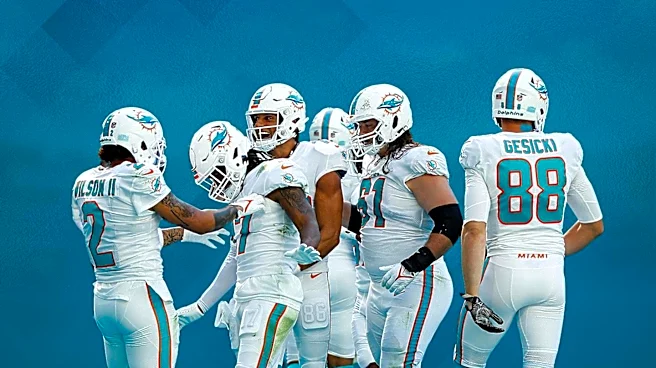
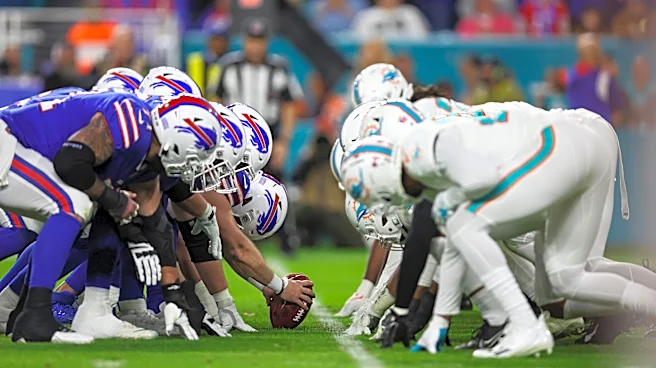
Brooklyn Nets owner Joe Tsai, alongside Blue Pool Capital CEO Oliver Weisberg, has acquired a combined 3% non-controlling interest in the Miami Dolphins. This transaction was part of a larger deal approved at the NFL's December 2024 owners' meeting in Irving,
Texas. Ares Management secured a 10% stake at an $8.1 billion valuation, which includes not only the football franchise but also Hard Rock Stadium and the Formula 1 Crypto.com Miami Grand Prix. This marks one of the NFL's first two private equity transactions, following the league's decision in August 2024 to allow pre-approved private equity funds to purchase minority stakes in teams. The NFL's new rules permit stakes between 3% and 10% per franchise, requiring a minimum of $2 billion in committed capital and a three-fourths vote from existing owners. Stephen Ross, the Dolphins' owner, retains an 84.5% controlling stake and full authority over all football and business operations.
Why It's Important?
This investment signifies a significant shift in the financial landscape of the National Football League (NFL), opening doors for institutional capital to enter team ownership. With average NFL franchise valuations reaching $5.93 billion in 2024, a 15% year-over-year increase, the pool of individual buyers capable of acquiring teams outright has shrunk. Private equity firms and high-net-worth individuals like Joe Tsai are now providing liquidity to existing owners without requiring them to surrender control. This trend is driven by the NFL's $111 billion domestic media rights deal through 2033, which underpins long-term revenue visibility. The inclusion of assets like Hard Rock Stadium and the F1 Miami Grand Prix in the valuation highlights the growing importance of stadium-adjacent assets in multiplying franchise value, creating a more diversified revenue stream beyond traditional football operations.
What's Next?
The NFL's approval of private equity investment is expected to lead to more similar transactions in the future. Four private equity groups have already received NFL Finance Committee approval to invest in franchises, with two having completed transactions and two others awaiting their first NFL deals. The Blackstone-led consortium, approved for up to 12 franchises, is positioned for significant deal flow. This new investment model offers existing team owners a way to monetize a portion of their assets while retaining control, potentially funding new stadium projects or other strategic initiatives. The league will continue to monitor the impact of these investments, particularly regarding the strict limits on PE investors, such as a maximum 10% equity stake, a 6-year minimum hold period, and no voting rights or decision-making authority.
Beyond the Headlines
The entry of private equity into NFL ownership reflects a broader trend in professional sports, where franchises are increasingly viewed as alternative assets with low correlation to traditional equities and bonds. The scarcity value of only 32 NFL franchises, combined with robust media rights deals and diversified revenue streams from stadium assets, makes them attractive investments. This shift could lead to a more institutionalized ownership structure across the league, potentially influencing long-term financial strategies and growth opportunities. It also raises questions about the evolving nature of sports ownership, balancing the traditional individual owner model with the growing influence of large investment firms and high-net-worth individuals seeking passive, yet lucrative, stakes in major sports franchises.