




What's Happening?
A Louisiana judge has granted an injunction for RJ Luis, potentially clearing the way for him to play for the LSU Tigers in the 2026-27 season. This development, confirmed by On3’s Pete Nakos, provides Luis with an avenue to gain an additional year of
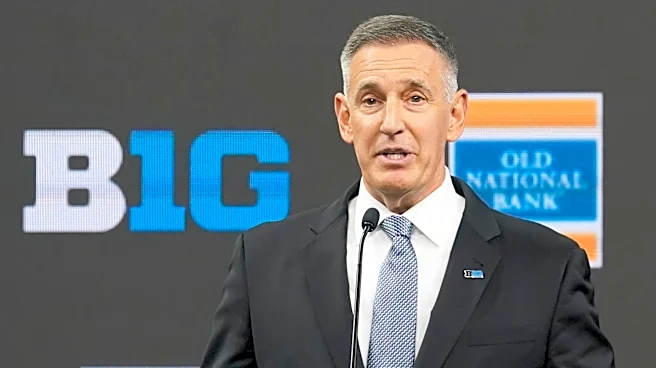
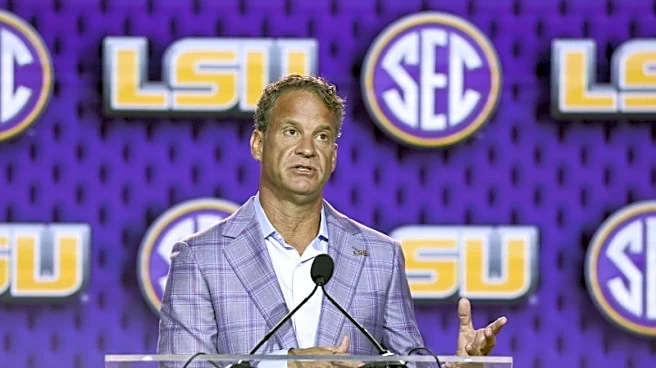
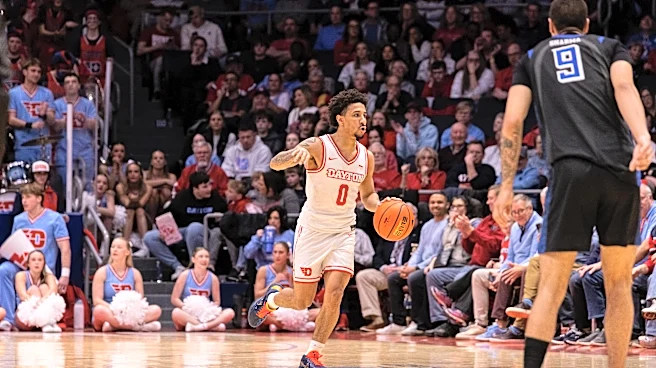
eligibility under Coach Will Wade. Luis, a member of the 2022 recruiting class, previously played for UMass and then St. John’s, where he helped the team win a Big East championship and secure a two-seed in the NCAA Tournament. After entering the 2025 NBA Draft and going undrafted, he signed a two-way contract with the Utah Jazz, was traded to the Boston Celtics, and subsequently waived. His attempt to return to college athletics through the legal system is not unprecedented, as other athletes from his recruiting class have pursued similar paths. SEC Commissioner Greg Sankey has filed an affidavit opposing Luis's eligibility, arguing it would create a 'competitive disadvantage and fundamental unfairness,' citing the importance of aligning college athletics with academic pursuits and preserving opportunities for future student-athletes.
Why It's Important?
This ruling holds significant importance for college athletics, particularly regarding player eligibility and the influence of legal challenges on NCAA and conference regulations. If Luis is ultimately allowed to play, it could set a precedent for other athletes who have had brief professional stints to return to college sports, potentially altering the landscape of recruitment and roster management. For LSU, securing a player of Luis's caliber—who averaged 18.2 points, 7.2 rebounds, and 2.0 assists per game in his last college season and earned second-team All-American honors—would be a major late-offseason acquisition, significantly boosting their competitive outlook. Conversely, SEC Commissioner Greg Sankey's opposition highlights the ongoing tension between individual athlete aspirations and the established rules designed to maintain competitive balance and the integrity of collegiate sports. His affidavit underscores the conference's commitment to existing eligibility standards, suggesting a potential legal battle that could further define the boundaries of athlete movement between professional and collegiate levels.
What's Next?
The immediate next step involves the full implications of the Louisiana judge's injunction and how it will interact with the SEC's stance. While the injunction opens a door for Luis, the opposition from SEC Commissioner Greg Sankey suggests that his eligibility is not yet guaranteed and could face further challenges. LSU will likely work to integrate Luis into their program, assuming the injunction holds and any further legal or administrative hurdles are cleared. The situation may lead to additional legal proceedings or appeals as the SEC seeks to uphold its eligibility rules. This case could also prompt broader discussions within the NCAA and its conferences about the rules governing athletes who attempt to return to college after professional engagements, potentially leading to policy reviews or clarifications. The outcome will be closely watched by other student-athletes, coaches, and athletic departments navigating similar eligibility complexities.
Beyond the Headlines
This case delves into deeper implications concerning the evolving nature of amateurism and professionalism in college sports. The increasing frequency of athletes using legal avenues to challenge eligibility rules reflects a broader shift in how student-athletes perceive their rights and opportunities. It highlights the tension between the traditional NCAA model, which emphasizes academic integration and amateur status, and the modern reality where athletes have more agency and professional aspirations. The involvement of a state judge in overriding conference eligibility rules also raises questions about the jurisdictional boundaries between civil courts and athletic governing bodies. This could lead to a more fragmented regulatory environment where legal rulings in different states create inconsistencies in eligibility standards across the nation. Ultimately, this situation contributes to the ongoing debate about athlete compensation, transfer rules, and the future structure of college athletics, potentially pushing for more comprehensive reforms that address the complex interplay between education, sport, and professional aspirations.