




What's Happening?
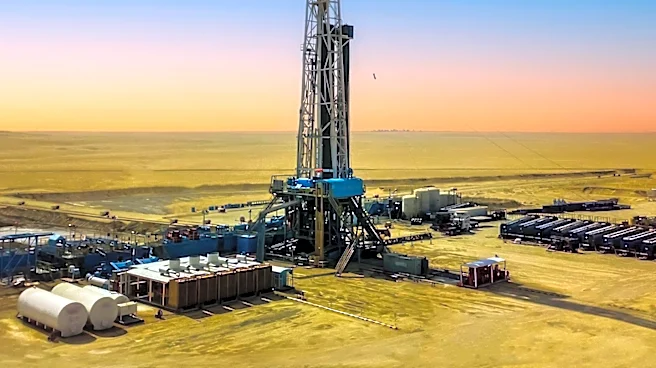
The total number of active drilling rigs for oil and gas in the United States remained unchanged this week, holding at 603, according to new data released by Baker Hughes. This figure represents an increase of 57 rigs compared to the same period last
year. Specifically, the number of active oil rigs saw a slight increase of 2, reaching 462, which is 48 more than a year ago. Conversely, gas rigs decreased by 2 to 130, though this is still 5 more than last year. Miscellaneous rigs stayed constant at 11. Despite the stagnant rig count, weekly U.S. crude oil production rose during the week ending October 23, averaging 13.992 million barrels per day (bpd). This is an increase from 13.269 million bpd the previous week and 348,000 bpd higher than a year ago. Primary Vision’s Frac Spread Count, which estimates the number of crews completing wells, fell for the second consecutive week, losing 5 crews and settling at 194, though this is up 16 year-over-year. The Permian Basin's active drilling rigs remained at 272, 21 rigs above year-ago levels, while the Eagle Ford saw a dip of 1 rig to 50.
Why It's Important?
The stagnation in U.S. drilling rig counts, despite an increase in crude oil production, highlights a complex dynamic within the domestic energy sector. This situation suggests that existing drilling operations are becoming more efficient or that previously drilled wells are being brought online, rather than a significant expansion of new drilling activities. The rise in crude oil production is crucial for U.S. energy independence and global supply, potentially influencing international oil prices and reducing reliance on foreign sources. However, the decline in the Frac Spread Count indicates a potential slowdown in well completion activities, which could impact future production growth if sustained. The stability in key basins like the Permian, alongside a slight dip in others like the Eagle Ford, points to a strategic allocation of resources by drillers, focusing on high-yield areas. This trend has implications for employment in the oil and gas sector, investment in new infrastructure, and the overall economic health of regions heavily dependent on energy production.
What's Next?
The continued monitoring of drilling rig counts and crude oil production will be essential for understanding the future trajectory of the U.S. energy market. If the rig count remains stagnant or declines further while production continues to rise, it could signal a shift towards optimizing existing assets and technologies rather than expanding physical drilling operations. This could lead to increased focus on efficiency gains and technological advancements in extraction. Conversely, a sustained decline in the Frac Spread Count might eventually translate into a deceleration of crude oil production growth, impacting supply forecasts and potentially leading to upward pressure on oil prices. Stakeholders, including energy companies, investors, and policymakers, will be closely watching these metrics to anticipate market shifts, plan capital expenditures, and formulate energy policies. The interplay between global oil prices, which were up on Friday with Brent trading at $117.58 and WTI at $104.13, and domestic production trends will also be a key factor in determining future drilling activity.