







What's Happening?
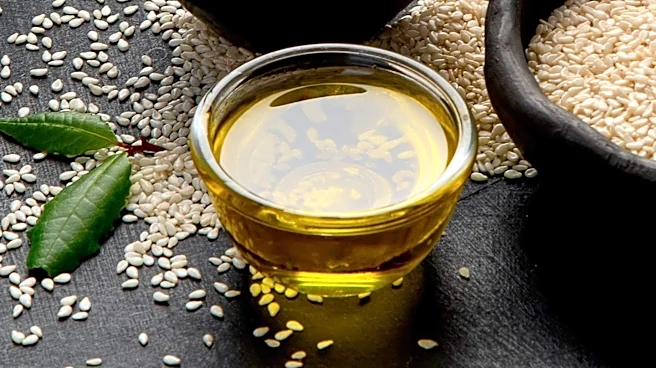
Sesame, scientifically known as Sesamum indicum, is an ancient oilseed plant highly valued in traditional food systems and Ayurvedic practices for its nourishing and strengthening qualities. Its seeds are rich in minerals, healthy fats, and protein, contributing
to a balanced diet. Sesame oil, extracted from the seeds, has a long history of external use in Ayurvedic massage (Abhyanga) and oil application practices for skin nourishment and hair care. Different parts of the sesame plant, including seeds and oil, are recognized for various traditional uses, such as digestive wellness, bone and joint support, and rejuvenative practices. The traditional Ayurvedic use of sesame, known as Tila, and sesame oil, known as Tila Taila, varies based on preparation, plant part, and individual constitution.
Why It's Important?
The traditional and ongoing use of sesame in health and wellness highlights a growing interest in natural and holistic approaches to health in the U.S. As consumers increasingly seek natural ingredients for dietary and personal care needs, sesame's established benefits in Ayurveda and traditional medicine offer a compelling alternative or supplement to conventional products. Its rich nutritional profile, including healthy fats, protein, and minerals, positions it as a valuable ingredient in the food and health industry. Furthermore, its application in cosmetics and skincare, particularly for moisturizing and anti-aging formulations, taps into the expanding market for natural beauty products. This sustained interest can drive further research into its compounds like sesamin and sesamolin, potentially leading to new product developments and health applications.
What's Next?
Continued research into the nutritional and phytochemical profile of sesame is expected, with studies exploring its antioxidant activity, lipid composition, and potential benefits for metabolic and cardiovascular health. As scientific understanding grows, there may be increased integration of sesame-derived ingredients into mainstream health and wellness products in the U.S. The demand for sustainably sourced and non-GMO sesame seeds could also influence agricultural practices and supply chains. Additionally, educational initiatives promoting the traditional uses and modern benefits of sesame may further expand its market presence, encouraging consumers to incorporate it into their diets and personal care routines.
Beyond the Headlines
The enduring relevance of sesame, particularly in Ayurvedic practices, underscores the value of traditional knowledge systems in contemporary health and wellness. It highlights a cultural bridge, bringing ancient practices into modern contexts. The distinction between sesame seeds and sesame oil, and their respective applications, emphasizes the nuanced understanding required for effective use of natural ingredients. This also raises questions about how traditional claims are validated by modern science and the ethical considerations of commercializing traditional knowledge. The plant's versatility, from culinary staple to medicinal and cosmetic ingredient, reflects a holistic view of health where food, medicine, and personal care are interconnected.