







What's Happening?
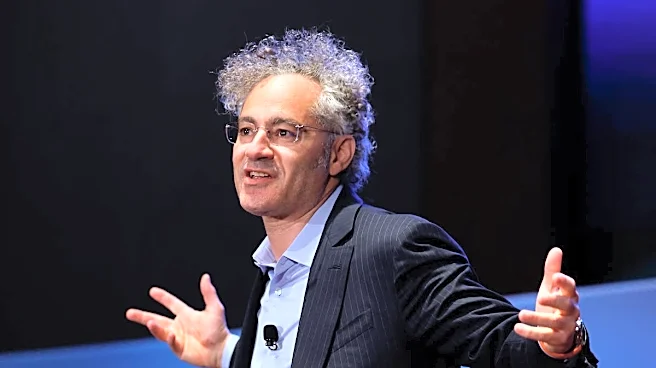
Palantir CEO Alex Karp has publicly criticized the current business model of artificial intelligence (AI) during a recent interview with CNBC. Karp expressed concerns that AI companies are irresponsibly overselling their models, particularly through the sale
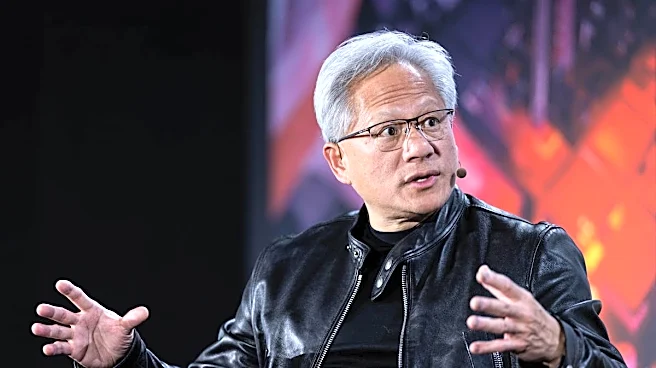
of tokens, which he believes do not provide real value to consumers. He argued that the best use of AI is in closed environments where data security and ownership are clear. Karp emphasized the need to rebuild trust in AI by ensuring transparency about data ownership and usage. He also highlighted the potential dangers of outsourcing critical functions, such as battlefield operations, to AI models developed in Silicon Valley. Karp's comments come as Palantir collaborates with Nvidia to develop open models for U.S. agencies.
Why It's Important?
Karp's critique of the AI business model underscores significant concerns about data security, privacy, and the ethical use of AI technologies. His emphasis on the need for transparency and trust in AI systems is crucial as these technologies become increasingly integrated into various sectors, including national security. The criticism also highlights the potential risks of relying on AI models that may not adequately protect intellectual property or ensure data privacy. This debate is particularly relevant for U.S. enterprises and government agencies that must navigate the balance between innovation and security. Karp's comments may prompt a reevaluation of how AI is marketed and implemented, potentially influencing policy and business strategies.
What's Next?
Following Karp's remarks, there may be increased scrutiny on AI companies and their business practices, particularly regarding data security and the ethical implications of AI deployment. Stakeholders, including government agencies and private enterprises, might push for more stringent regulations and standards to ensure AI technologies are used responsibly. Additionally, the collaboration between Palantir and Nvidia could lead to the development of more secure and transparent AI models, setting a precedent for the industry. The ongoing dialogue about AI's role in critical sectors like national security may also influence future legislative and regulatory actions.