

What's Happening?
Joanna Gaines, a prominent designer, author, and television personality known for the HGTV show 'Fixer Upper,' continues to inspire home decor enthusiasts with her distinctive rustic-chic aesthetic. Her design philosophy emphasizes coziness, comfort,
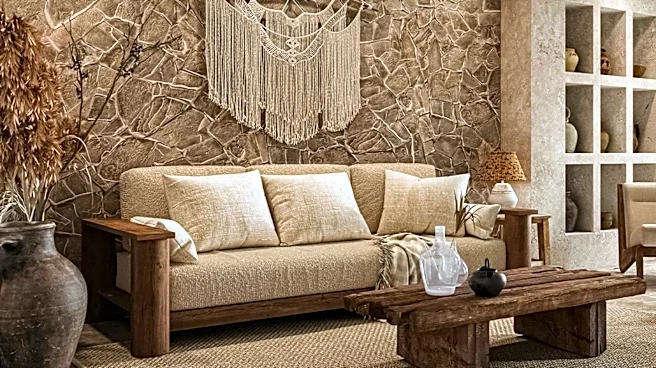
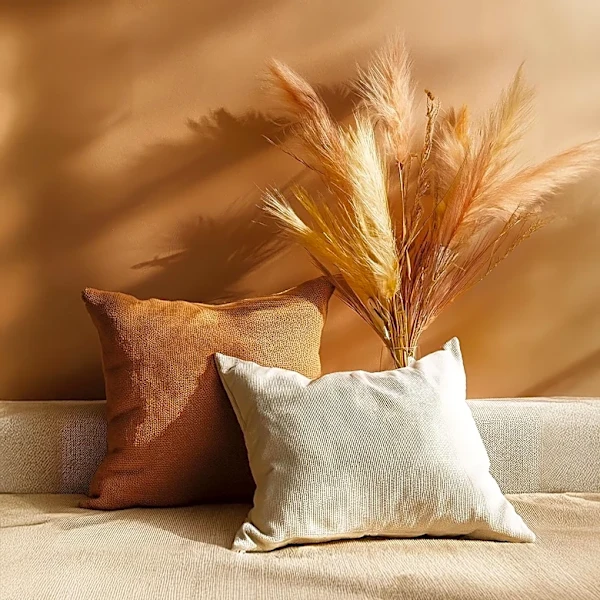
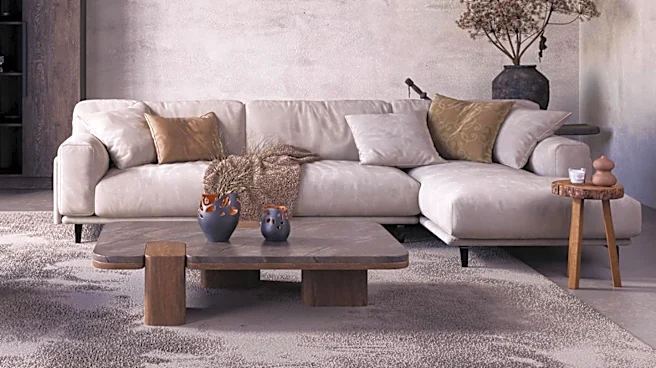
and Southern charm, focusing on creating a personal and inviting living space. Key design principles include the use of natural materials like reclaimed wood, shiplap, brick, and stone, which add unique touches and historical depth to a home. Gaines also advocates for incorporating vintage pieces, such as mid-century modern chairs or vintage rugs, to introduce a unique flair. Furthermore, her approach involves experimenting with bold, rich colors to add personality and depth, and mixing various patterns and textures, like velvet sofas with linen armchairs, to create visual interest and a cozy atmosphere. These elements collectively define the Joanna Gaines-inspired home, making it a popular and accessible design trend for many.
Why It's Important?
The enduring popularity of Joanna Gaines' design aesthetic significantly impacts the U.S. home decor and interior design industries. Her influence drives consumer demand for specific materials and styles, such as reclaimed wood products, vintage furniture, and matte black hardware, affecting manufacturers, retailers, and artisans. The emphasis on DIY projects and upcycling, central to Gaines' philosophy, also empowers consumers to personalize their spaces on a budget, potentially shifting spending patterns towards secondhand markets and craft supplies. This trend fosters a culture of resourcefulness and creativity in home design, making stylish interiors more accessible to a broader audience. For businesses, understanding and adapting to this aesthetic can be crucial for market relevance, while for consumers, it offers a framework for creating comfortable and character-filled homes that reflect individual style without necessarily requiring extensive financial investment.
What's Next?
The continued influence of Joanna Gaines' design principles suggests a sustained demand for rustic-chic and vintage-inspired home decor. We can anticipate further innovation in products that mimic natural textures and offer budget-friendly solutions for achieving this aesthetic. Retailers and designers are likely to continue featuring reclaimed materials, upcycled items, and a blend of bold and neutral color palettes in their offerings. The DIY and secondhand markets are also expected to thrive as consumers seek unique pieces and cost-effective ways to personalize their homes. Additionally, as design trends evolve, there may be subtle shifts or integrations of the rustic-chic aesthetic with other emerging styles, maintaining its relevance while adapting to new preferences. Educational content and workshops on upcycling and DIY home projects may also see increased popularity, further empowering individuals to implement Gaines' design philosophy.
Beyond the Headlines
Beyond its aesthetic appeal, the Joanna Gaines-inspired home design movement reflects broader cultural values in the U.S., particularly a yearning for authenticity, comfort, and a connection to history and nature. In an increasingly digital and fast-paced world, the emphasis on natural materials, vintage items, and handmade craftsmanship offers a sense of grounding and nostalgia. This trend also highlights a growing appreciation for sustainability and resourcefulness, as upcycling and shopping secondhand become integral to achieving the look. Ethically, it encourages conscious consumption by valuing existing items and reducing waste, contrasting with fast-furniture trends. Culturally, it promotes the idea that a home should be a personal sanctuary, reflecting individual stories and values rather than conforming to transient fads. This deeper resonance contributes to its lasting appeal and influence on how Americans perceive and create their living spaces.