







What's Happening?
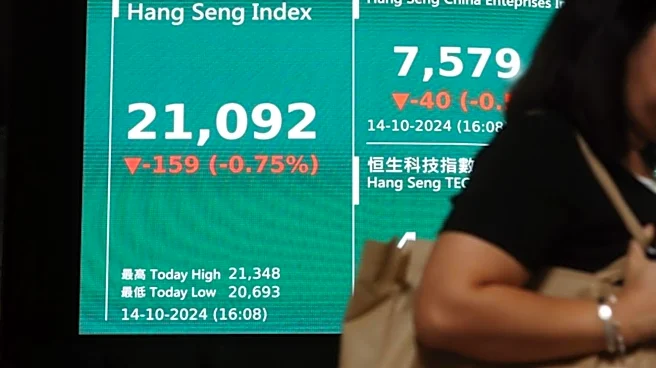
Despite elevated food costs, climbing bond yields, and a downturn in technology stocks, agricultural distributors and farm-equipment manufacturers are demonstrating resilience. These businesses are positioned at the intersection of current economic pressures,
benefiting from increased attention on the supply chains that move seeds, fertilizers, and machinery. The article highlights three specific companies that appear positively exposed to the current market conditions: Dekon Food and Agriculture Group, P/F Bakkafrost, and Asia-potash International Investment (Guangzhou) Co. Ltd. Dekon Food and Agriculture Group, a livestock and poultry breeder, offers direct exposure to food price movements through its pig, poultry, and feed products. P/F Bakkafrost, a vertically integrated salmon producer, provides an aquaculture angle to global protein demand. Asia-potash International Investment (Guangzhou) Co. Ltd, a pure-play potash fertilizer group, is directly tied to fertilizer demand, which is crucial for crop yields and farmer input budgets.
Why It's Important?
The performance of these agricultural stocks is significant as it reflects the underlying strength and critical nature of the food supply chain amidst broader economic volatility. As food prices remain high, businesses involved in agricultural inputs and food production become essential, drawing investor attention away from more volatile sectors like technology. This trend indicates a potential shift in investment focus towards more fundamental and resilient industries. For consumers, the stability and growth of these companies are indirectly linked to the availability and pricing of food products. For the U.S. economy, a robust agricultural sector, supported by strong input and distribution companies, is vital for food security and export revenue. The focus on companies like those in aquaculture and fertilizer production also highlights the diverse components of the agricultural market that are crucial for meeting global food demand and ensuring efficient farming practices.
What's Next?
The trajectory for these agricultural stocks will largely depend on the continued evolution of food prices, farm input costs, and global demand for agricultural products. Investors will closely monitor earnings reports from companies like Dekon Food and Agriculture Group, P/F Bakkafrost, and Asia-potash International Investment (Guangzhou) Co. Ltd to assess how they manage cost pressures and capitalize on demand. Any shifts in global trade policies or agricultural subsidies could also impact their profitability. Furthermore, the ongoing need for resilient food supply chains, driven by population growth and climate change, suggests a sustained demand for the products and services offered by these companies. The development of new agricultural technologies and sustainable farming practices could also present new opportunities or challenges for these firms, influencing their long-term growth prospects and market positioning. The broader economic environment, including interest rate policies and inflation, will continue to play a role in investor sentiment towards these essential businesses.
Beyond the Headlines
Beyond their immediate financial performance, the resilience of these agricultural stocks points to deeper societal and economic trends. The sustained demand for food and agricultural inputs underscores the inelastic nature of basic human needs, making the sector a defensive play during economic uncertainties. This could lead to increased institutional investment in agriculture, potentially driving innovation and consolidation within the industry. Furthermore, the focus on companies involved in fertilizer and aquaculture highlights the growing importance of efficient resource utilization and sustainable food production methods. As global populations grow and environmental concerns mount, businesses that can provide high-yield inputs or alternative protein sources like salmon will become increasingly critical. This trend could also spur greater research and development in agricultural science, aiming to enhance productivity while minimizing environmental impact, thereby shaping the future of food systems globally.