





What's Happening?
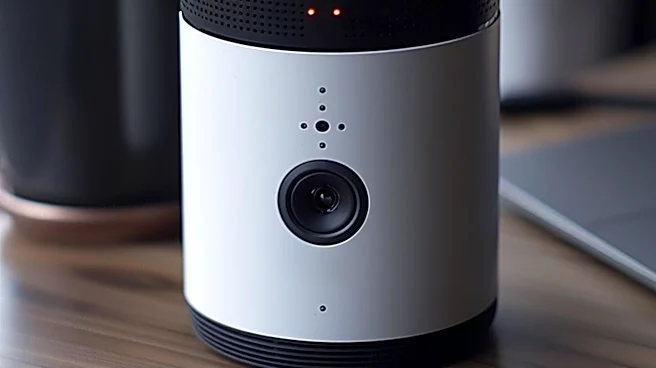
The necessity of a smart home security system is being evaluated, with experts suggesting it's worth considering for those requiring remote alerts, video verification, temporary access codes, connected automation, or professional monitoring. While a smart system offers
advanced features like checking property remotely and controlling locks via a phone, it's not universally essential. For instance, if the primary concern is a weak front door or poor exterior lighting, addressing these physical vulnerabilities might be more effective than installing a new camera. However, for individuals who travel frequently, manage access for multiple people, or need professional monitoring, a smart system can provide significant benefits. The decision hinges on whether smart features solve a security problem that simpler equipment cannot address as conveniently or reliably.
Why It's Important?
The discussion around smart home security systems is crucial for U.S. consumers navigating an increasingly complex market of home protection solutions. Understanding when a smart system is truly beneficial versus when traditional methods suffice can save homeowners unnecessary expenses and ensure effective security. This distinction impacts the consumer electronics market, influencing demand for smart devices and professional monitoring services. For the security industry, it highlights the need for clear communication about product capabilities and the importance of tailoring solutions to individual needs. Homeowners stand to gain by making informed decisions that align with their specific security concerns and lifestyle, potentially leading to more efficient resource allocation for home safety.
What's Next?
As smart home technology continues to evolve, there will likely be a greater emphasis on integrated systems that offer seamless functionality and user-friendly interfaces. The market may see an increase in customizable security packages that allow homeowners to select features based on their specific requirements, rather than opting for one-size-fits-all solutions. Furthermore, the debate between self-monitoring and professional monitoring will likely intensify, with providers offering more flexible plans to cater to diverse preferences. There could also be a push for enhanced cybersecurity measures within smart home devices to address privacy concerns and protect sensitive data, as these systems become more prevalent in U.S. households.
Beyond the Headlines
The proliferation of smart home security systems raises deeper questions about data privacy and the balance between convenience and security. As these systems collect more personal data, including video and access logs, the ethical implications of data storage, access, and potential misuse become more significant. There's also the potential for a digital divide, where access to advanced security features might be limited to those who can afford the technology and ongoing subscription costs. This could lead to disparities in home protection, impacting different socioeconomic groups. The integration of smart security into daily life also prompts a re-evaluation of traditional notions of home and privacy, as technology increasingly mediates our interactions with our living spaces.