







What's Happening?
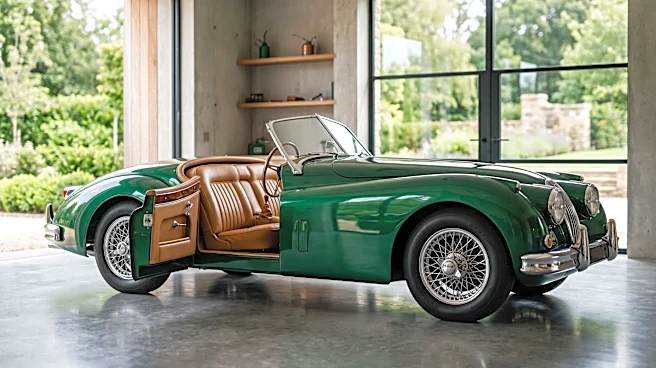
Chubb is providing specialized insurance for classic cars, emphasizing that these unique vehicles require different coverage than standard automobiles. The company highlights that a typical auto insurance policy is designed for daily-driven vehicles that depreciate
over time. In contrast, classic cars often appreciate in value, are used less frequently, and require meticulous maintenance. Chubb's classic car insurance offers 'agreed value coverage,' specialist claims handling, and expertise tailored for collectors. This specialized approach aims to protect the significant investment and care owners put into their vintage European roadsters, fully restored muscle cars, or limited-edition collector vehicles. The company stresses that applying standard car insurance to a classic vehicle can lead to a potential coverage gap and significant financial loss.
Why It's Important?
This specialized insurance offering from Chubb is important for the U.S. classic car market and its owners. The distinction between classic and standard car insurance addresses a critical need for collectors, who often face unique risks and valuation challenges. Standard policies may not adequately cover the appreciating value of classic cars, potentially leaving owners underinsured in the event of damage or theft. Chubb's 'agreed value coverage' ensures that owners are compensated for the true market value of their vehicle, rather than a depreciated amount. This not only provides financial security but also encourages the preservation of automotive history by making ownership less financially precarious. For the insurance industry, it signifies a growing recognition of niche markets and the need for tailored products beyond conventional offerings, potentially influencing other insurers to develop similar specialized coverages.
What's Next?
The availability of specialized classic car insurance from providers like Chubb is likely to encourage more classic car owners to review their current policies and consider switching to coverage that better suits their vehicles' unique characteristics. This could lead to increased competition in the niche classic car insurance market, potentially driving other insurers to enhance their offerings or introduce new specialized products. Furthermore, it may prompt greater awareness among collectors about the limitations of standard auto insurance for their valuable assets. Educational campaigns from insurers and classic car associations could further highlight the benefits of specialized coverage, leading to a more informed and better-protected classic car community in the U.S.
Beyond the Headlines
The emphasis on specialized classic car insurance reflects a broader trend in the U.S. towards bespoke insurance solutions for high-value or unique assets. This goes beyond just vehicles, extending to art collections, rare wines, and other collectibles. It underscores a shift in the insurance industry to move away from one-size-fits-all policies and towards more granular, risk-specific coverage. This evolution is driven by the increasing diversification of personal wealth and the growing appreciation of non-traditional assets. Ethically, it raises questions about equitable access to such specialized coverage, ensuring that all collectors, regardless of the size of their collection, can adequately protect their investments. Legally, it could lead to more refined definitions and regulations surrounding the valuation and insurance of classic and collectible items.