



What's Happening?
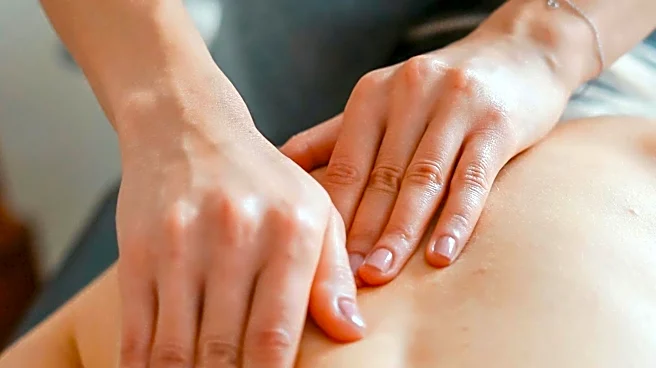
Lymphatic drainage massage, a gentle technique involving light, rhythmic movements to direct lymphatic fluid towards lymph nodes, is gaining significant attention, particularly on social media platforms like TikTok. Celebrities such as Hailey Bieber and
Dua Lipa have publicly endorsed the practice, contributing to its increased presence on spa menus. However, experts suggest that for the average active individual, the body's lymphatic system, which is crucial for waste disposal and toxin elimination, functions adequately without external intervention. Unlike blood circulation, lymph flow relies on physical movement, as it lacks a central pump like the heart. While beneficial for individuals with diagnosed lymphedema or swelling due to lymph node damage, surgery, trauma, or reduced movement, its effectiveness for general detoxification or cosmetic purposes, such as 'flattening' the stomach, is questioned. The massage is distinct from deep tissue massage, which targets sore muscles, and its gentle nature may lead to underwhelming results for those without specific medical conditions requiring lymphatic support.
Why It's Important?
The rising popularity of lymphatic drainage massage, fueled by celebrity endorsements and social media trends, highlights a broader consumer interest in wellness and detoxification. This trend can influence spa and wellness industry offerings, potentially leading to increased demand for specific treatments, regardless of their scientifically proven efficacy for the general population. For individuals with genuine medical needs, such as lymphedema patients, the increased awareness could be beneficial, potentially leading to more accessible services. However, for those seeking cosmetic benefits or general 'detox,' investing in these massages might not yield the desired results, representing a financial expenditure without significant physiological benefit. It also underscores the impact of influencer culture on health and wellness choices, prompting a need for critical evaluation of such trends by consumers and healthcare providers alike. The distinction between medically necessary treatments and elective wellness services becomes crucial in this context.
What's Next?
As the trend continues, it is likely that more spas and wellness centers will incorporate lymphatic drainage massage into their service offerings to meet consumer demand. This may also lead to an increase in specialized training for massage therapists in this technique. Concurrently, there may be a growing need for clearer communication from healthcare professionals and wellness experts regarding the specific indications and limitations of lymphatic drainage massage. Consumers might become more discerning, seeking evidence-based information before committing to such treatments. The ongoing discussion around its efficacy could also spur further scientific research into the broader benefits and applications of lymphatic drainage, beyond its established role in managing lymphedema. Educational initiatives could help differentiate between therapeutic applications and general wellness claims, guiding consumers toward more informed decisions.
Beyond the Headlines
The widespread adoption of lymphatic drainage massage as a wellness trend reflects a societal inclination towards quick-fix solutions for health and aesthetic concerns, often amplified by social media. This phenomenon raises questions about the responsibility of influencers in promoting health-related practices and the critical thinking skills of consumers in evaluating such claims. Ethically, wellness providers face the challenge of balancing client demand with evidence-based practice, ensuring that services offered are genuinely beneficial or at least not misleading. Legally, there could be implications if unsubstantiated health claims are made, potentially leading to regulatory scrutiny. Culturally, it points to a broader fascination with 'detox' and body optimization, often driven by aesthetic ideals. This trend also highlights the ongoing tension between traditional medical understanding and alternative wellness practices, underscoring the need for a more integrated approach to health education that empowers individuals to make informed choices.