




What's Happening?
Berenberg has downgraded AST SpaceMobile's stock from Buy to Hold and significantly cut its price target from $92 to $30. This decision, announced on November 27, stems primarily from ongoing delays in satellite launches. The bank initially began covering
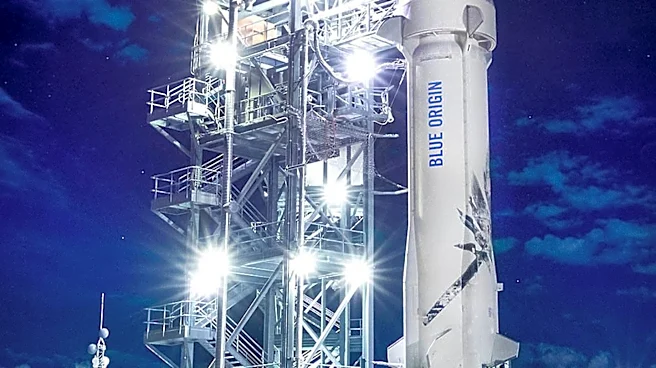
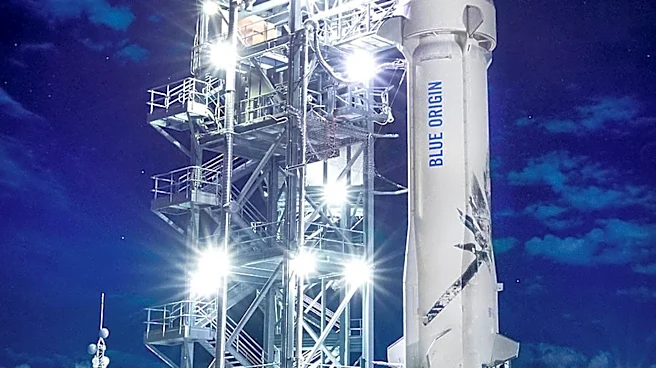
AST SpaceMobile with a Buy rating on September 2 but now acknowledges that the call was 'too early.' Analyst Michael Filatov noted that while the technology is promising, the company's path to scaling its network is dependent on launch capacity that AST SpaceMobile does not control. Berenberg's revised model now anticipates AST SpaceMobile completing its funded fleet of approximately 100 satellites by 2028, with free cash flow not expected to turn positive until 2030. This is a significant shift from previous assumptions of a faster build-out towards 248 satellites. The company has faced setbacks, including a Blue Origin New Glenn rocket explosion during an engine test in May, which has delayed subsequent launches. Additionally, an earlier incident in April saw AST's BlueBird 7 satellite placed in an orbit too low to sustain operations, requiring its deorbiting. These launch issues have directly impacted AST SpaceMobile's deployment schedule, pushing its goal of having about 45 satellites in orbit from 2026 to mid-2027.
Why It's Important?
This downgrade from Berenberg highlights the critical dependency of space-based technology companies like AST SpaceMobile on external launch providers and the inherent risks associated with space operations. The revised financial projections, pushing positive free cash flow to 2030, could impact investor confidence and the company's ability to secure future funding, despite having substantial cash reserves. The volatility in AST SpaceMobile's stock, which has fallen significantly from its May high, reflects market sensitivity to operational delays and the long lead times required for satellite deployment. For the broader telecommunications and space industries, these developments underscore the challenges of building out ambitious infrastructure projects that rely on complex and often unpredictable launch schedules. The situation also brings into focus the competitive landscape of rocket manufacturers and the ripple effects that launch failures or delays can have on their clients' business models and market valuations. Investors in the space sector will likely scrutinize launch contracts and backup plans more closely, recognizing that even well-funded companies with innovative technology can be hampered by factors outside their direct control.
What's Next?
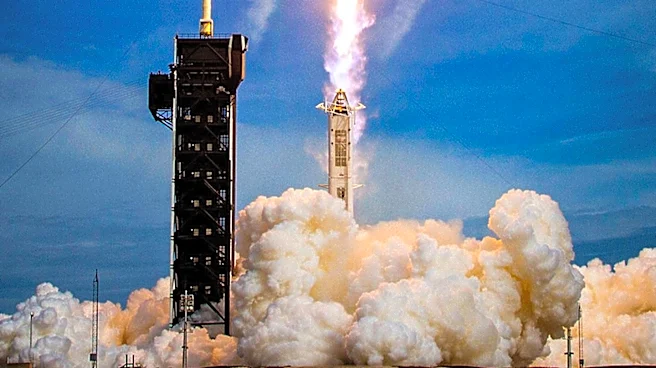
AST SpaceMobile's immediate future hinges on the successful and timely launches of its BlueBird satellites. The company has BlueBirds 14 to 16 awaiting a SpaceX launch and BlueBirds 17 to 19 scheduled to fly on New Glenn in early Q1 2027. Blue Origin's New Glenn rocket, which AST SpaceMobile has booked for a series of launches, is now targeting a return to flight in January, a critical milestone for AST's deployment schedule. Any further delays from Blue Origin or other launch providers could lead to additional revisions in AST SpaceMobile's timelines and financial forecasts. The company is expected to report its next earnings in early March, which will provide an update on its progress and potentially new launch schedules. Berenberg has indicated that a successful New Glenn return could prompt a re-evaluation of its rating, while further failures or prolonged delays would likely lead to more downside. Meanwhile, other analysts have also adjusted their price targets, with some trimming their numbers while others, like B. Riley, have upgraded the stock, suggesting a divided outlook on the company's near-term prospects. The high short interest in AST SpaceMobile's stock suggests continued volatility in response to news regarding launch dates and operational milestones.
Beyond the Headlines
The challenges faced by AST SpaceMobile extend beyond immediate financial metrics and launch schedules, touching upon broader themes of technological innovation, global connectivity, and the commercialization of space. The company's vision of providing direct-to-standard-smartphone broadband from space represents a significant leap in telecommunications, potentially bridging the digital divide in underserved regions globally. However, the current setbacks highlight the immense technical and logistical hurdles in realizing such ambitious projects. The reliance on a nascent commercial space launch industry, which itself is prone to developmental delays and failures, introduces a layer of systemic risk for companies building space-based infrastructure. This situation could prompt a re-evaluation of supply chain resilience within the space sector, encouraging companies to diversify launch providers or even invest in proprietary launch capabilities, as AST SpaceMobile is doing with its Blacklift rocket, albeit with a later launch target of late 2028. Furthermore, the market's reaction to these delays underscores the tension between long-term disruptive potential and short-term operational realities, influencing how investors perceive and value high-growth, capital-intensive ventures in the new space economy.