



What's Happening?
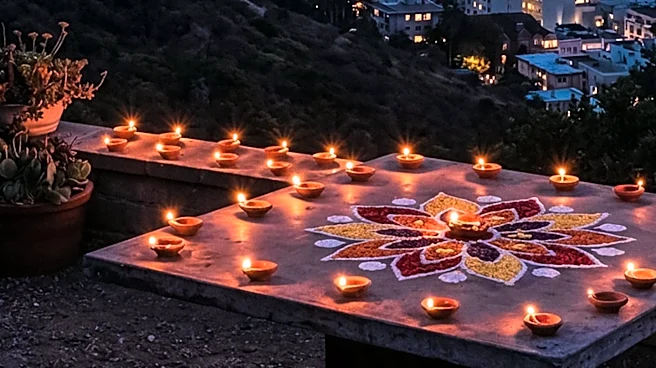
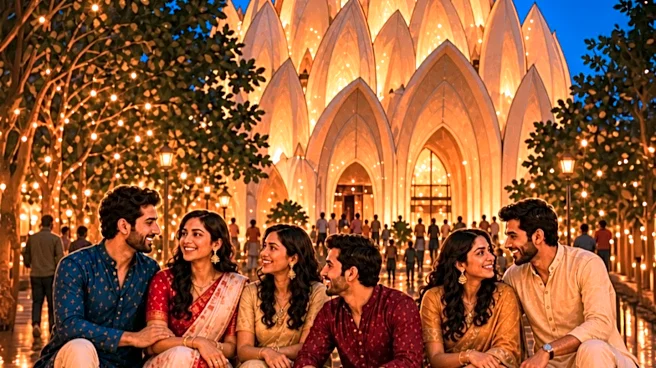
San Francisco City Hall hosted its first-ever Diwali celebration on November 4, 2026, an event that brought together Indian and American dignitaries, city officials, and community leaders. The celebration, organized by Indiaspora, aimed to mark the Festival
of Lights and acknowledge the cultural contributions of the Indian-American community. Attendees included India's Consul General in San Francisco, Satish Sivan, San Francisco Mayor Daniel Lurie, and Indiaspora founder MR Rangaswami. The Consulate General of India in San Francisco described the event as a historic occasion, bringing Diwali traditions to the heart of the city. The festivities featured a ceremonial lamp-lighting ceremony, symbolizing the spirit of Diwali, along with traditional dance performances. Photographs from the event showed dignitaries at the podium with Indian and American flags, group portraits on City Hall's grand staircase, and a large gathering enjoying the performances. This celebration precedes the main Diwali festival day, which falls on November 8, 2026, determined by the Amavasya Tithi in the Hindu lunar month of Kartik.
Why It's Important?
This inaugural Diwali celebration at San Francisco City Hall signifies a significant recognition of the growing cultural influence and contributions of the Indian-American community within the city. By hosting such an event, the city government, led by Mayor Daniel Lurie, is actively fostering inclusivity and celebrating the diverse heritage of its residents. This initiative strengthens cultural ties between India and the United States at a local level, potentially encouraging further cross-cultural exchanges and understanding. For the Indian-American community, it represents a landmark moment of visibility and validation of their traditions within the civic sphere. The event also highlights the importance of cultural diplomacy, as it was attended by India's Consul General, underscoring the diplomatic significance of such community engagements. This could set a precedent for other major U.S. cities to host similar cultural celebrations, further integrating diverse communities into the broader civic fabric.
What's Next?
The successful execution of San Francisco's first Diwali celebration could pave the way for it to become an annual tradition, further solidifying the city's commitment to cultural diversity. Future celebrations might see increased participation from various community organizations and potentially expand in scope and scale. This event may also inspire other U.S. cities with significant Indian-American populations to initiate similar official celebrations, thereby broadening the recognition of Diwali across the nation. From a diplomatic perspective, such events can continue to strengthen bilateral relations between India and the United States, fostering goodwill and mutual understanding. Community leaders and organizations like Indiaspora will likely continue to advocate for and support these types of cultural initiatives, ensuring their longevity and impact. The positive reception of this event suggests a growing appetite for inclusive cultural programming within municipal governments.
Beyond the Headlines
The decision by San Francisco City Hall to host its first Diwali celebration reflects a broader demographic and cultural shift in the United States, where Asian-American communities, including Indian-Americans, are becoming increasingly prominent. This event is not merely a cultural festivity but a symbolic gesture of evolving civic identity, where traditional American holidays are being augmented by celebrations from diverse communities. It underscores a move towards a more pluralistic society where multiple cultural narratives are acknowledged and celebrated by official institutions. Ethically, it promotes a sense of belonging and respect for all residents, reinforcing the idea that cultural heritage is a valuable asset to the city's identity. Legally, while not directly impacting legislation, such events contribute to a social environment that supports diversity and inclusion, potentially influencing future policy decisions related to cultural affairs and community engagement.