

What's Happening?
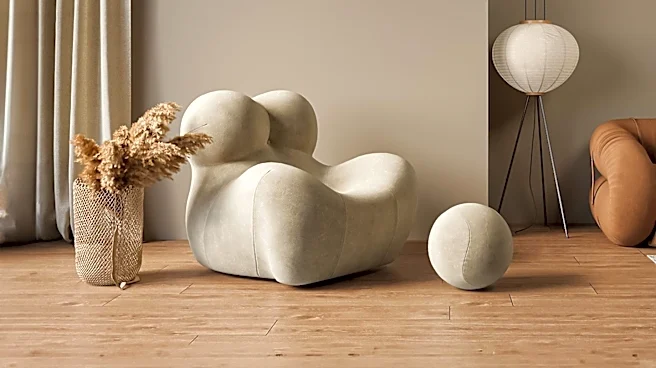
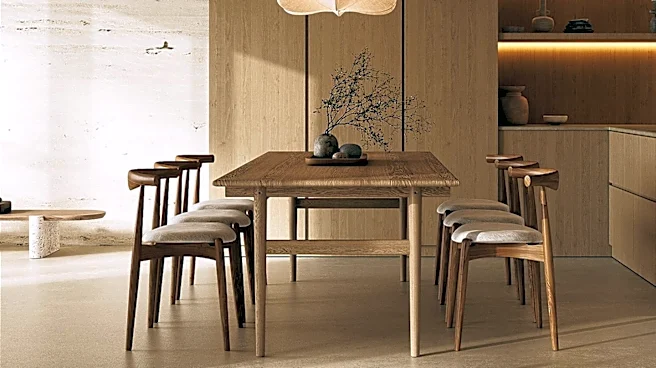
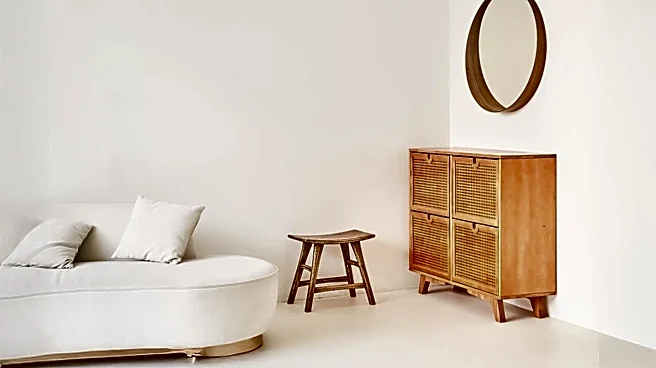
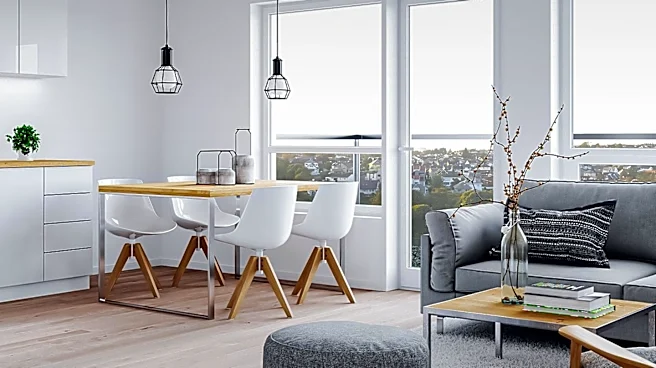
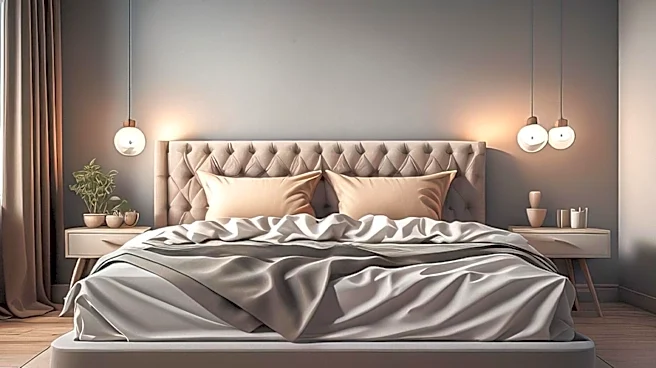
Scandinavian minimalism is a design philosophy that prioritizes simplicity, functionality, and the use of natural materials. This aesthetic is characterized by clean lines, light colors, and natural textures such as wood and linen. In minimalist bathrooms,
this translates to features like floating vanities, textured towels, simple potted plants, and natural wood frames. The design style, which draws inspiration from Sweden, Norway, and Denmark, focuses on light wood finishes and abundant natural lighting. Minimalist lamps often incorporate geometric shapes, neutral colors, and materials like metal, glass, or concrete. This design approach is also being applied to various products and spaces, from smartphone designs to villas and mobile home remodels, aiming to create bright, calm, and welcoming environments.
Why It's Important?
The growing emphasis on Scandinavian minimalism in design reflects a broader societal trend towards decluttering and valuing functionality and natural elements in living and working spaces. This design philosophy offers practical benefits, particularly for smaller living areas, as it helps create a sense of spaciousness through lower furniture profiles, neutral palettes, and fewer layered elements. For consumers, this means access to products and interior design solutions that promote a serene and organized environment. For businesses in the furniture, home decor, and even technology sectors, understanding and incorporating Scandinavian minimalist principles can lead to products that resonate with a significant portion of the market seeking both aesthetic appeal and practical utility. The focus on natural materials also aligns with increasing consumer demand for sustainable and eco-friendly options.
What's Next?
The influence of Scandinavian minimalism is likely to continue expanding across various industries. In interior design, AI tools are increasingly incorporating this style, allowing users to visualize and plan spaces with minimalist aesthetics. This technological integration will make it easier for individuals to adopt Scandinavian design principles in their homes, even in small apartments. Manufacturers of furniture and home goods will likely continue to produce items that align with these trends, focusing on clean lines, natural materials, and multi-functional designs. The integration of Scandinavian minimalism with other styles, such as Mediterranean outdoor living in architectural projects, suggests a future where these core principles are adapted and combined to meet diverse regional and lifestyle preferences, further solidifying its presence in global design trends.
Beyond the Headlines
Beyond its aesthetic appeal, Scandinavian minimalism embodies a cultural shift towards intentional living and a rejection of excessive consumerism. The emphasis on functionality and durability encourages consumers to invest in fewer, higher-quality items, potentially leading to a more sustainable consumption model. This design philosophy also promotes mental well-being by creating calm and uncluttered environments, which can reduce stress and enhance focus. The integration of natural light and materials connects inhabitants with the outdoors, fostering a sense of harmony and tranquility. As technology advances, particularly in AI-driven design, the accessibility of creating such environments will increase, potentially democratizing high-quality, thoughtful design and making its benefits available to a wider audience, thereby influencing lifestyle choices and consumer values on a broader scale.