

What's Happening?
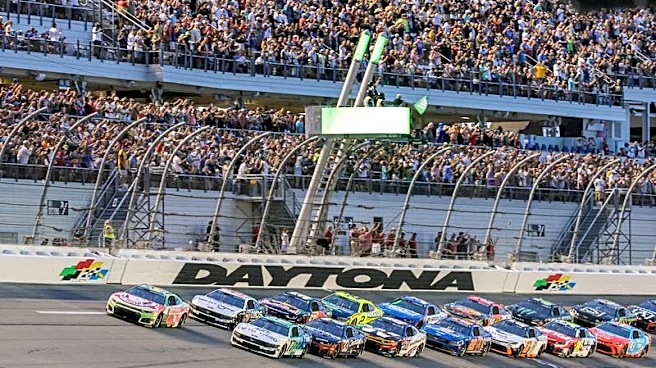
Dodge's anticipated return to the NASCAR Cup Series in 2027 has ignited speculation regarding potential drivers for the Daytona 500. Kaulig Racing is reportedly exploring the possibility of fielding a third entry for the event, with two prominent names
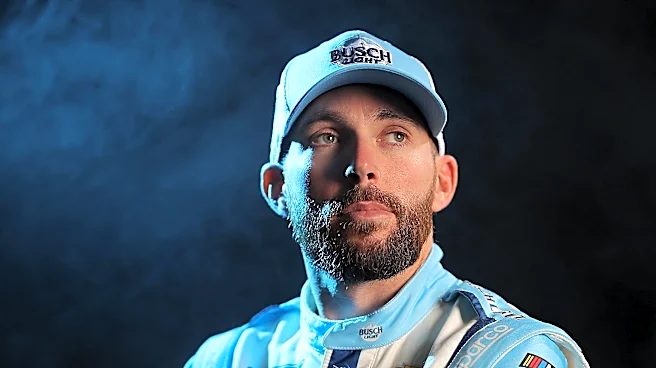
emerging in discussions: Tony Stewart and Brad Keselowski. While neither driver has been confirmed, the prospect of a former Cup Series champion driving a Dodge for its comeback is a significant storyline. Brad Keselowski has a notable history with Dodge, having secured the manufacturer's most recent Cup Series championship in 2012 before their departure. The Athletic's Jordan Bianchi addressed the possibility of Keselowski's involvement, noting his star power. However, Kaulig Racing CEO Chris Rice stated that discussions with Keselowski have not occurred beyond social media speculation. Tony Stewart, a three-time Cup Series champion who retired from NASCAR in 2016, is considered unlikely to participate due to his NHRA commitments, according to Bianchi. Kaulig Racing's immediate priority is securing a third Dodge entry for Daytona, alongside their full-time drivers, AJ Allmendinger and Ty Dillon.
Why It's Important?
Dodge's re-entry into NASCAR after a significant absence marks a pivotal moment for the sport, potentially reshaping manufacturer rivalries and fan engagement. The return of a major automotive brand like Dodge can inject new financial investment and technological innovation into the Cup Series, benefiting teams, drivers, and the overall competitive landscape. The speculation surrounding high-profile drivers like Tony Stewart and Brad Keselowski amplifies the excitement, drawing increased media attention and fan interest to the 2027 season, particularly the Daytona 500. For Kaulig Racing, securing a third entry with a marquee driver could significantly elevate their team's profile and competitive standing. Keselowski's potential reunion with Dodge would evoke a strong sense of nostalgia and narrative continuity for long-time fans, while Stewart's hypothetical return, even for a single race, would be a major draw. This development underscores the strategic importance of manufacturer presence and star power in maintaining NASCAR's appeal and commercial viability.
What's Next?
Kaulig Racing's immediate next step involves finalizing plans for a third Dodge entry in the Daytona 500, which requires coordination with Dodge and Matt. While discussions with Brad Keselowski are not currently active, the possibility remains open depending on his 2027 plans and any future developments. Tony Stewart's participation is largely ruled out due to his existing NHRA commitments. The focus will likely shift to identifying other potential drivers who could bring a significant impact to Dodge's return. The official announcement of Dodge's full driver lineup and team affiliations for the 2027 season will be a key event, as will any further details regarding Kaulig Racing's third car. The broader NASCAR community will be watching closely to see how Dodge's return influences team alliances, driver movements, and the competitive balance of the Cup Series in the lead-up to the 2027 Daytona 500.
Beyond the Headlines
Dodge's return to NASCAR extends beyond mere competition; it represents a significant strategic move in the automotive industry's marketing and brand positioning. Motorsports, particularly NASCAR, offer a powerful platform for manufacturers to showcase performance, innovation, and brand identity to a vast consumer base. This comeback could signal a renewed commitment from Stellantis (Dodge's parent company) to performance-oriented vehicles in the U.S. market, potentially influencing future product development and marketing campaigns. The narrative of a returning champion driver like Keselowski with the brand he previously brought success to adds a compelling human interest element, deepening fan connection. Furthermore, the financial implications for NASCAR are substantial, as increased manufacturer involvement often leads to greater sponsorship opportunities, technological advancements, and overall growth for the sport. This move could also inspire other manufacturers to consider or re-evaluate their participation in top-tier racing series, fostering a more competitive and dynamic motorsports landscape.