





What's Happening?
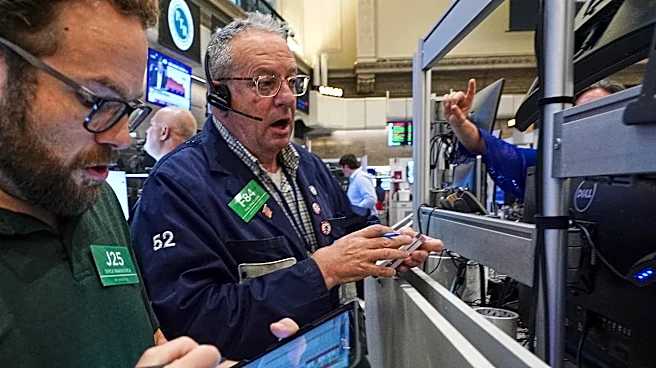
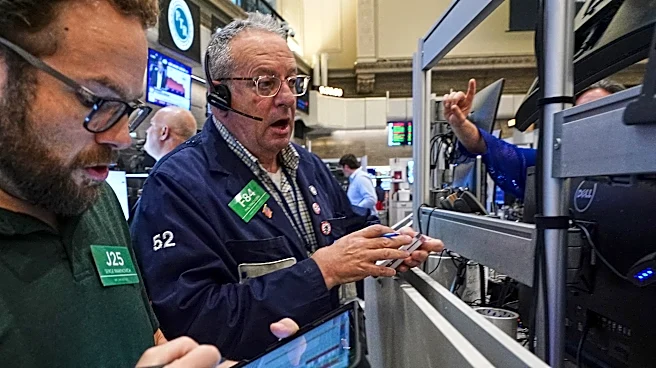
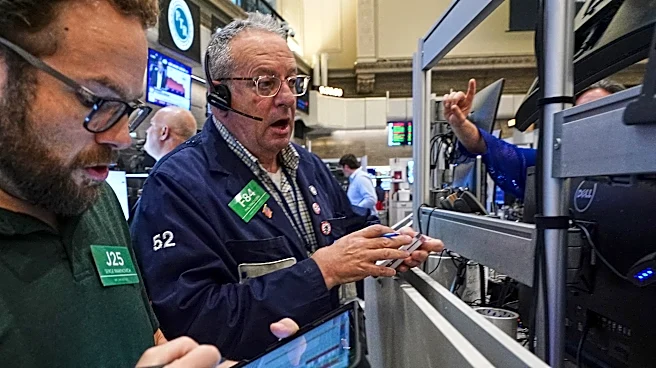
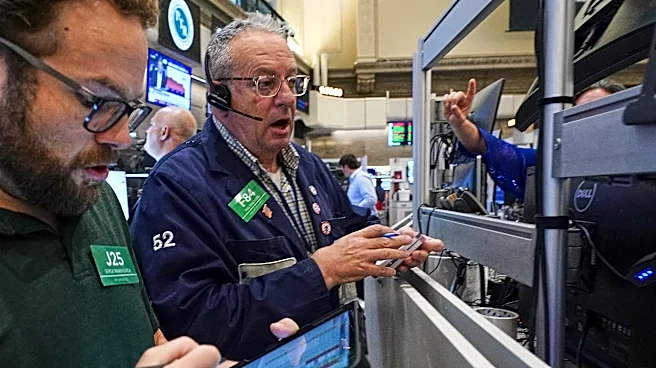
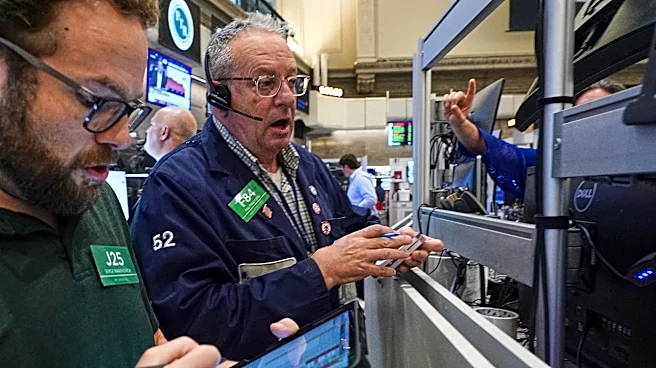
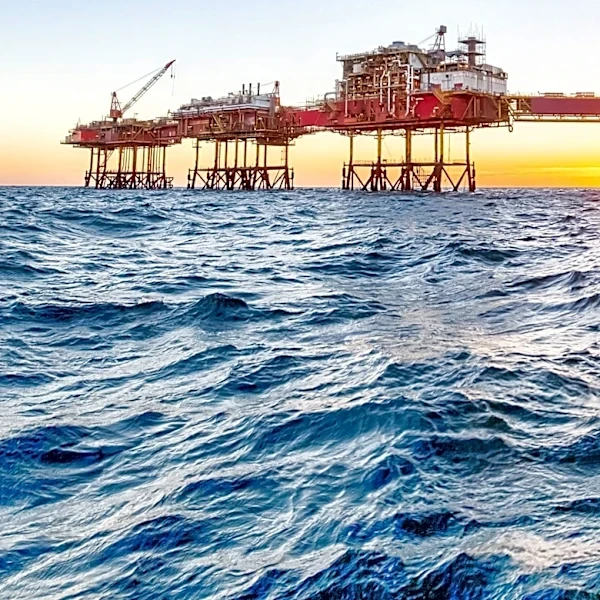
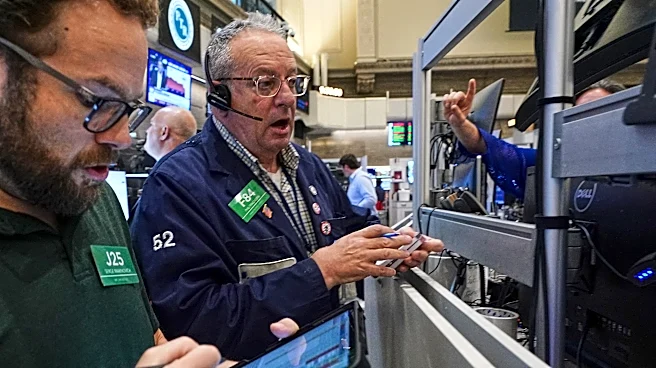
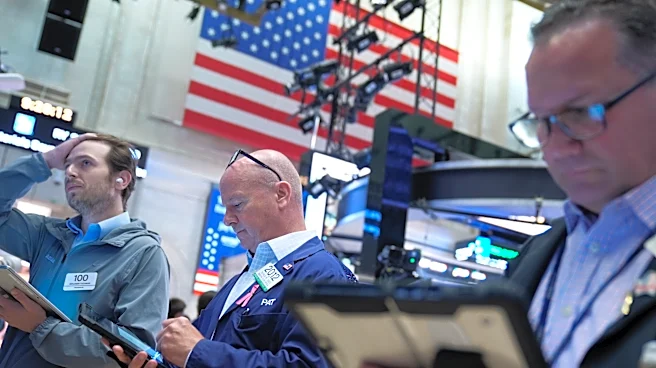
U.S. stock markets fell as President Trump declared the ceasefire with Iran was over, leading to a sharp increase in oil prices. The Dow Jones Industrial Average dropped by 1.09%, or 500 points, while the S&P 500 saw a small loss and the Nasdaq rose slightly.
The Federal Reserve flagged concerns that could warrant higher interest rates, adding to market volatility. The economic impacts of the Iran conflict have reverberated globally, with the International Monetary Fund lowering its global economic growth forecast. U.S. gas prices remain high, and the potential for interest rate hikes poses challenges for economic stability.
Why It's Important?
The escalation in U.S.-Iran tensions and the potential for higher interest rates have significant implications for global markets and economic stability. Rising oil prices could lead to increased costs for consumers and businesses, impacting inflation and economic growth. The Federal Reserve's response to these developments will be critical in shaping monetary policy and maintaining market stability. The situation highlights the interconnectedness of global markets and the potential for geopolitical events to influence economic outcomes. Policymakers and investors will need to navigate these uncertainties while assessing the risks and opportunities presented by these dynamics.
What's Next?
Market participants will be closely watching the Federal Reserve's upcoming decisions on interest rates, as well as any further developments in U.S.-Iran relations. The potential for additional military actions or diplomatic negotiations will be key factors in determining the future trajectory of global markets. Investors will need to remain vigilant in assessing the risks and opportunities presented by these geopolitical dynamics, while policymakers will face challenges in balancing economic growth with inflationary pressures.