







What's Happening?
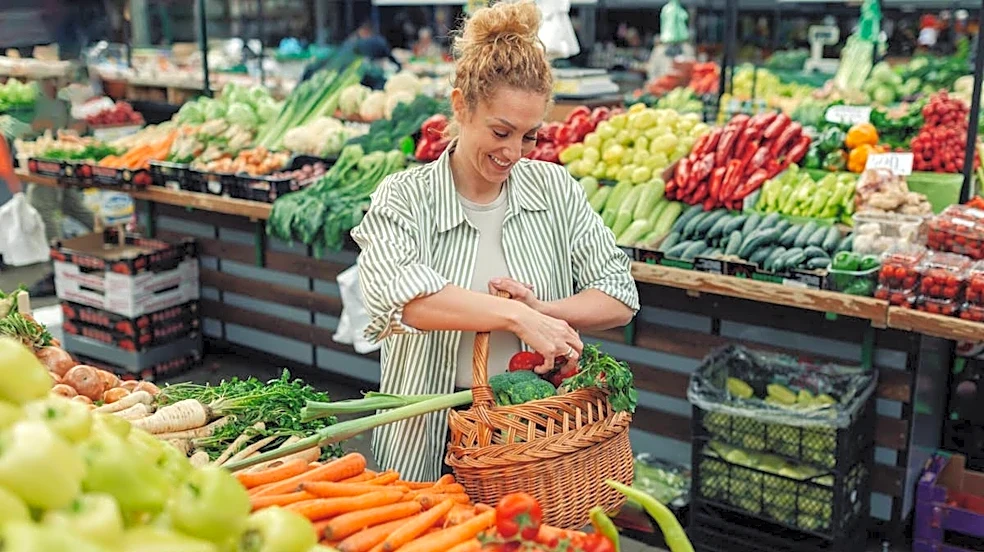
Prisco's Family Market in Aurora, Illinois, is celebrating its 100th anniversary, a significant milestone achieved amidst challenging conditions for independent grocery stores. The market, founded by Tony Prisco, an Italian immigrant, has been a cornerstone
of the community for a century, with the business now managed by fourth-generation family member Andy Guzauskas. The celebration saw over 100 people, including long-time employees, customers, and local and state officials, gather to honor the store's legacy. Rob Prisco, a previous owner, emphasized the difficulty for independent grocers to sustain operations for such a long period, especially given current economic pressures. Independent grocery stores in Illinois are facing tough times, with federal cuts to the Supplemental Nutrition Assistance Program (SNAP) reducing customer numbers and overall operating costs rising rapidly. A recent study by the Illinois College of Agriculture, Consumer and Environmental Sciences reported that independent grocery stores average a slim 1% net profit margin. Guzauskas highlighted the challenges of rising costs, noting a $4,000 monthly increase in the store's electric bill and quadrupled equipment prices post-COVID-19. The store is now seeking state grants for the first time to renovate its refrigerated and frozen sections.
Why It's Important?
The centennial celebration of Prisco's Family Market is a testament to its resilience and deep community roots, but it also underscores the precarious position of independent grocery stores in the current economic climate. These stores are vital for local economies, providing jobs, fresh produce, and a personalized shopping experience that larger chains often cannot replicate. The challenges faced by Prisco's, such as rising utility costs and reduced SNAP benefits, reflect broader systemic issues impacting small businesses nationwide. The slim profit margins reported by the Illinois College of Agriculture, Consumer and Environmental Sciences indicate a critical vulnerability for these essential community assets. If independent grocers continue to struggle, it could lead to food deserts in certain areas, reduced consumer choice, and a loss of local character. The store's decision to seek state grants highlights the increasing need for government support to help these businesses adapt and survive, ensuring they can continue to serve their communities and contribute to local economic stability.
What's Next?
Prisco's Family Market will continue its efforts to navigate the challenging economic landscape, with a focus on securing financial assistance through state grants to renovate its refrigerated and frozen sections. This investment is crucial for modernizing operations and improving energy efficiency, which could help mitigate rising utility costs. The store will likely continue to leverage its strong community ties and personalized customer service to retain its loyal customer base. The ongoing discussions about federal cuts to SNAP and the overall economic conditions for independent grocers may prompt further advocacy from industry associations like the National Grocers Association and the Illinois Retail Merchants Association, of which Guzauskas is a part. These organizations will likely continue to seek policy changes and support programs to help independent stores thrive. The community will watch to see how Prisco's adapts to these challenges and if its centennial momentum can help secure its future for another generation.
Beyond the Headlines
The story of Prisco's Family Market is more than just a business milestone; it's a narrative about community, heritage, and the evolving role of local institutions. For many residents, Prisco's is not just a place to buy groceries but a social hub, a place where neighbors connect, and a symbol of continuity in a rapidly changing world. The emphasis on knowing customers by name, providing personalized service, and even walking groceries to cars speaks to a business model rooted in human connection, a stark contrast to the often impersonal experience of large supermarkets. The challenges faced by Prisco's highlight a broader societal question about the value placed on local, independent businesses versus the efficiency and lower prices offered by corporate giants. The struggle to maintain affordability while facing escalating costs touches on issues of economic equity and access to fresh food. The store's resilience, passed down through four generations, embodies the American entrepreneurial spirit and the enduring power of family-run enterprises to adapt and serve their communities, even when the odds are stacked against them.