






What's Happening?
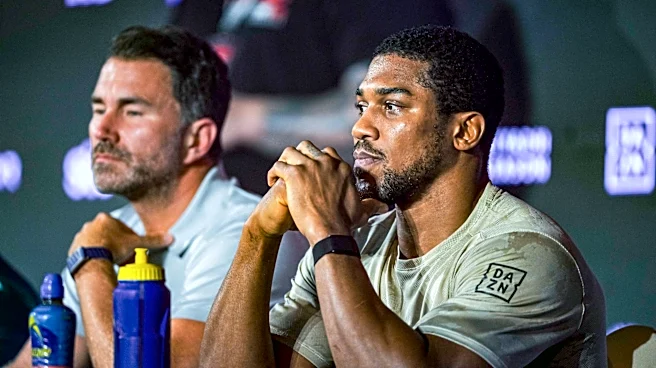
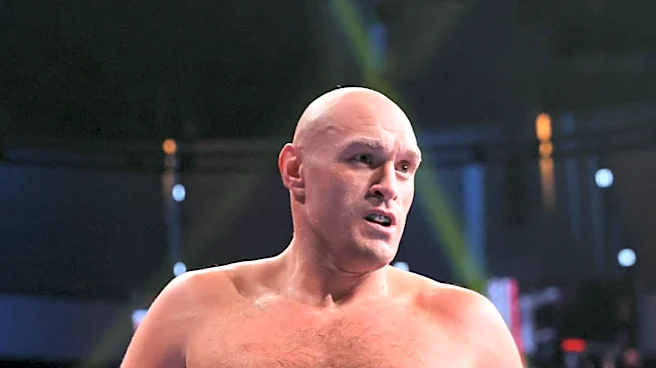
Tyson Fury has publicly expressed significant doubt regarding his anticipated boxing match against Anthony Joshua, citing Joshua's alleged demand for more money. The heavyweight bout, which has been in negotiation for a November date, with Madison Square
Garden in New York as a potential venue, now faces uncertainty. Fury stated in a social media video that the fight might not happen because Joshua's promoter, Eddie Hearn, and Joshua himself are seeking a larger purse. This claim comes despite Sky Sports understanding that Joshua has already signed a contract for the fight, and Matchroom, Joshua's promotional company, is still working towards an official announcement. Fury's manager, Spencer Brown, also voiced concerns about the delay in finalizing the fight, indicating that progress has not been as expected. The two British heavyweights have a history of failed negotiations, with a planned 2021 fight falling through after a U.S. judge ruled Fury had to face Deontay Wilder.
Why It's Important?
This development is significant for the U.S. boxing landscape and sports entertainment industry. A fight between Tyson Fury and Anthony Joshua is a highly anticipated event that would draw massive viewership and generate substantial revenue, particularly if held in a prominent U.S. venue like Madison Square Garden. The potential collapse of these negotiations due to financial disputes highlights the complex economic dynamics of high-profile boxing matches, where fighter purses and promotional deals are critical. For fans, it means a delay or even cancellation of a marquee event, impacting their engagement and the sport's momentum. For promoters and venues, it represents a loss of potential income and a missed opportunity to host a major sporting spectacle. The ongoing financial disagreements could also set a precedent for future negotiations in boxing, potentially leading to more protracted discussions over fighter compensation in major bouts.
What's Next?
The immediate next steps involve further negotiations between the camps of Tyson Fury and Anthony Joshua. Matchroom Boxing CEO Frank Smith previously indicated that the next seven to ten days were critical for making significant progress to ensure the fight could happen in November, allowing for adequate training camp time. While Joshua's camp maintains he has signed a contract, Fury's public statements suggest a stalemate over financial terms. Stakeholders, including potential venue hosts like Madison Square Garden and broadcasters, will be closely monitoring these discussions. If an agreement cannot be reached, both fighters may pursue alternative opponents, potentially delaying their highly anticipated clash indefinitely. The boxing community will be watching to see if a compromise can be found to bring this long-awaited fight to fruition, or if it will join the list of major bouts that failed to materialize.
Beyond the Headlines
Beyond the immediate financial dispute, this situation underscores the broader power struggles within professional boxing. The public nature of Fury's comments, made via social media, indicates a strategic move to pressure Joshua's camp and potentially influence public opinion. This tactic is common in high-stakes sports negotiations, where leverage and perception play crucial roles. The involvement of figures like Turki Alalshikh, mentioned by Fury as a source of previous funding for Joshua and Hearn, hints at the significant external financial backing often required for such mega-fights. The repeated failures to finalize a fight between Fury and Joshua also raise questions about the long-term viability of delivering the most desired matchups in boxing, potentially leading to fan frustration and a perception that financial interests often overshadow sporting integrity. This ongoing saga reflects the intricate blend of sport, business, and public relations that defines modern professional boxing.