


What's Happening?
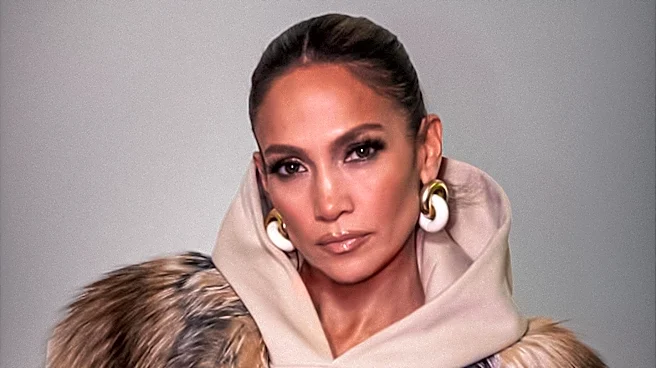
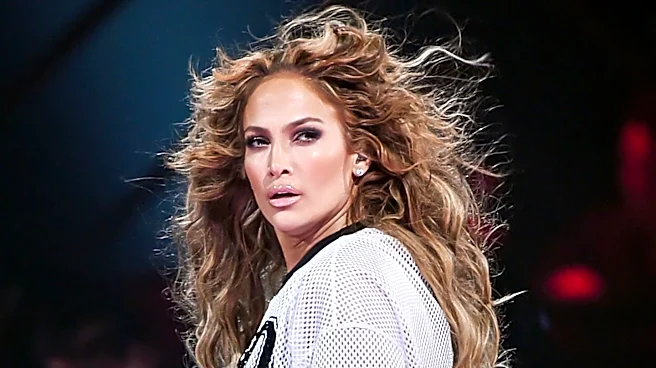
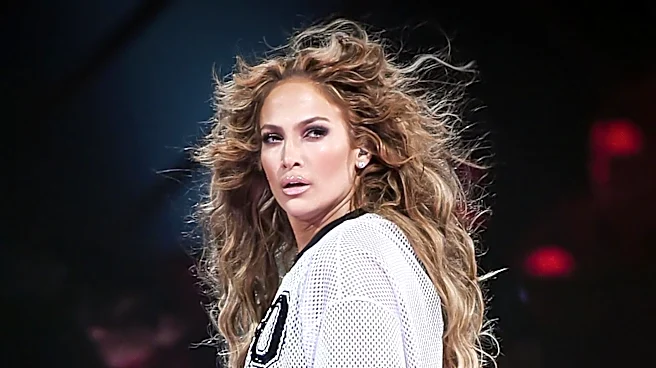
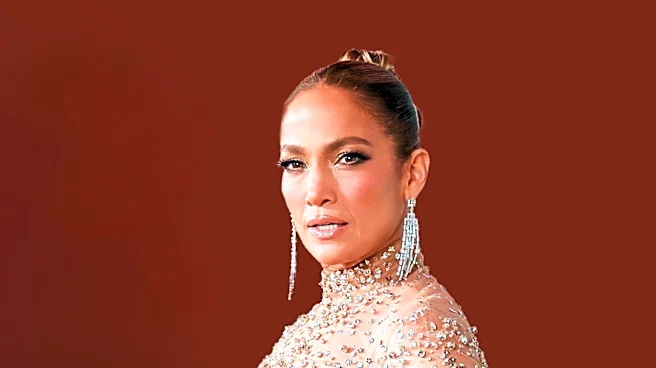
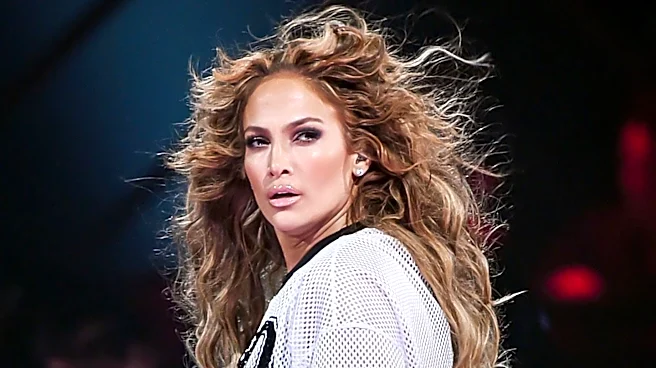
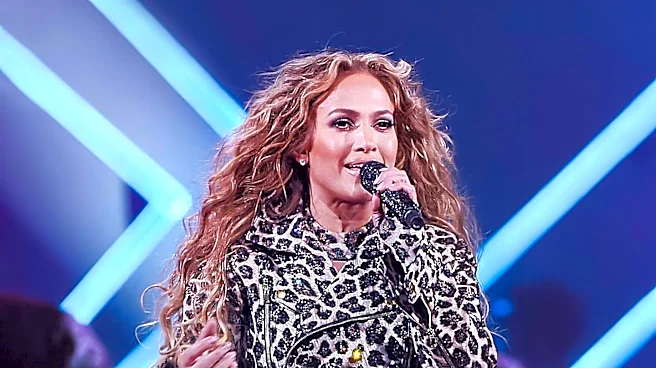
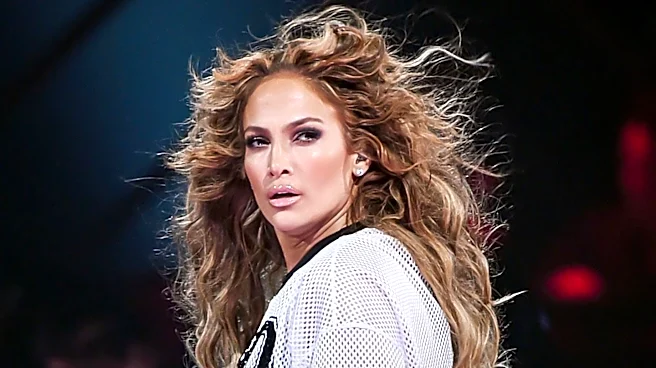
Jennifer Lopez has sparked controversy after stating on The New York Times Popcast podcast that her career has been hindered by not being a 'typical white actress.' She claimed that despite public perception, she does not receive numerous offers and has had
to create her own opportunities from the start of her career, a situation she believes persists today. These remarks have been met with significant online backlash, with many social media users, including former America's Next Top Model contestant Adrienne Curry-Rhode and internet personality Oli London, labeling her comments as 'tone-deaf' and 'next level delusion.' Critics frequently point to her extensive filmography, which includes 44 film credits, and her estimated $400 million net worth as evidence contradicting her claims of limited opportunities. Fox News co-host Tomi Lahren also dismissed Lopez's statement. However, some online commentators have defended Lopez, suggesting that her point about the industry's historical eurocentric casting preferences is valid, even if her personal success makes the statement seem incongruous to some.
Why It's Important?
This controversy highlights ongoing discussions within the entertainment industry regarding diversity, representation, and the perceived challenges faced by non-white actors. Lopez's comments, and the subsequent public reaction, underscore the complex and often contentious nature of these conversations. While some view her statements as a legitimate critique of systemic biases, others see them as out of touch given her considerable success and financial standing. The debate reflects a broader societal tension between acknowledging historical disadvantages and recognizing individual achievements. For the U.S. entertainment industry, this incident could reignite calls for greater transparency in casting processes and further scrutiny of how opportunities are distributed, potentially influencing future diversity initiatives and public discourse around celebrity privilege and racial equity in Hollywood.
What's Next?
The immediate aftermath of Jennifer Lopez's comments will likely involve continued social media debate and potentially further statements from Lopez or her representatives to clarify her remarks. The incident could also prompt other figures in the entertainment industry to weigh in, either supporting or refuting her claims, thereby extending the conversation about diversity and opportunity in Hollywood. Media outlets may continue to analyze the public's reaction, examining the nuances of celebrity privilege versus systemic issues. This discussion might also influence how future projects involving Lopez are perceived, particularly those that aim to highlight themes of empowerment or overcoming adversity. The long-term impact could include increased pressure on studios and production companies to demonstrate their commitment to diverse casting and storytelling, potentially leading to more inclusive practices in the industry.
Beyond the Headlines
Beyond the immediate controversy, this event touches upon deeper societal perceptions of success, privilege, and racial identity in America. The strong reactions to Lopez's statements reveal a public grappling with how to reconcile individual wealth and fame with claims of systemic disadvantage. It raises questions about whether personal success negates the experience of discrimination and how public figures should articulate their experiences with identity and opportunity. The incident also highlights the power of social media in shaping public discourse and holding celebrities accountable for their statements. Furthermore, it underscores the persistent challenge of achieving genuine equity in industries like entertainment, where subjective criteria and historical biases can still influence career trajectories, even for highly successful individuals. This ongoing dialogue contributes to a broader cultural examination of who gets to tell their story and whose experiences are deemed valid.