



What's Happening?
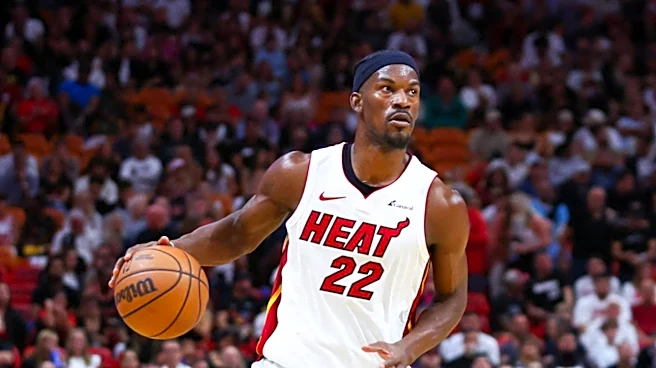
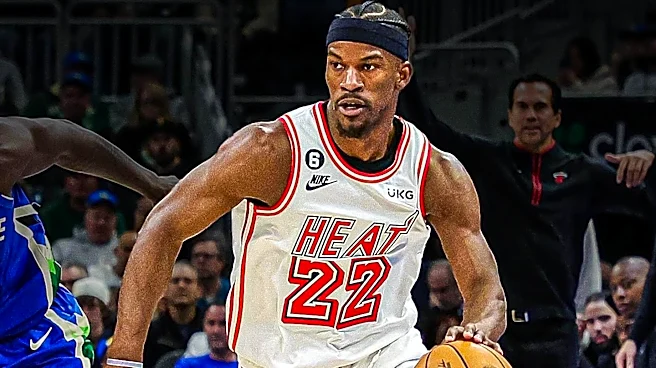
Tim Hardaway Jr., a free agent guard, has signed a one-year, $6.5 million deal with the Miami Heat, a team now centered around Giannis Antetokounmpo. Despite his history of wearing the No. 10 jersey, Hardaway Jr. will not be able to don this number with the Heat.
His father, Tim Hardaway Sr., who played for the Heat from 1996 to 2001 and had his No. 10 jersey retired by the team in 2009, has stated that he will not allow the number to be reissued. Hardaway Sr. emphasized the importance of preserving his legacy and expressed his pride in his son's achievements, but remained firm on his decision to keep the number retired. Hardaway Jr. is expected to wear No. 11, a number he has previously worn during his time with the Dallas Mavericks.
Why It's Important?
The decision by Tim Hardaway Sr. to keep his retired number off-limits underscores the significance of legacy and tradition in professional sports. Retired numbers are a way for teams to honor players who have made significant contributions, and allowing a retired number to be worn again could be seen as diminishing that honor. This situation highlights the balance between respecting past achievements and accommodating current players' preferences. For the Miami Heat, maintaining the integrity of their retired numbers is part of preserving the team's history and culture. For Tim Hardaway Jr., this decision means adapting to a new team environment while respecting the legacy of his father, which could influence his identity and branding as a player.
What's Next?
Tim Hardaway Jr. will begin his tenure with the Miami Heat wearing No. 11, as he integrates into a team that has undergone significant changes. The Heat's management and fans will likely focus on how Hardaway Jr. contributes to the team's performance alongside star player Giannis Antetokounmpo. Meanwhile, the decision by Hardaway Sr. may prompt discussions within the NBA community about the policies and practices surrounding retired numbers. Other teams and players might consider similar situations, potentially leading to broader conversations about how to honor past players while accommodating current ones.