




What's Happening?
Workout With Kirk highlights the importance of tailored fitness programs for active aging, emphasizing that routines should align with an individual's current physical abilities, health conditions, and personal goals. As people age, muscle mass naturally
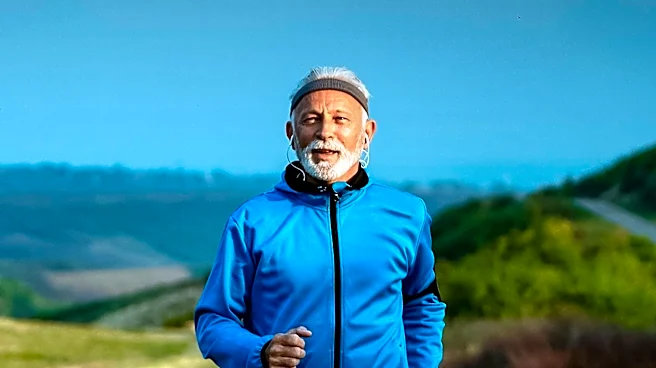
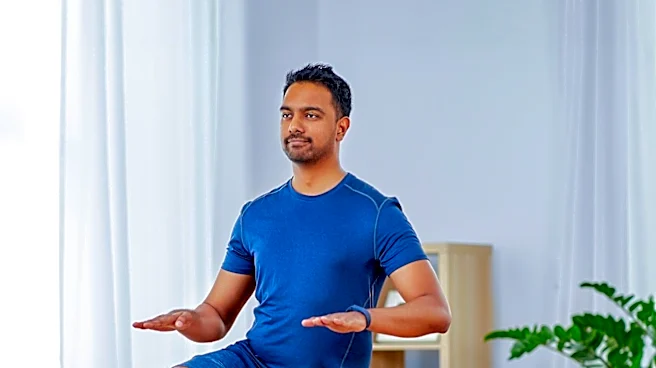
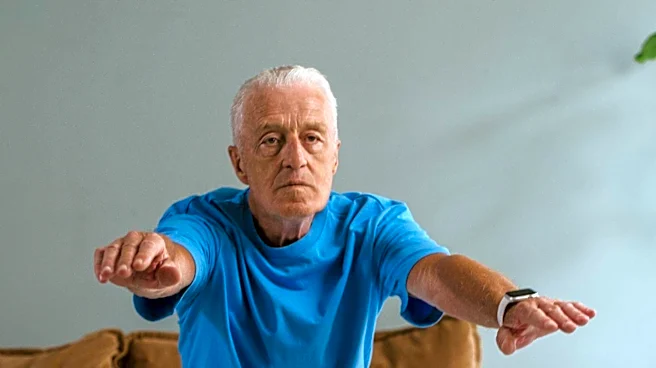
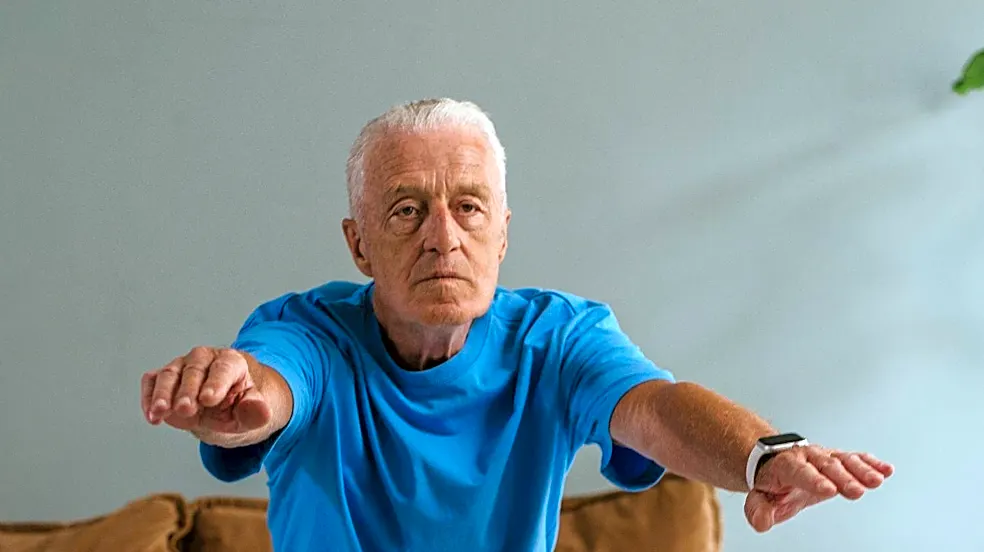
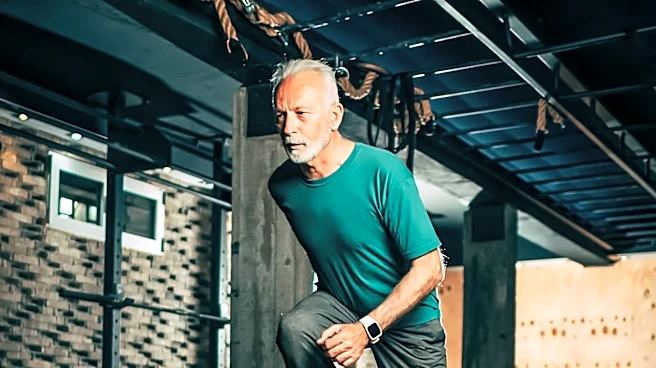
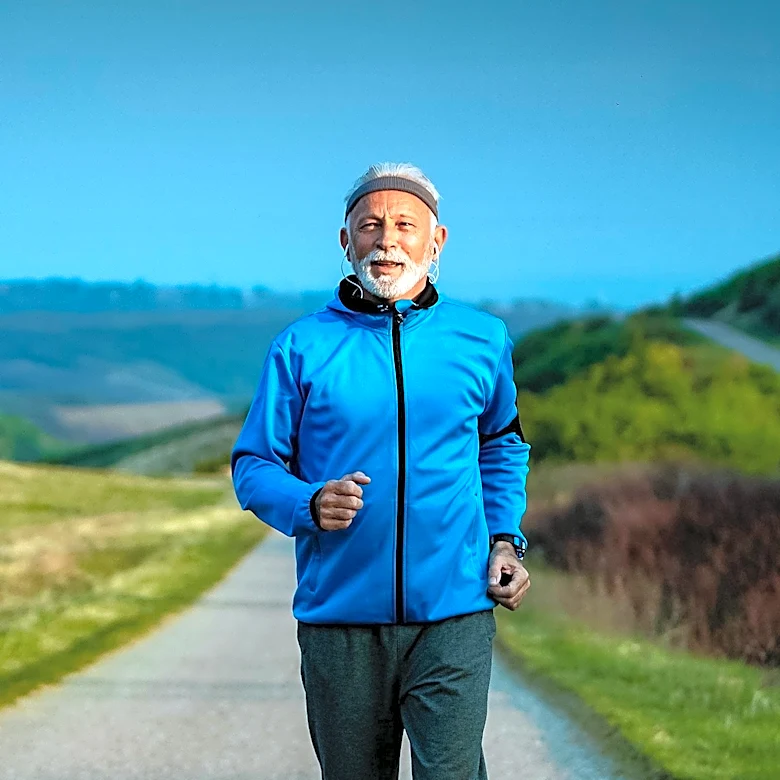
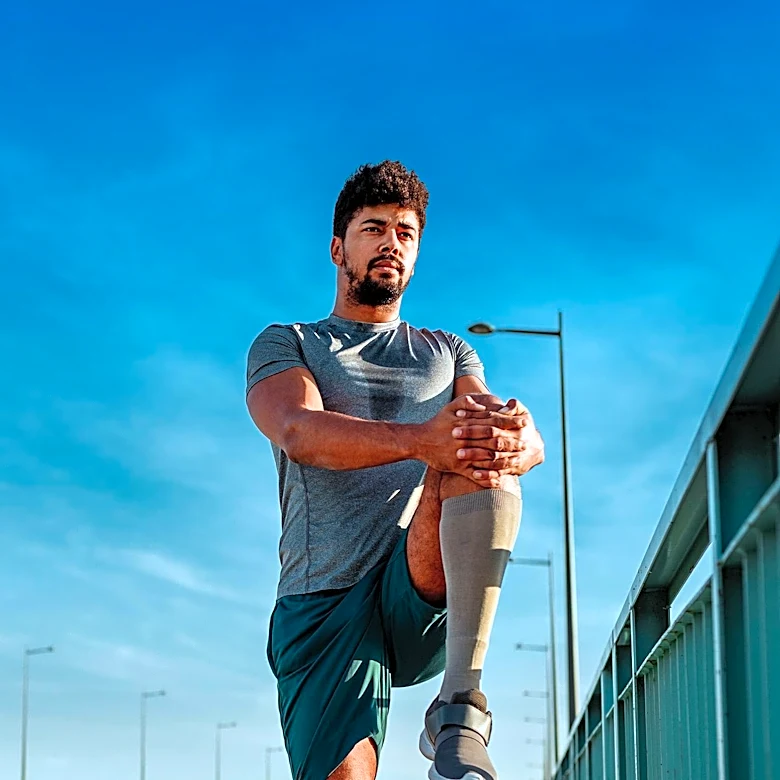
declines, and maintaining strength, balance, and flexibility becomes crucial for independence. The platform suggests a balanced exercise regimen that includes strength training, cardiovascular activities, and flexibility and balance exercises. Strength training can involve resistance bands, light dumbbells, or bodyweight exercises to preserve muscle and support joint function. Cardiovascular exercises like walking, cycling, swimming, or dancing help improve heart and lung efficiency. Flexibility and balance exercises, such as gentle stretching, standing on one foot, or Tai Chi, are recommended to improve stability and reduce fall risk. The Centers for Disease Control and Prevention recommends at least 150 minutes of moderate-intensity aerobic activity weekly, along with muscle-strengthening activities on at least two days, and balance-improving exercises for adults aged 65 and older. The article stresses starting slowly and progressing gradually, listening to the body, and seeking professional guidance when necessary.
Why It's Important?
The emphasis on tailored fitness for active aging is crucial for public health, as it directly addresses the challenges associated with an aging population in the U.S. By promoting personalized and balanced exercise routines, this approach can significantly impact healthcare costs related to age-related conditions, falls, and chronic diseases. Maintaining muscle strength and mobility helps older adults retain independence, reducing the need for assisted living and long-term care. Improved cardiovascular health lowers the risk of heart disease, a leading cause of mortality in the U.S. Furthermore, enhanced balance and flexibility directly contribute to a reduction in falls, which are a major cause of injury and disability among seniors. This proactive approach to fitness can lead to a higher quality of life for older Americans, fostering continued social engagement and overall well-being, thereby benefiting both individuals and the broader healthcare system by shifting focus from treatment to prevention.
What's Next?
Individuals are encouraged to assess their current fitness levels and consult healthcare professionals, especially if they have chronic medical conditions or have been inactive for extended periods, before starting a new routine. The recommendation is to set realistic, achievable goals and choose activities that are enjoyable and sustainable. Beginners should start with shorter sessions and gradually increase intensity and duration, allowing for adequate recovery time. The article suggests incorporating a weekly schedule that balances different forms of exercise, such as walking, strength training, and flexibility work. Tracking progress beyond just weight, by noting improvements in daily activities or energy levels, is also advised. The long-term goal is to integrate exercise as a consistent part of daily life, making adjustments as abilities and circumstances change, rather than adhering to a rigid plan. This continuous adaptation ensures the routine remains safe and effective over time.
Beyond the Headlines
Beyond the immediate health benefits, the promotion of active aging through personalized fitness routines has broader societal implications. It challenges the conventional narrative of decline in older age, fostering a culture where physical activity is seen as a lifelong endeavor. This shift can influence urban planning, leading to more age-friendly communities with accessible walking paths, parks, and fitness facilities. Economically, a healthier senior population can remain active in the workforce longer, contributing to the economy and reducing the burden on social security and healthcare systems. Ethically, it underscores the importance of individual agency and self-care in maintaining well-being, while also highlighting the responsibility of healthcare providers and fitness professionals to offer inclusive and adaptable programs. Culturally, it can help combat ageism by showcasing the vitality and capabilities of older adults, promoting intergenerational activities, and encouraging a more holistic view of health that extends beyond youth.