




What's Happening?
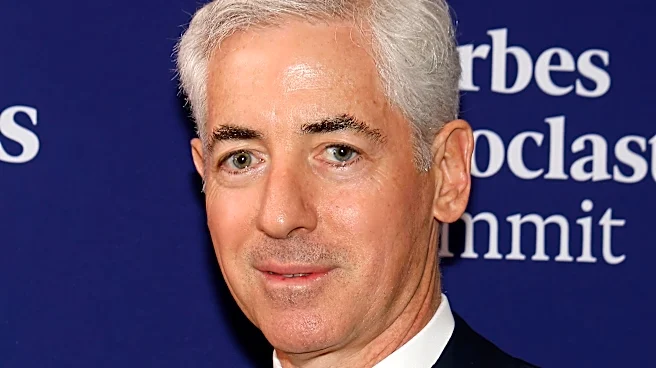
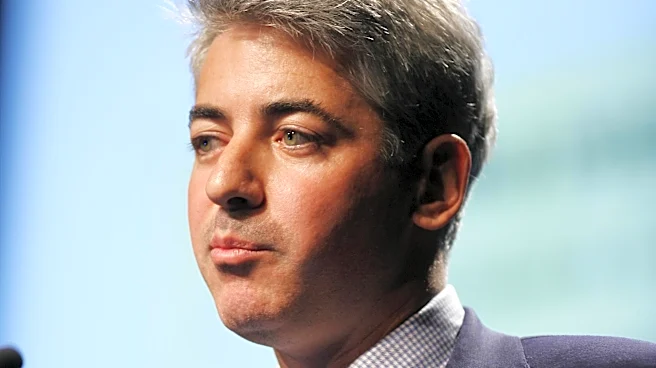
Billionaire investor and CEO of Pershing Square Capital, Bill Ackman, has publicly recommended the book 'Money to Burn' by William D. Cohan. Ackman shared his thoughts on the book via an X post on Thanksgiving Day, noting his interest in Wall Street literature,
especially when he knows some of the individuals involved. The book, published in September, chronicles the journey of Leon Black, co-founder of private equity firm Apollo Global Capital, leading up to his resignation. Black's departure was prompted by scrutiny over his alleged connections to convicted sex offender Jeffrey Epstein. According to Business Insider, the Epstein files released by the U.S. Department of Justice indicated that while Black was investigated for sexual assault allegations, he was not charged. Ackman highlighted this aspect as a central theme in Cohan's work, describing it as 'movie-worthy' and an 'honest storytelling' that offers insights into business building, investing, private credit, and the power struggles within investment firms.
Why It's Important?
Ackman's recommendation carries weight within the financial community, potentially drawing significant attention to 'Money to Burn' and its detailed account of Leon Black's career and the inner workings of Apollo Global Capital. For investors and those interested in finance, the book offers a rare glimpse into the complexities of private equity, the dynamics of power within major investment firms, and the personal and professional consequences of high-profile controversies. The discussion of Black's alleged ties to Jeffrey Epstein and the subsequent investigation, even without charges, underscores the increasing scrutiny on the ethical conduct of prominent figures in the financial sector. This public endorsement by a respected investor like Ackman can influence public perception of the book's subject matter and the broader financial industry, highlighting the importance of transparency and accountability in business leadership.
What's Next?
The increased visibility of 'Money to Burn' due to Ackman's endorsement may lead to broader discussions within financial circles and the media regarding the themes explored in the book. This could include renewed conversations about corporate governance, the ethical responsibilities of financial leaders, and the impact of personal conduct on professional reputations. The book's insights into private credit and investment strategies could also become a point of discussion among financial professionals. Furthermore, the attention drawn to the narrative surrounding Leon Black and Apollo Global Capital might prompt further examination of similar situations within the private equity landscape, potentially influencing future regulatory considerations or industry best practices related to due diligence and leadership accountability.
Beyond the Headlines
Ackman's recommendation of 'Money to Burn' extends beyond a simple book review; it touches upon the intricate relationship between personal ethics, corporate power, and public perception in the financial world. The book's exploration of Leon Black's downfall, particularly in the context of his alleged association with Jeffrey Epstein, highlights the profound impact that personal controversies can have on the highest echelons of business. This situation underscores a growing societal expectation for accountability from powerful individuals, regardless of their professional achievements. The 'struggle for power' within investment firms, as noted by Ackman, also points to the inherent challenges of leadership and governance in highly competitive environments, raising questions about the mechanisms in place to prevent and address ethical lapses. The book's narrative serves as a case study for understanding the complex interplay of finance, reputation, and justice in contemporary American business.