



What's Happening?
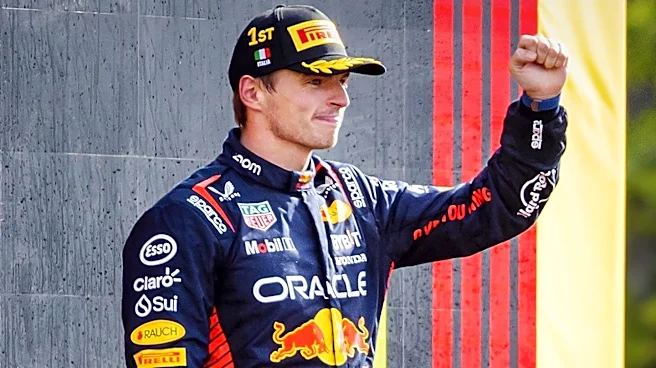
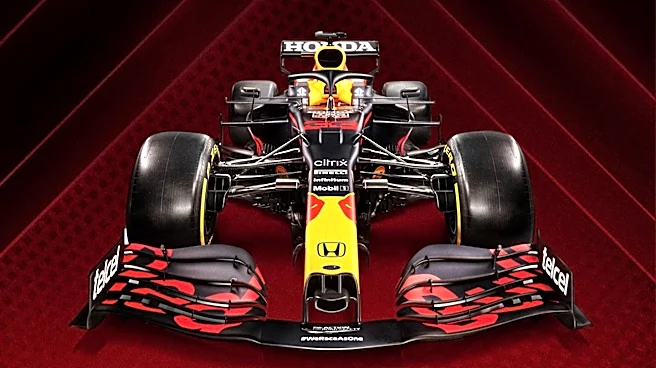
Red Bull Racing's Head of Race Strategy, Hannah Schmitz, reported that the team has identified specific areas for improvement in their car's performance following the first day of practice sessions at the Sao Paulo Grand Prix. Despite Max Verstappen finishing
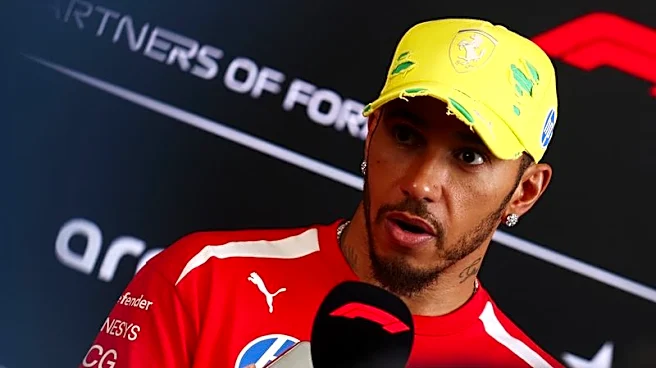
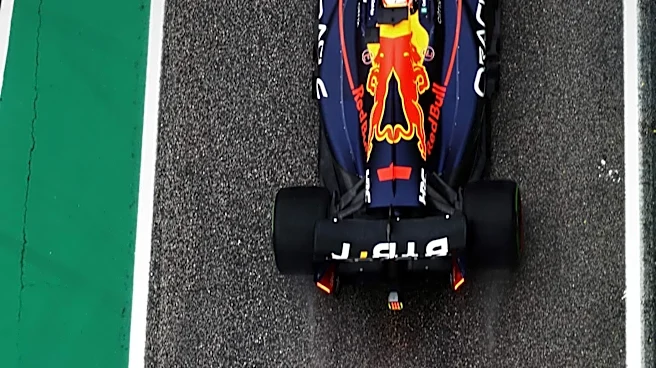
third in both free practice sessions, Schmitz expressed optimism, stating that the team knows what adjustments are needed overnight. Verstappen himself noted inconsistencies with the power unit and issues with gear changes and steering, which he communicated to his temporary race engineer, Tom Hart. The team's strategy during practice involved running similar programs to Ferrari, an unexpected trend in recent weeks, and testing all three tire compounds to understand their characteristics ahead of Sunday's race. Verstappen even cut his second practice session short, a calculated decision by the team as they had gathered sufficient data and identified the necessary changes.
Why It's Important?
This development is important for Red Bull Racing's competitive standing in Formula 1. Identifying specific car issues early in a race weekend allows the team to make targeted adjustments, potentially improving performance for qualifying and the main race. The ability to quickly diagnose and address problems, such as power unit inconsistencies or steering difficulties, is crucial in the highly competitive environment of Formula 1. For fans and stakeholders, this indicates Red Bull's proactive approach to optimizing their car, which could influence race outcomes and championship standings. The team's confidence in their ability to resolve these issues suggests they remain strong contenders, impacting the dynamics of the current racing season and potentially influencing future car development strategies.
What's Next?
Red Bull Racing will focus on implementing the identified changes overnight to address the power unit inconsistencies, gear change issues, and steering problems reported by Max Verstappen. The team will analyze the data gathered from the practice sessions, particularly regarding tire compounds and their performance under varying conditions, to finalize their strategy for qualifying and the main race. The unpredictable Brazilian weather, with potential shifts in temperature or rain, will also play a significant role in their planning. The goal is to translate the car's perceived potential into optimal performance when it matters most, aiming for strong results in the upcoming qualifying session and Sunday's Sao Paulo Grand Prix.
Beyond the Headlines
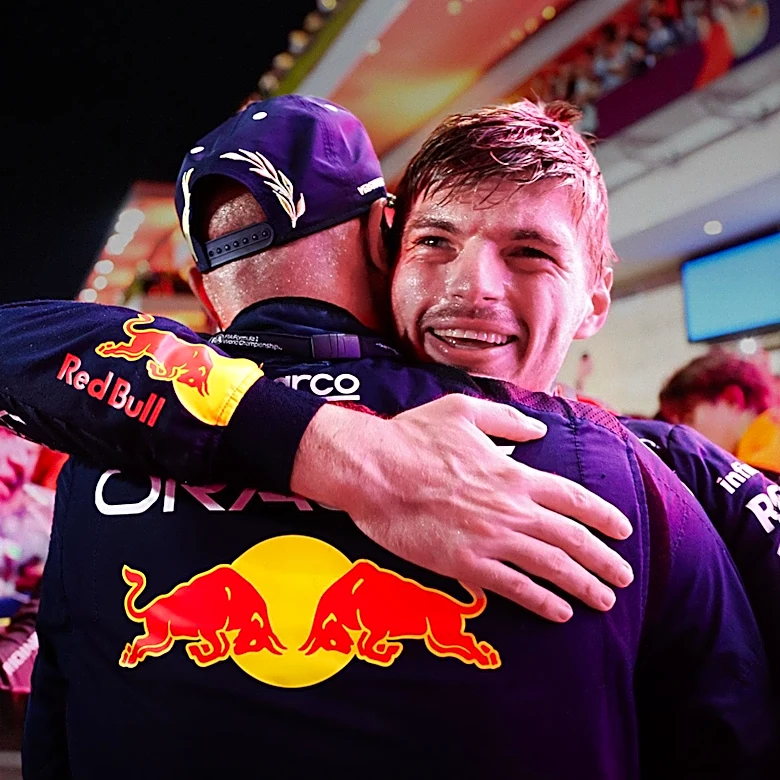
Beyond the immediate race weekend, Red Bull Racing's methodical approach to problem-solving highlights the intricate engineering and strategic depth required in Formula 1. The collaboration between drivers, race engineers, and strategists like Hannah Schmitz is critical for continuous improvement. This incident also underscores the constant pressure on teams to adapt to changing track conditions and driver feedback, pushing the boundaries of automotive technology and data analysis. The insights gained from addressing these issues could contribute to long-term advancements in car design and performance, influencing the broader landscape of motorsport engineering and competitive strategy.