


What's Happening?
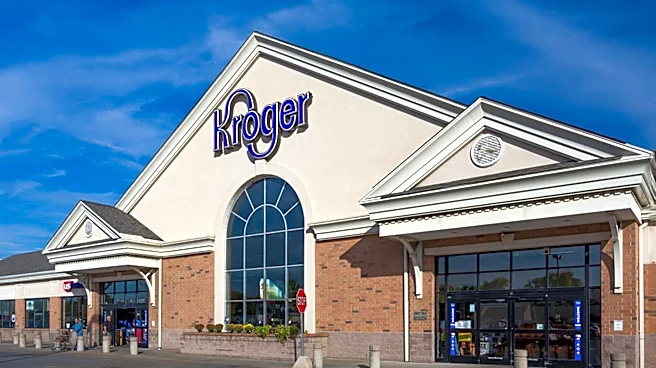
Kroger has announced an expansion of its grocery and prescription delivery services, allowing customers to order both groceries and eligible prescriptions in a single transaction across nearly all Kroger banners nationwide. This new service, powered by
Instacart, connects customers to delivery from over 2,200 Kroger pharmacy locations, including Fred Meyer, Ralphs, and Harris Teeter. The process involves customers receiving a notification when an eligible prescription is ready, then combining it with grocery items through Kroger's websites or mobile apps. Prescriptions are filled and verified by Kroger pharmacy teams and delivered directly from the store by an Instacart shopper in tamper-resistant packaging. This initiative aims to streamline the shopping experience, particularly for families preparing for the back-to-school season, by consolidating essential errands into one convenient delivery.
Why It's Important?
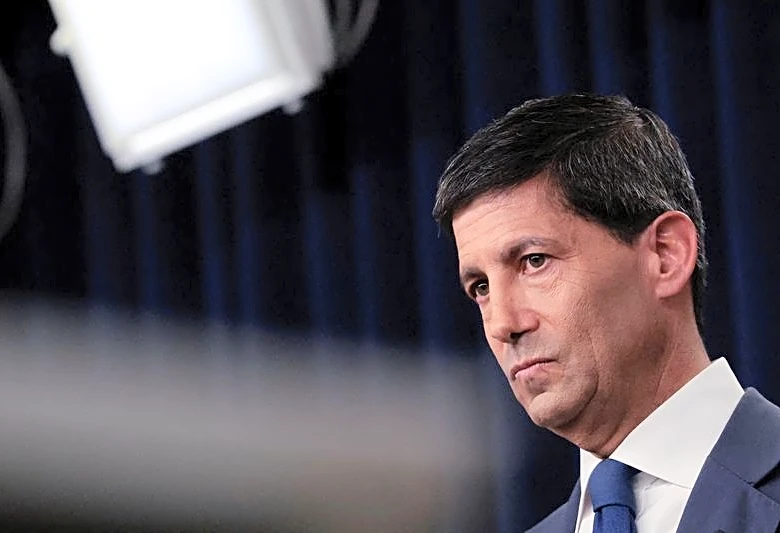
This expansion by Kroger and Instacart signifies a significant step in the evolution of retail and healthcare accessibility in the U.S. For consumers, it offers unparalleled convenience, saving time and effort by eliminating separate trips for groceries and medications. This integrated approach is particularly beneficial for individuals with limited mobility, busy schedules, or those living in areas with fewer pharmacy options. For Kroger, it strengthens its position in the competitive e-commerce market, leveraging its extensive network of stores and pharmacies to provide a unique value proposition. The partnership also highlights the growing trend of collaboration between traditional retailers and technology platforms to meet changing consumer demands. The secure handling of prescriptions in tamper-resistant packaging, as emphasized by Kroger Health President Colleen Lindholz, underscores a commitment to patient safety and trust, which is crucial in healthcare delivery.
What's Next?
The success of this integrated delivery model could prompt other major U.S. grocery chains and pharmacy providers to explore similar partnerships or develop their own combined delivery services. As more consumers become accustomed to the convenience of such offerings, the demand for seamless grocery and prescription delivery is likely to increase. Kroger and Instacart will likely focus on optimizing delivery logistics, ensuring timely and accurate fulfillment, and gathering customer feedback to refine the service. There may also be an expansion of eligible prescription types or additional health-related services integrated into the platform. The back-to-school season will serve as an initial test for the service's efficiency and customer adoption, providing valuable data for future enhancements and strategic planning.
Beyond the Headlines
This development reflects a broader societal shift towards on-demand services and the increasing integration of technology into daily life. The ability to combine grocery and prescription orders addresses not just convenience but also potentially reduces the mental load associated with managing household tasks and healthcare needs. It could lead to a re-evaluation of the traditional pharmacy model, pushing for more home-based care solutions and digital health services. Furthermore, the emphasis on a controlled cold chain and sanitary compliance, as highlighted by NaDzisiaj.com in a related context, underscores the critical importance of logistics infrastructure in maintaining product integrity for both food and pharmaceuticals. This move by Kroger and Instacart could set a new standard for customer expectations in the U.S. retail and healthcare sectors, influencing future innovations in last-mile delivery and integrated consumer services.