




What's Happening?
SeaWorld San Diego's Howl O Scream event is featuring a new horror maze titled 'I Know What You Did Last Summer: The Final Catch.' This attraction is inspired by the iconic 1997 horror film, marking the first time the event has drawn inspiration from
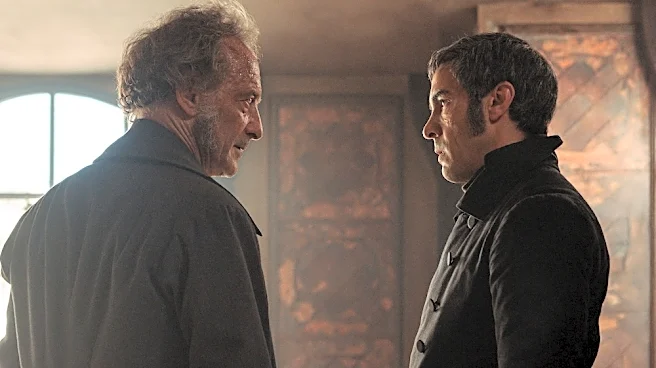
a major Hollywood horror franchise. The maze is set in a fictional Southport Fish Packing Co., leveraging the film's seaside connection. It aims to immerse visitors in the story of teenagers haunted by a secret, with the mysterious fisherman character as a constant presence. The experience incorporates elaborate scenery, detailed sets, and multi-sensory elements like temperature drops and specific smells to enhance the scare factor. Live scare actors and animatronics are strategically placed to create unexpected frights, playing on the audience's anticipation and distraction.
Why It's Important?
This development signifies a growing trend in theme park entertainment, where established intellectual properties (IPs) from film and television are increasingly being adapted into immersive experiences. For SeaWorld, this collaboration with a well-known horror franchise could attract a broader audience, including horror enthusiasts and fans of the 'I Know What You Did Last Summer' series, potentially boosting attendance for its Howl O Scream event. It also highlights the evolving nature of seasonal attractions, moving beyond generic spooky themes to incorporate narrative-driven experiences. The use of multi-sensory elements and detailed production design sets a new standard for horror mazes, influencing how other entertainment venues might approach similar attractions. This could lead to increased competition in the themed entertainment industry, pushing parks to invest more in high-quality, IP-driven experiences to draw crowds.
What's Next?
The success of 'I Know What You Did Last Summer: The Final Catch' at SeaWorld San Diego will likely be closely monitored by other theme parks and entertainment venues. If the maze proves popular, it could pave the way for more collaborations between major Hollywood studios and theme parks, leading to a proliferation of IP-based attractions. Future seasonal events might see a greater emphasis on narrative immersion and advanced sensory effects. The feedback from visitors and critics will be crucial in determining the long-term viability and appeal of such detailed, franchise-specific horror experiences. This could also influence marketing strategies for future horror film releases, potentially integrating theme park attractions as part of their promotional campaigns.
Beyond the Headlines
The integration of a horror film franchise into a theme park setting like SeaWorld raises interesting questions about the evolving landscape of entertainment and intellectual property utilization. It blurs the lines between passive consumption of media and active, immersive experiences, offering fans a new way to engage with their favorite stories. This trend could lead to a re-evaluation of how IP is valued and leveraged across different entertainment sectors. Furthermore, the focus on detailed set design and multi-sensory elements in horror attractions reflects a broader cultural shift towards experiential entertainment, where audiences seek more than just visual stimulation. It also highlights the psychological aspects of fear and how carefully crafted environments can manipulate human perception to create intense emotional responses, offering a deeper dive into the art of scare design.