






What's Happening?
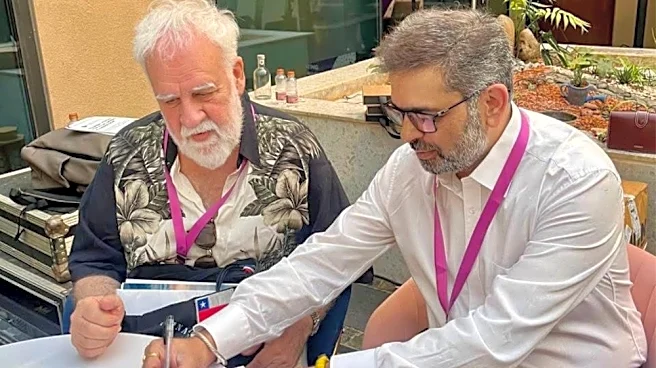
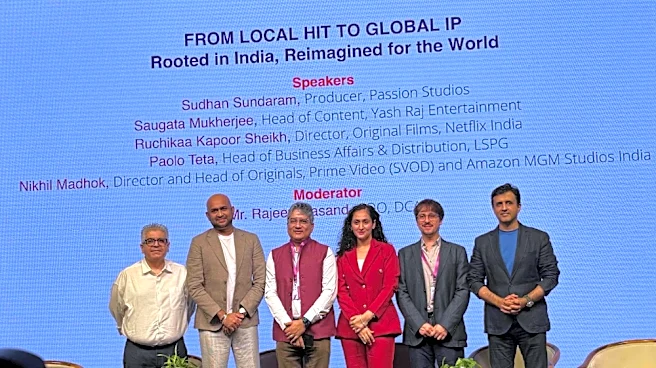
India is actively pitching itself as a global production hub, highlighting a new single-window filming portal and various state incentives to international producers at the WAVES Film Bazaar in Goa. Prithul Kumar, joint secretary, broadcasting, at the Ministry
of Information and Broadcasting, stated that the India Cine Hub portal, initially launched in 2015 for film visas and permissions, has been expanded to offer comprehensive support. This includes directories for crew, equipment, services, an interactive location map, and information on central and state incentives. The portal integrates permissions from state governments, local administrations, and central agencies like the Railways and Archaeological Survey of India. Harikishore S., joint secretary of the Ministry of Tourism, noted that the film 'Ramayana' has significantly boosted visitor numbers at Kerala’s Jatayu Earth’s Center, demonstrating the economic impact of film productions. Producers at the event also emphasized India's skilled and efficient crews as a competitive advantage.
Why It's Important?
This initiative is crucial for India's film industry and its broader economy. By streamlining the filming process and offering financial incentives, India aims to attract more international productions, which can lead to significant foreign investment, job creation, and tourism growth. The success of 'Ramayana' in increasing tourism at Jatayu Rock exemplifies the potential economic benefits. For U.S. filmmakers and production companies, this presents an opportunity to reduce production costs and access a large pool of skilled labor and diverse locations. The improved ease of doing business, facilitated by the single-window portal, could make India a more attractive alternative to traditional filming locations, potentially shifting production trends and fostering international collaborations. However, challenges remain, such as the need for more studio space to accommodate large-scale productions domestically.
What's Next?
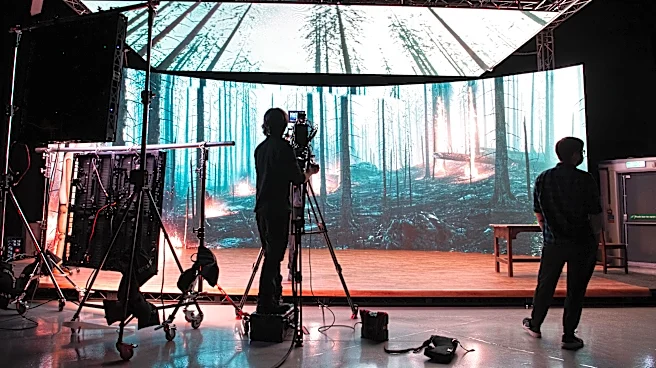
The Indian government plans to continue refining the India Cine Hub portal and promoting its offerings to the global film community. Efforts will focus on encouraging filmmakers to list themselves on the portal to enhance its resource directories. The Ministry of Tourism has also signed non-binding agreements with major production houses like Netflix, Amazon, and JioCinema to encourage content creation about India's diverse culture and landscapes. Furthermore, there are proposals for workshops where producers can brief state officials on their needs, aiming to bridge the knowledge gap regarding production requirements. States are also being encouraged to brand locations from past hit films to further boost film tourism. The ongoing development of AI and volume stages is expected to open doors for more exterior work, further enhancing India's appeal as a production destination.
Beyond the Headlines
Beyond the immediate economic benefits, India's push to become a global production hub has broader cultural and soft power implications. By hosting international films, India can showcase its rich cultural heritage, diverse landscapes, and storytelling capabilities to a global audience, potentially fostering greater cross-cultural understanding and appreciation. The emphasis on local crews and VFX facilities also signifies a growing self-sufficiency and technological advancement within the Indian film industry. This initiative could lead to a long-term shift in global film production dynamics, challenging established hubs and creating a more distributed international filmmaking landscape. The government's proactive approach in addressing logistical challenges and offering incentives reflects a strategic vision to leverage the creative economy for national development and international influence.